 November 2024 in “SKIN The Journal of Cutaneous Medicine”
 Ritlecitinib effectively promotes hair regrowth in severe and very severe alopecia areata.
2 citations
,
September 2024 in “Expert Opinion on Drug Metabolism & Toxicology” Ritlecitinib is an effective new treatment for Alopecia Areata.
 61 citations
,
April 2014 in “Radiation Research”
61 citations
,
April 2014 in “Radiation Research” RTA 408 cream protects mice from radiation skin damage.
November 2025 in “Journal of Investigative Dermatology” TEDAR is crucial for skin cell differentiation and barrier formation.
3 citations
,
March 2025 in “Journal of Clinical Medicine” Ritlecitinib effectively treats alopecia areata with manageable side effects.
1 citations
,
December 2019 in “World rabbit science” High doses of cobalt stopped hair growth in rabbits.
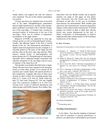 January 1999 in “Journal of the European Academy of Dermatology and Venereology”
 RAPK is a rare skin disorder with pigmented spots, mainly on hands and feet, starting in youth.
 October 2025 in “Dermatology and Therapy”
 Ritlecitinib is being tested for effectiveness and safety in treating severe alopecia areata.
 February 2026 in “Trials”
 The Exfoliate-Dissolve-Repair skincare approach may effectively treat keratosis pilaris and reduce the need for corticosteroids.
 34 citations
,
July 2011 in “International journal of pharmaceutics”
34 citations
,
July 2011 in “International journal of pharmaceutics” Ion-paired risedronate significantly increases skin penetration without irritation compared to risedronate alone.
December 2025 in “eTheses of Maulana Malik Ibrahim State Islamic University (Maulana Malik Ibrahim State Islamic University)” A traditional herbal mix from East Nusa Tenggara may help hair regrowth after chemotherapy.
 3 citations
,
October 1979 in “Laboratory animals”
3 citations
,
October 1979 in “Laboratory animals” Hairless rats are good for testing anti-inflammatory drugs, similar to haired rats, without needing to remove fur.
 November 2024 in “SKIN The Journal of Cutaneous Medicine”
 Ritlecitinib provides new treatment options for diverse alopecia areata patients.
227 citations
,
April 2023 in “The Lancet” Ritlecitinib effectively treats alopecia areata and is well-tolerated.
December 2025 in “Actas Dermo-Sifiliográficas” Ritlecitinib is effective and safe for treating severe alopecia areata in people aged 12 and older.
 127 citations
,
July 2002 in “EMBO journal”
127 citations
,
July 2002 in “EMBO journal” Normal skin cell renewal doesn't need RAR signaling, but vitamin A-related skin thickening does.
 May 2023 in “Research Square (Research Square)”
 The HDDPiW-jSB solution may prevent hair loss caused by docetaxel in rats when applied regularly.
January 2026 in “International Journal of Dermatology” Ritlecitinib helps hair regrowth and reduces emotional and functional burdens in alopecia areata.
September 2025 in “Value in Health” October 2025 in “International Journal of Molecular Sciences” Rebamipide may help regrow hair by activating hair follicle stem cells.
4 citations
,
September 2016 in “World Rabbit Science” High wool density in Rex rabbits is linked to specific gene activity affecting hair follicle development.
4 citations
,
March 2025 in “The Journal of Dermatology” Ritlecitinib is effective and safe for hair regrowth in Asian patients with alopecia areata.
5 citations
,
February 2025 in “Pediatric Dermatology” Ritlecitinib was generally well tolerated in children with alopecia areata.
20 citations
,
December 2021 in “Journal of the American Academy of Dermatology” Continuous treatment with ritlecitinib and brepocitinib is needed to maintain hair regrowth in alopecia areata.
 4 citations
,
April 2020 in “Dermatology practical & conceptual”
4 citations
,
April 2020 in “Dermatology practical & conceptual” Reflectance confocal microscopy is useful for diagnosing and monitoring skin diseases, but it has limitations and requires expertise for correct use.
32 citations
,
May 2018 in “The Plant Cell” ERULUS is crucial for root hair growth by controlling calcium levels.
 July 2020 in “bioRxiv (Cold Spring Harbor Laboratory)”
 The structure of SRD5A reveals how it reduces steroids, aiding drug design for related health conditions.
 July 2025 in “The Journal of Dermatology”
 Ritlecitinib has common side effects like headache and acne, and unexpected ones like diabetes and thyroid issues.
July 2025 in “Journal of Investigative Dermatology” Ritlecitinib reduces alopecia areata symptoms by blocking JAK3/TEC signaling and T-cell activity.
 November 2018 in “Annals of oncology”
 A scalp-cooling system effectively prevents hair loss in breast cancer patients treated with eribulin.