6 citations
,
September 2024 in “Plant Cell & Environment” Chitosan affects root hair growth and callose deposition based on its concentration.
6 citations
,
January 2024 in “Journal of Biotechnology and Biomedicine” Atopic dermatitis needs personalized treatment using various therapies, starting with topical corticosteroids.
 6 citations
,
February 2023 in “Biomaterials Research”
6 citations
,
February 2023 in “Biomaterials Research” Special gels help heal diabetic foot sores and reduce the risk of amputation or death.
5 citations
,
February 2025 in “Scientia Horticulturae” Enterobacter sp. SA187 helps tomato plants grow better in salt and heat by boosting stress-related responses.
5 citations
,
September 2023 in “Molecules” These methods help understand cell structures and reactions.
3 citations
,
January 2025 in “International Journal of Molecular Sciences” EGCG shows strong electron transfer interactions when bonded to DPPG lipids.
3 citations
,
August 2024 in “Cosmetics” A botanical extract blend improved skin and scalp health in women working outdoors.
2 citations
,
August 2023 in “Molecules” SH-340 may improve skin barrier and help treat atopic dermatitis.
1 citations
,
January 2023 in “International journal of molecular sciences” Rabbits with Sarcoptes scabiei had thicker skin, cell death, and skin hardening.
 April 2026 in “Antioxidants”
 Broccoli sprout extract may help treat breast cancer by reducing tumor growth and promoting cancer cell death.
April 2026 in “Journal of Cosmetic Dermatology” Exosomes from umbilical cord stem cells help protect hair color and health under stress.
 March 2026 in “Preprints.org”
 DRDE-07 shows promise for treating skin diseases due to its favorable properties.
November 2025 in “Bioactive Materials” The cryogel effectively heals infected wounds and promotes tissue regeneration without scarring.
November 2025 in “Biomedicines” Hypochlorous acid is a safe, effective antimicrobial with potential in various medical fields, but more research is needed to improve its stability and use.
August 2025 in “Nanomaterials” Tea polyphenol–zinc helps protect the liver and intestines from oxidative stress.

Sinapic acid and glabridin together help hair growth in androgenetic alopecia.
July 2025 in “Nano Research” Nanotechnology can improve tissue healing by controlling immune responses.
July 2025 in “Carbohydrate Polymers” The green alga Parachlorella sp. has potential for use in cosmetics and health products due to its antioxidant, anti-hypertensive, and hair growth properties.
 April 2025 in “Drug Design Development and Therapy”
 Jiawei Erzhiwan helps hair growth in androgenetic alopecia by affecting specific cell pathways.
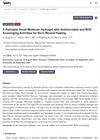
The new hydrogel helps heal burn wounds better than current options by reducing bacteria and inflammation.
8 citations
,
July 2025 in “Gels” Functionalized hydrogels can help heal tissues and fight infections by delivering beneficial bacteria and antimicrobials.
6 citations
,
May 2025 in “Cosmetics” Sunscreen technology is improving with new ingredients and methods to better protect skin from sun damage.
 1 citations
,
March 2023 in “Phytochemistry Reviews”
1 citations
,
March 2023 in “Phytochemistry Reviews” CBD may improve skin and hair health, but its effective use and safety need more research.
 May 2025 in “Antioxidants”
 Natural products show promise for treating diseases but need more research to understand and use them effectively.
49 citations
,
January 2017 in “Oxidative Medicine and Cellular Longevity” Eclipta alba extract may help fight cancer and has antioxidant benefits without being toxic.
24 citations
,
August 2021 in “Scientific Reports” Non-thermal plasma could help hair growth by activating key cell signals.
 57 citations
,
October 2021 in “Journal of ethnopharmacology”
57 citations
,
October 2021 in “Journal of ethnopharmacology” Indian herbal medicine shows promise for treating skin diseases but needs more research to prove effectiveness.
114 citations
,
August 2002 in “Journal of Investigative Dermatology” Alopecia areata is caused by an immune response, and targeting immune cells might help treat it.
107 citations
,
April 2014 in “The Plant cell” The CAP1 gene helps control ammonium levels and is necessary for the proper growth of root hairs in Arabidopsis.
88 citations
,
August 2014 in “PLOS genetics” Syndecan-1 is essential for maintaining skin fat and preventing cold stress.