82 citations
,
September 2020 in “Briefings in Bioinformatics” SARS-CoV-2 may worsen IPF due to shared genes and pathways, suggesting potential drug targets.
19 citations
,
April 2024 in “International Journal of Environmental Research and Public Health” Long COVID symptoms are linked to immune issues, poor blood flow, and lung problems.
 July 2024 in “Clinical Case Reports”
 ANA-negative lupus nephritis can be diagnosed and treated effectively with a comprehensive approach.
2 citations
,
February 2023 in “International journal of molecular sciences” Tetrathiomolybdate reduces hair growth marker in skin cells by boosting harmful oxygen molecules, but effects can be reversed.
Hair proteins in preschool children and their mothers could indicate developmental changes and health status.
 January 2017 in “Journal of Investigative Dermatology Symposium Proceedings”
 The 2015 Hair Research Congress concluded that stem cells, maraviroc, and simvastatin could potentially treat Alopecia Areata, topical minoxidil, finasteride, and steroids could treat Frontal Fibrosing Alopecia, and PTGDR2 antagonists could also treat alopecia. They also found that low-level light therapy could help with hair loss, a robotic device could assist in hair extraction, and nutrition could aid hair growth. They suggested that Alopecia Areata is an inflammatory disorder, not a single disease, indicating a need for personalized treatments.
May 2025 in “Indian Dermatology Online Journal” Trichoscopy is crucial for diagnosing rare genetic hair disorders.
9 citations
,
August 2024 in “Frontiers in Pharmacology” Natural products may be safer and effective alternatives for managing heart attacks.
9 citations
,
December 2021 in “Androgens” Androgens like testosterone may help treat traumatic brain injury by reducing mitochondrial stress and inflammation.
8 citations
,
July 2024 in “Cells” PGC-1α may improve aging skin by boosting mitochondrial function and reducing inflammation.
1 citations
,
November 2021 in “IntechOpen eBooks” Red light therapy may help prevent memory loss as we age.
January 2026 in “Aging and Disease” Targeting mitochondria can improve skin health and slow aging.
54 citations
,
March 2024 in “Journal of Medicinal Chemistry” N-oxides are important in medicine for improving drug properties and targeting.
53 citations
,
November 2021 in “Molecular Human Reproduction” N-acetylcysteine may help treat uterine and placental issues in PCOS.
138 citations
,
August 2020 in “Frontiers in Endocrinology” PCOS affects health and quality of life, with effective treatments available and a need for more research on alternative therapies.
90 citations
,
October 2023 in “Advanced Drug Delivery Reviews” Controlling inflammation can help heal diabetic foot ulcers.
24 citations
,
January 2022 in “Journal of Nanobiotechnology” Quaternary ammonium iminofullerenes help maize roots grow better under stress by reducing oxidative damage.
5 citations
,
January 2025 in “Burns & Trauma” PPAR activation can improve diabetic wound healing by enhancing blood vessel function.
5 citations
,
August 2021 in “Frontiers in Cell and Developmental Biology” DHEA boosts bone cell growth and differentiation in elderly stem cells.
3 citations
,
January 2025 in “Burns & Trauma” Glucose metabolism is crucial for wound healing but can delay healing in chronic wounds due to increased stress and inflammation.
 1 citations
,
July 2023 in “Frontiers in Immunology”
1 citations
,
July 2023 in “Frontiers in Immunology” Oxidative stress and immune dysfunction are linked to both Hashimoto's thyroiditis and polycystic ovary syndrome, with diet and specific treatments important for managing these conditions.

Apraglutide and N-acetylcysteine (NAC) show promise in reducing cytarabine's harmful effects on organs.
 February 2026 in “International Journal of Molecular Sciences”
 Combining hyperthermia with natural compounds and conventional treatments improves cancer therapy effectiveness and reduces side effects.
December 2025 in “Pharmaceutics” Personalized skin rejuvenation using genomics shows promise but needs more research.

Intermittent fasting slows hair growth by damaging hair follicle cells.
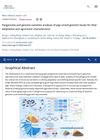
Pangenome analysis reveals key genes for pig adaptation and traits, aiding genetic improvement.
March 2024 in “Antioxidants” Excessive blue light harms eye cells and disrupts sleep patterns.
248 citations
,
August 2015 in “Pharmacological Research” Vaccines are generally safe, but rare autoimmune reactions can occur, often influenced by genetics.
30 citations
,
October 2020 in “Frontiers in Plant Science” Combined arsenic and low oxygen stress alters root growth to help plants absorb nutrients.
23 citations
,
July 2021 in “Life” Blue light can help treat skin conditions like eczema and acne without major side effects.