20 citations
,
November 2003 in “American Journal Of Pathology” Fibroblasts from healthy donors can prevent changes seen in recessive epidermolysis bullosa simplex.
 1 citations
,
January 2025 in “Frontiers in Oncology”
1 citations
,
January 2025 in “Frontiers in Oncology” REV7 is crucial for genome stability and cancer treatment, making it a potential target for therapy.
April 2012 in “Cancer Research” EGFR deficiency in skin causes hair follicle issues and inflammation.
 3 citations
,
May 2022 in “Oncogene”
3 citations
,
May 2022 in “Oncogene” Vav2 and Vav3 proteins help control skin stem cell numbers and activity in both healthy and cancerous cells.
April 2019 in “Journal of Investigative Dermatology” Y27632 increases cell growth through EGFR signaling, not ROCK1/2.
4 citations
,
October 2018 in “JAMA Dermatology” Ruxolitinib may help treat hair loss and symptoms in patients with chronic graft-versus-host disease.
 1 citations
,
March 2023 in “International journal of rheumatic diseases”
1 citations
,
March 2023 in “International journal of rheumatic diseases” Relatives of lupus patients show signs of immune system activity but not full-blown lupus.
 14 citations
,
September 2018 in “The journal of allergy and clinical immunology/Journal of allergy and clinical immunology/The journal of allergy and clinical immunology”
14 citations
,
September 2018 in “The journal of allergy and clinical immunology/Journal of allergy and clinical immunology/The journal of allergy and clinical immunology” A boy's growth and immune problems were caused by a new mutation in the STAT5B gene.
January 2003 in “Papyrus : Institutional Repository (Université de Montréal)” RNA-based treatments show promise for managing Hutchinson-Gilford Progeria Syndrome.
Lhx2 helps retinal cells respond to signals for eye development.
77 citations
,
April 2005 in “Journal of Investigative Dermatology” Repetin is a protein involved in skin and hair development, binding calcium and compensating for other proteins when needed.
39 citations
,
August 2017 in “Annual Review of Genetics” Understanding tissue regeneration in animals can improve regenerative medicine.
 39 citations
,
May 2014 in “Frontiers in Pharmacology”
39 citations
,
May 2014 in “Frontiers in Pharmacology” Special immune cells called Tregs can help prevent lung scarring by blocking a specific growth factor.
5 citations
,
July 2017 in “International journal of endocrinology and metabolism/International journal of endocrinology and metabolism.” Two siblings with a genetic mutation had a form of rickets that doesn't respond to vitamin D.
 11 citations
,
January 2012 in “Journal of cell science”
11 citations
,
January 2012 in “Journal of cell science” Rac1 is essential for proper hair structure and color.
August 2009 in “Mechanisms of Development” July 2024 in “Journal of Investigative Dermatology” A new test helps find drugs to treat head and neck cancer by targeting c-Rel.
1 citations
,
July 2019 in “Small ruminant research” Nerve growth factor helps cashmere goat hair cells grow by activating a specific protein.
 January 2026 in “SKIN The Journal of Cutaneous Medicine”
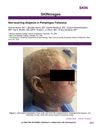
 Rituximab treatment led to complete hair regrowth and improved skin in a woman with pemphigus foliaceus.
 18 citations
,
August 2015 in “Biochemical and Biophysical Research Communications”
18 citations
,
August 2015 in “Biochemical and Biophysical Research Communications” XEDAR triggers a specific signaling pathway in cells.
50 citations
,
September 2009 in “Molecular Genetics and Metabolism” A new gene mutation causes vitamin D resistance and rickets, treatable with calcium therapy.
46 citations
,
March 2005 in “Endocrinology” Overexpression of the glucocorticoid receptor in mice causes developmental defects similar to ectodermal dysplasia.
 3 citations
,
February 2016 in “Pediatric dermatology”
3 citations
,
February 2016 in “Pediatric dermatology” Strong skin creams work well for long-term scalp inflammation in Rapp-Hodgkin Ectodermal Dysplasia.
March 2026 in “Journal of Investigative Dermatology” A new mutation in the TRPS1 gene caused Trichorhinophalangeal syndrome in a 17-year-old, highlighting the need for genetic testing.
29 citations
,
September 2018 in “Journal of the American Heart Association” EP 2 receptor is essential for heart repair by helping macrophages work properly.
 January 2006 in “Advances in developmental biology”
 The Hairless gene is crucial for healthy skin and hair growth.

γδ T cells help control tissue scarring and blood vessel growth in response to foreign objects.
6 citations
,
December 2023 in “Journal of Molecular Cell Biology” Removing Gsdma1/2/3 genes reduces skin cell overgrowth by blocking a specific cell pathway.