219 citations
,
July 1995 in “PubMed” Keratinocyte growth factor promotes hair growth and reduces hair loss from chemotherapy.
 4 citations
,
June 1998 in “The Journal of Clinical Endocrinology & Metabolism”
4 citations
,
June 1998 in “The Journal of Clinical Endocrinology & Metabolism” KGF and its receptor are found in enlarged prostate tissue and KGF strongly increases cell growth.
 11 citations
,
October 2018 in “Nucleic Acid Therapeutics”
11 citations
,
October 2018 in “Nucleic Acid Therapeutics” Modified KGF mRNA helps skin cells grow and move faster, which may improve wound healing.
rhKGF2 significantly promotes hair growth and follicle development.
 2 citations
,
May 2022 in “Research Square (Research Square)”
2 citations
,
May 2022 in “Research Square (Research Square)” KGF-1 135 is a stable and effective alternative for treating oral mucositis.
 August 2024 in “Advanced Healthcare Materials”
 RK81 can help promote hair growth.
 66 citations
,
April 1995 in “The journal of cell biology/The Journal of cell biology”
66 citations
,
April 1995 in “The journal of cell biology/The Journal of cell biology” A new protein was made to detect specific skin cell growth receptors and worked in normal skin but not in skin cancer cells.
 39 citations
,
March 2008 in “Growth hormone & IGF research”
39 citations
,
March 2008 in “Growth hormone & IGF research” Raspberry ketone may help grow hair and improve skin elasticity.
 24 citations
,
October 2012 in “Journal of Ginseng Research”
24 citations
,
October 2012 in “Journal of Ginseng Research” Korean Red Ginseng may help improve hair regrowth when used with corticosteroid injections for Alopecia Areata.
265 citations
,
March 1993 in “The EMBO Journal” Keratinocyte growth factor significantly alters skin and tissue development.
 24 citations
,
July 1994 in “Molecular Endocrinology”
24 citations
,
July 1994 in “Molecular Endocrinology” Researchers found an RNA transcript that might help control a growth factor linked to tumor development.
3 citations
,
November 2024 in “Egyptian Journal of Medical Human Genetics” SGK1 is important in cancer growth and treatment resistance, and targeting it could improve therapies.
 7 citations
,
June 2015 in “European Journal of Plastic Surgery”
7 citations
,
June 2015 in “European Journal of Plastic Surgery” PRGF treatment safely and effectively helps hair loss.
 October 2024 in “Annals of Dermatology”
 Korean Red Ginseng may help protect hair from damage and promote growth.
January 2026 in “Industrial Crops and Products” Ginsenoside Rf from Panax ginseng promotes hair growth and could be a natural alternative for treating hair loss.
 September 2025 in “Journal of Cosmetic Dermatology”
 Rb-bFGF improves hair transplant results and patient satisfaction with fewer complications.
7 citations
,
May 2022 in “Cancers” UC.145 may be a new biomarker for predicting gastric cancer.
 January 1999 in “Journal of the European Academy of Dermatology and Venereology”
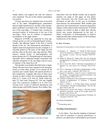
 RAPK is a rare skin disorder with pigmented spots, mainly on hands and feet, starting in youth.
 15 citations
,
June 2011 in “Journal of Ginseng Research”
15 citations
,
June 2011 in “Journal of Ginseng Research” Korean Red Ginseng may improve skin condition and reduce allergy markers in atopic dermatitis patients.
5 citations
,
May 2023 in “Microbial Cell Factories” A stable, active version of a growth factor was made in bacteria, showing promise for medical use.
Alpha-ketoglutaric acid may help treat aging and age-related diseases.
September 2017 in “Journal of Investigative Dermatology” LRIG1 protein affects hair growth by regulating skin receptors, leading to hair loss when overexpressed.
2 citations
,
October 2024 in “Indian Journal of Orthopaedics”  6 citations
,
July 2013 in “Experimental and Therapeutic Medicine”
6 citations
,
July 2013 in “Experimental and Therapeutic Medicine” Ginsenoside Rg1 protects mouse skin from UVB damage and helps control inflammation.
6 citations
,
September 2018 in “International Journal of Molecular Sciences” PRP derivatives are likely safe for therapeutic use without harmful effects.
October 2024 in “OBM Transplantation” PRGF can improve acne and scars.
1 citations
,
February 2024 in “Preprints.org” Ginsenoside compound K shows promise for treating metabolic diseases like obesity and diabetes, but more research is needed on its safety and effectiveness.
 3 citations
,
December 2019 in “Journal of Cosmetic and Laser Therapy”
3 citations
,
December 2019 in “Journal of Cosmetic and Laser Therapy” PRGF treatments increased hair number and thickness in people with hair loss, with more injections leading to better results.
August 2025 in “Animal nutrition” α-Ketoglutaric acid improves hair growth, rabbit performance, and antioxidant levels.
 April 2024 in “bioRxiv (Cold Spring Harbor Laboratory)”
 GRK2 is essential for healthy hair follicle function, and its absence can lead to hair loss and cysts.