 80 citations
,
April 2017 in “Frontiers in Pharmacology”
80 citations
,
April 2017 in “Frontiers in Pharmacology” PDRN helps repair tissue and improve wound healing with a high safety profile.
A new method allows for controlled, long-lasting delivery of retinoic acid through the skin with less inflammation.
January 2026 in “Dermatologic Therapy” Higher RBP4 levels are linked to severe alopecia areata, but genetic variant rs3758539 doesn't affect baricitinib response.
RXR and RAR proteins in skin may help with cell growth, hair growth, and gland function.
2 citations
,
November 2004 in “Blood” RXRa is crucial for Th2 immune cell development and may link nutrition to immune health.
3 citations
,
July 2025 in “Clinical and Experimental Dermatology” Ritlecitinib may be more effective for severe alopecia areata than conventional treatments.
 April 2026 in “Zenodo (CERN European Organization for Nuclear Research)”
 The model improves understanding of androgen interactions by focusing on signal intensity and system capacity.
11 citations
,
March 2006 in “Journal of medical ethics” PRP injections may be an effective treatment for severe hair loss.
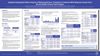 July 2025 in “SKIN The Journal of Cutaneous Medicine”
 Ritlecitinib is generally safe for alopecia areata patients over 72 months.
March 2025 in “Journal of Investigative Dermatology”  July 2018 in “International Journal of Research in Medical Sciences”
 Platelet rich plasma was slightly more effective than no treatment for hair loss in alopecia areata patients.
 11 citations
,
March 2021 in “Dermatology and therapy”
11 citations
,
March 2021 in “Dermatology and therapy” Researchers created a new tool to measure the effects of alopecia areata from the patient's view, focusing on hair loss, daily life, and emotional health.
 22 citations
,
November 2021 in “Dermatology and Therapy”
22 citations
,
November 2021 in “Dermatology and Therapy” The AAPPO questionnaire is a reliable tool for assessing hair loss impact in alopecia areata patients.
3 citations
,
June 2025 in “Gyemyeong uidae haksulji” PDRN is effective and safe for healing wounds and skin issues.
14 citations
,
July 2021 in “Bioinformatics” rPanglaoDB helps study rare cell types by merging RNA data, showing fibrocytes aid in healing.
 April 2023 in “The journal of investigative dermatology/Journal of investigative dermatology”
 Ritlecitinib significantly improves scalp hair regrowth in alopecia areata patients over time.
 June 2026 in “Archives of Dermatological Research”
 The rs4541843 variant is linked to higher risk and severity of alopecia areata.
 9 citations
,
September 2014 in “Cancer Epidemiology, Biomarkers & Prevention”
9 citations
,
September 2014 in “Cancer Epidemiology, Biomarkers & Prevention” Certain genetic variants in the androgen receptor are linked to higher PSA levels, potentially affecting prostate cancer screening outcomes.
3 citations
,
October 2022 in “Journal of Cosmetic Dermatology” CAR is a useful marker for assessing alopecia areata severity.
 1 citations
,
July 2025 in “SKIN The Journal of Cutaneous Medicine”
1 citations
,
July 2025 in “SKIN The Journal of Cutaneous Medicine” Ritlecitinib is effective and safe for long-term treatment of alopecia areata.
 April 2026 in “Zenodo (CERN European Organization for Nuclear Research)”
 The model improves understanding of androgen interactions by focusing on signal intensity and system capacity.
June 2026 in “British Journal of Dermatology” Ritlecitinib is effective and safe for treating alopecia areata, especially in newer cases.
3 citations
,
November 2023 in “Journal of Investigative Dermatology” Over 45% of patients with alopecia areata benefit from ritlecitinib, mostly within a year.
September 2025 in “British Journal of Hospital Medicine” Higher levels of certain plasma protein ratios may increase the risk of alopecia areata.
April 2017 in “Al-Azhar Medical Journal” PRP is an effective and safe treatment for alopecia areata.
3 citations
,
April 2023 in “Dermatologica Sinica” PRP treatment may help with alopecia areata, especially in newer cases.
 1 citations
,
January 1970
1 citations
,
January 1970 Precise objectives can improve student achievement in health education.
 January 2024 in “American journal of clinical dermatology”
 Ritlecitinib is safe and well-tolerated for treating alopecia areata in patients aged 12 and older.
March 2021 in “Medico-Legal Update” The androgen receptor gene doesn't affect women with recurrent spontaneous abortions, but having a mutant genotype might protect against it.
 4 citations
,
October 2024 in “American Journal of Clinical Dermatology”
4 citations
,
October 2024 in “American Journal of Clinical Dermatology” Ritlecitinib improved hair regrowth and emotional well-being in some alopecia areata patients.