32 citations
,
May 2018 in “The Plant Cell” ERULUS is crucial for root hair growth by controlling calcium levels.
March 2026 in “SKIN The Journal of Cutaneous Medicine” Ritlecitinib is being tested for safety and effectiveness in young children with severe alopecia areata.
88 citations
,
August 1998 in “Carcinogenesis” High levels of ODC and a mutant Ha-ras gene cause tumors in mice.
 March 2026 in “American Journal of Clinical Dermatology”
 Ritlecitinib is effective and safe for long-term use in treating severe alopecia areata in people aged 12 and older.
1 citations
,
September 2023 in “Frontiers in Genetics” A heterozygous mutation in HTRA1 can cause severe CARASIL symptoms.
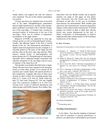 January 1999 in “Journal of the European Academy of Dermatology and Venereology”
 RAPK is a rare skin disorder with pigmented spots, mainly on hands and feet, starting in youth.
 February 2025 in “International Journal of Molecular Sciences”
 RORA plays a key role in controlling seasonal hair molting by affecting hair follicle cell activity.
 December 2022 in “Research Square (Research Square)”
 The QuantAnts machines can find cancer markers and create CRISPR targets for them.
 January 2024 in “American journal of clinical dermatology”
 Ritlecitinib is safe and well-tolerated for treating alopecia areata in patients aged 12 and older.
 January 2025 in “Turkish Journal of Cerebrovascular Diseases”
 CARASIL can cause different symptoms even with the same genetic mutation.
 April 2023 in “The journal of investigative dermatology/Journal of investigative dermatology”
 Ritlecitinib significantly improves scalp hair regrowth in alopecia areata patients over time.
RXR and RAR proteins in skin may help with cell growth, hair growth, and gland function.
7 citations
,
October 2024 in “Journal of the American Academy of Dermatology” Continued ritlecitinib treatment helps sustain hair regrowth in alopecia areata patients.
109 citations
,
February 2018 in “CB/Current biology” ERULUS controls root hair growth by regulating cell wall composition and pectin activity.
 October 2024 in “International Journal of Molecular Sciences”
 Rosa rugosa extract promotes hair growth and could be a natural treatment for hair loss.
June 2026 in “British Journal of Dermatology” Ritlecitinib is effective and safe for treating alopecia areata, especially in newer cases.
January 2026 in “Regenerative Biomaterials” Advanced hydrogels can autonomously deliver drugs to treat radiation skin injuries, but challenges remain for clinical use.
91 citations
,
August 2019 in “Frontiers in Microbiology” RpoS helps Borrelia burgdorferi survive in hosts and adapt to different environments.
75 citations
,
July 2016 in “New phytologist” The protein RSL4 is crucial for making root hairs longer by controlling genes related to cell growth.
June 2026 in “British Journal of Dermatology” Ritlecitinib shows promise in improving severe alopecia areata, with 27% of patients seeing success.
4 citations
,
November 2023 in “SKIN The Journal of Cutaneous Medicine” Ritlecitinib is safe for treating alopecia areata for up to 48 weeks.
 March 2010 in “Ejc Supplements”
 ROR-alpha may increase the growth of certain breast cancer cells by boosting aromatase, which could affect breast cancer prognosis.
RNase L hinders hair follicle regeneration by altering immune signals.
 May 2026 in “Journal of the Egyptian Womenʼs Dermatologic Society”
 Microneedling radiofrequency improves skin texture and tone by stimulating collagen and elastin.
 March 2021 in “Research Square (Research Square)”
 Strontium ranelate helps cartilage growth by blocking a specific cell pathway.
 1 citations
,
November 2024 in “Cureus”
1 citations
,
November 2024 in “Cureus” Recognizing RSCC is crucial due to its aggressive nature and high risk of poor outcomes.
 56 citations
,
March 2015 in “Cell death and differentiation”
56 citations
,
March 2015 in “Cell death and differentiation” Older skin has higher cancer risk due to inflammation and stem cell issues.
15 citations
,
January 2025 in “Journal of the European Academy of Dermatology and Venereology” Ritlecitinib is effective and safe for treating alopecia areata, promoting significant hair regrowth.
August 2026 in “Journal of Drug Delivery Science and Technology”  May 2012 in “Journal of Clinical Oncology”
 Taking 5-alpha reductase inhibitors might be linked to breast cancer in men.