July 2026 in “Frontiers in Immunology” Epidermal resident memory T cells play a crucial role in skin immunity and disease understanding.
10 citations
,
February 2022 in “JEADV Clinical Practice” Dermoscopy helps diagnose and classify rosacea by revealing key features.
August 2025 in “Ciencia Latina Revista Científica Multidisciplinar” Rosemary shows potential for treating various health issues.
 47 citations
,
June 2019 in “Nature Communications”
47 citations
,
June 2019 in “Nature Communications” Noncoding dsRNA boosts hair growth by activating TLR3 and increasing retinoic acid.
 2 citations
,
April 2018 in “SLEEP”
2 citations
,
April 2018 in “SLEEP” People with rheumatoid arthritis have poorer sleep quality than healthy individuals.
 5 citations
,
July 2017 in “Skin appendage disorders”
5 citations
,
July 2017 in “Skin appendage disorders” A man got a rare rash from the drug topiramate, which went away after he stopped taking it.
21 citations
,
April 2016 in “International Journal of Oncology” GnRH treatment can reduce breast cancer cell invasion.

Dual TCR Treg cells are common in various mouse tissues and show diverse characteristics.
3 citations
,
March 2002 in “Linchuang pifuke zazhi” Most patients with dermatomyositis had skin rash, itching, and muscle weakness, treated mainly with prednisolone and hydroxychloroquine.
232 citations
,
January 2002 in “Mechanisms of development” Different enzymes are active in different parts of developing mouse organs.
 24 citations
,
December 2009 in “Future Medicinal Chemistry”
24 citations
,
December 2009 in “Future Medicinal Chemistry” Using computers to analyze drugs can find new uses for them, but actual experiments are needed to confirm these uses.
 March 2026 in “International Journal of Pharmaceutics and Drug Analysis”
 The polyherbal emulgel is a promising treatment for rheumatoid arthritis with effective and sustained results.
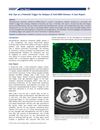 November 2025 in “Indian Journal of Nephrology”
 Hair dye may trigger anti-GBM disease relapse, and rituximab can help manage it.
41 citations
,
January 2022 in “Clinical Immunology” Females are more prone to lupus and arthritis due to X chromosome factors.
147 citations
,
October 2021 in “Cancer Communications” RC48 shows promise for treating certain advanced cancers, but more research is needed.
 1 citations
,
June 2003 in “Obstetrical & Gynecological Survey”
1 citations
,
June 2003 in “Obstetrical & Gynecological Survey” This new method makes checking for female infertility less painful, less invasive, and doesn't use radiation.
The new delivery system makes retinol and niacinamide more stable and effective for anti-aging and skin-brightening.
 February 2026 in “Pharmaceuticals”
 KRDQN effectively predicts adverse drug reactions with high accuracy and clear explanations.
1 citations
,
November 2016 in “Frontiers in neurology” Steroid treatment improved both gut and nerve symptoms in a man with Cronkhite–Canada syndrome.
 December 2025 in “Clinical & Experimental Dermatology and Therapies”
 Cosmerna ARI effectively reduces hair loss and increases hair density in Europeans with androgenetic alopecia.
2 citations
,
March 2025 in “PNAS Nexus” Raman spectroscopy can detect radiation exposure in mouse hair with high accuracy for up to 7 days.
September 2023 in “Journal of the American Academy of Dermatology” 23 citations
,
June 1992 in “PubMed” RAR-gamma 1 is important for normal skin maintenance and differentiation.
 February 2025 in “Journal of Clinical Investigation”
 RNase L hinders hair growth by altering immune signals.
April 2026 in “Journal of Cutaneous Pathology” Alopecia can be caused by multicentric reticulohistiocytosis.
66 citations
,
March 2016 in “Nucleic Acids Research” Musashi-2 limits epithelial cell movement and affects cell growth.
 2 citations
,
January 2006 in “Technical report”
2 citations
,
January 2006 in “Technical report” The document concludes that better tools are needed to measure skin disease severity in dermatomyositis and cutaneous lupus erythematosus, and introduces the DSSI and CLASI as reliable instruments.
 January 2026 in “Archives of Internal Medicine Research”
 PRP, exosomes, and physical therapies show promise for hair and tissue repair, but need more research for optimization.
April 2018 in “The journal of investigative dermatology/Journal of investigative dermatology” Esrp1 is important for skin health by helping form and maintain the skin barrier.
 December 2020 in “Innovation in aging”
 Rapamycin treatment helps reduce brain inflammation and symptoms of mitochondrial disease by blocking specific pathways in mice.