 12 citations
,
October 2012 in “International Braz J Urol”
12 citations
,
October 2012 in “International Braz J Urol” Finasteride effectively and safely treats recurrent priapism in children and adolescents with sickle cell disease.
 15 citations
,
November 2020 in “Pharmaceutics”
15 citations
,
November 2020 in “Pharmaceutics” Tofacitinib nanoparticles can safely and effectively treat alopecia areata by targeting hair follicles.
12 citations
,
December 2010 in “Journal of thoracic oncology” New treatments for non-small cell lung cancer are being tested, with some already in use, focusing on immune response and targeting cancer cells, but side effects vary.
 45 citations
,
January 2012 in “The Journal of Steroid Biochemistry and Molecular Biology”
45 citations
,
January 2012 in “The Journal of Steroid Biochemistry and Molecular Biology” Too much AKR1C3 enzyme causes resistance to finasteride by increasing testosterone.
 6 citations
,
October 1993 in “Endocrinology”
6 citations
,
October 1993 in “Endocrinology” Finasteride blocks progesterone production in specific tumor cells, potentially causing side effects.
January 2018 in “Haydarpaşa Numune Hastanesi tıp dergisi” Tamsulosin's sulfonamide group may contribute to floppy iris syndrome.
3 citations
,
October 2025 in “Cancer” PROTACs offer a new, precise way to treat cancer by breaking down harmful proteins.
May 2026 in “Bioorganic Chemistry”  September 2025 in “Arthritis Research & Therapy”
 BMS-470539 reduces skin fibrosis and inflammation.
2 citations
,
February 2025 in “Archives of Dermatological Research” Baricitinib is a safe and effective alternative for alopecia areata patients who do not respond to tofacitinib.
5 citations
,
May 2023 in “Clinical Rheumatology” Tofacitinib helped regrow hair in a lupus patient with alopecia.
 May 2025 in “Frontiers in Bioinformatics”
 Jamogenin from plants may help hair growth and is a potential alternative to finasteride.
Baricitinib helps keep hair, eyebrows, and eyelashes regrown for 3 years in most people with severe hair loss.
Combining baricitinib with golimumab helped regrow hair in a patient with ankylosing spondylitis and alopecia areata.
March 2014 in “The Journal of Urology” Finasteride increases CD8+ T cells in BPH tissues.
Tofacitinib significantly improved hair loss and lesions in a patient with overlapping autoimmune disorders.
JAK inhibitors effectively regrow hair in alopecia areata but hair loss often returns after stopping treatment.
 3 citations
,
March 2017 in “Regulatory toxicology and pharmacology”
3 citations
,
March 2017 in “Regulatory toxicology and pharmacology” Aleglitazar and its major metabolite are safe enough to proceed to Phase 3 clinical trials.
 July 2025 in “Journal of Cosmetic Dermatology”
 Alternative treatments are needed when Tofacitinib alone fails for alopecia areata.
12 citations
,
March 2004 in “Der Urologe” There is no strong evidence that chemopreventive agents effectively prevent prostate cancer.
April 2026 in “Case Reports in Dermatology” Tofacitinib effectively treated a woman's complex autoimmune and autoinflammatory disorders.
 April 2021 in “Anatolian current medical journal :”
 A patient developed hair loss after hepatitis C treatment with sofosbuvir and ribavirin.
 70 citations
,
April 2016 in “Experimental Dermatology”
70 citations
,
April 2016 in “Experimental Dermatology” A patient with alopecia areata regrew hair after taking tofacitinib and showed changes in certain blood and skin markers.
 13 citations
,
November 2021 in “Pediatric Dermatology”
13 citations
,
November 2021 in “Pediatric Dermatology” Tofacitinib taken by mouth helps treat hair loss in children.
35 citations
,
April 2009 in “Journal of Neuroscience Research” HDAC inhibitors help brain cells grow and improve brain function.
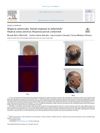 1 citations
,
July 2019 in “Medicina Clínica (English Edition)”
1 citations
,
July 2019 in “Medicina Clínica (English Edition)” Tofacitinib partially improved hair regrowth in a patient with severe hair loss.
 February 2023 in “Journal of Korean Medical Association”
 Targeted cancer therapies can cause new side effects, requiring careful monitoring and management to ensure patient safety.
 June 2026 in “Frontiers in Medicine”
 Spironolactone has the most side effects, including serious risks, while eplerenone and finerenone mainly affect the heart, kidneys, and metabolism.
 4 citations
,
September 2022 in “Journal of The American Academy of Dermatology”
4 citations
,
September 2022 in “Journal of The American Academy of Dermatology” Baricitinib was effective in regrowing hair in patients with different levels of alopecia areata severity.
May 2025 in “Immunotherapy” Patients were very satisfied with hair regrowth after taking ritlecitinib for alopecia areata.