A rapid screening method using trichoscopy and clinical data can improve diagnosis and treatment of tinea capitis.
5 citations
,
August 2002 in “Veterinary Dermatology” Combining terbinafine and mitotane effectively treated a schnauzer's skin infection and hormone disorder.
3 citations
,
January 2010 in “PubMed” Ivermectin, antibacterial drugs, and beta-glucan successfully treated a police dog's demodicosis.
January 2015 in “Lume (Universidade Federal do Rio Grande do Sul)” A young Teckel dog had severe skin issues due to mites, worsened by incorrect treatment, needing specific medications and prevention by not breeding affected dogs.
February 2025 in “Buletin Veteriner Udayana” Oral ivermectin effectively treated a cat's mite infections, improving its condition.
April 2021 in “Cermin Dunia Kedokteran” Two siblings with scalp fungus improved after 2 months of treatment.
10 citations
,
January 2014 in “International Journal of Trichology” Sarcoidosis can cause scarring hair loss on the scalp, which is rare.
 January 2020 in “International journal of medical parasitology and epidemiology sciences”
 The study concluded that itching and scaling on the face may be caused by a Demodex mite infection.
 July 2026 in “Buletin Veteriner Udayana”
 A 28-day treatment successfully cured a dog's skin infection, restoring its hair and skin health.
10 citations
,
March 2008 in “Journal of Zoo and Wildlife Medicine” A special clotrimazole varnish cured a siamang's persistent skin infection after 3 months.
 4 citations
,
January 2017 in “Ciência Rural”
4 citations
,
January 2017 in “Ciência Rural” A horse in Brazil with skin and gut issues was diagnosed with a severe disease and had to be euthanized.
 May 2020 in “International journal of current microbiology and applied sciences”
 A Pug with skin issues was successfully treated for mite and bacterial infections.
 76 citations
,
July 2006 in “Veterinary Dermatology”
76 citations
,
July 2006 in “Veterinary Dermatology” Imiquimod 5% cream reduced equine sarcoids in most cases.
The chapter concludes that certain skin diseases in bovines cause symmetrical, non-painful lesions and temporary hair loss due to stress.
8 citations
,
June 1934 in “Archives of Dermatology and Syphilology” Ringworm of the scalp can heal on its own, especially if caused by animal-related fungi.
18 citations
,
November 1989 in “Clinical and experimental dermatology” Griseofulvin is the best treatment for severe scalp infection caused by Microsporum canis.
 January 2024 in “Brazilian Journal of Veterinary Pathology”
 The horse had a rare disease causing weight loss and skin issues, leading to euthanasia due to poor treatment options.
 June 2025 in “Deleted Journal”
 Selamectin effectively cured the cats' infestation.
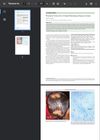
Scalp tinea versicolor can mimic alopecia areata but is treatable with antifungal medication.
5 citations
,
November 2010 in “Veterinary Record” The monkeys' skin infection was cured in eight weeks using oral terbinafine, topical washes, and disinfectant fogging.
1 citations
,
March 2017 in “Semina Ciências Agrárias” Hunting wild boar can cause fungal infections in dogs.
 June 2024 in “Infection and Drug Resistance”
 An adult woman with scalp infection recovered after antifungal treatment, with no return of symptoms.
 15 citations
,
March 2016 in “The American Journal of Dermatopathology”
15 citations
,
March 2016 in “The American Journal of Dermatopathology” Demodex mites rarely cause scalp infections leading to hair loss, but when they do, treatment is effective.
5 citations
,
March 2012 in “Veterinary dermatology” A cat developed a skin lesion from a topical solution, which healed with minoxidil treatment.
May 2020 in “The Journal of Pediatrics” Tinea capitis can be quickly diagnosed and treated using dermoscopy to prevent hair damage.
A red fox with skin lesions was cured of a fungal infection after treatment.
 22 citations
,
January 2009 in “Medical mycology”
22 citations
,
January 2009 in “Medical mycology” A family got a fungal infection from a boy who had contact with rabbits, but they all recovered with treatment.
2 citations
,
October 1931 in “Archives of Dermatology and Syphilology” A rare scalp infection in a child developed into a kerion with additional skin symptoms.
1 citations
,
May 2016 in “Journal of Veterinary Diagnostic Investigation” Exotic lice infest 45% of California mule deer, with younger and selenium-deficient deer more vulnerable.
 June 2026 in “International Journal of Advanced Biochemistry Research”
 A dog's severe skin condition improved with a combination of medications and care.