November 2025 in “Biomedicines” Hypochlorous acid is a safe, effective antimicrobial with potential in various medical fields, but more research is needed to improve its stability and use.
5 citations
,
April 2023 in “Drug Design Development and Therapy” Drug repositioning can save time and money but needs more support.
 2 citations
,
September 2021
2 citations
,
September 2021 The COVID-19 pandemic increased the use of teledermatology to treat skin conditions in low-income areas, despite challenges like poor photo quality.
 1 citations
,
July 2022 in “International Journal of Environmental Research and Public Health”
1 citations
,
July 2022 in “International Journal of Environmental Research and Public Health” In Poland, people search more for certain skin conditions depending on the season, and despite more STD infections, searches for them have decreased, suggesting a need for better sexual education.
73 citations
,
April 2006 in “BioTechniques” Protein microarrays are highly sensitive tools useful for disease diagnosis and studying proteins.
29 citations
,
March 2022 in “Biomedicines” Enhancing antioxidant responses can improve treatments for various diseases.
3 citations
,
June 2023 in “Molecules/Molecules online/Molecules annual” Cepharanthine has many medicinal uses but needs improvement for better effectiveness.
16 citations
,
April 2025 in “Foods” Perilla frutescens is a versatile herb with health benefits and potential in food and industrial uses.
9 citations
,
April 2024 in “Metabolites” Cannabis has anti-inflammatory and antimicrobial properties, but more research is needed on its effects on plant and aquatic animal pathogens.
 1 citations
,
January 2021 in “medRxiv (Cold Spring Harbor Laboratory)”
1 citations
,
January 2021 in “medRxiv (Cold Spring Harbor Laboratory)” The study concludes that the new clinical scoring system is a quick, low-cost, and accurate method for diagnosing COVID-19.
19 citations
,
March 2023 in “Resources” Solid-state fermentation is an eco-friendly way to extract valuable compounds from agro-wastes for use in various industries.
7 citations
,
October 2022 in “Journal of Mind and Medical Sciences” COVID-19 can worsen upper gastrointestinal bleeding, requiring quick and varied treatments.
March 2026 in “Virulence” Vimentin and keratin help viruses spread and could be targets for antiviral treatments.
 58 citations
,
November 2020 in “International Journal of Dermatology”
58 citations
,
November 2020 in “International Journal of Dermatology” COVID-19 may cause a temporary hair loss condition called telogen effluvium in some patients after recovery.
 November 2021 in “Egyptian Journal of Medical Microbiology”
 COVID-19 protective measures led to skin irritation, hair loss, and brittle nails; using skin-friendly products and a healthy diet is recommended.
 34 citations
,
September 2020 in “BMC Endocrine Disorders”
34 citations
,
September 2020 in “BMC Endocrine Disorders” Existing drug dexamethasone may lower death risk in severe COVID-19 cases; more research needed for other drugs.
 7 citations
,
January 2021 in “The journal of gene medicine”
7 citations
,
January 2021 in “The journal of gene medicine” Certain genetic differences may affect how likely someone is to get COVID-19 and how severe it might be.
 56 citations
,
May 2021 in “Journal of infection/The Journal of infection”
56 citations
,
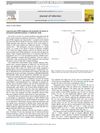
May 2021 in “Journal of infection/The Journal of infection” Most hospitalized COVID-19 patients had long-term symptoms like fatigue and hair loss, with women and those sicker during hospitalization at higher risk.
 1 citations
,
August 2022 in “Selcuk Dental Journal”
1 citations
,
August 2022 in “Selcuk Dental Journal” Covid-19 can cause skin and oral symptoms, like taste changes, which help in detection and management.
 114 citations
,
March 2021 in “Scientific Reports”
114 citations
,
March 2021 in “Scientific Reports” Older age and existing health conditions increase COVID-19 death risk.
 59 citations
,
October 2020 in “Stem Cell Reviews and Reports”
59 citations
,
October 2020 in “Stem Cell Reviews and Reports” Men have higher COVID-19 mortality rates than women due to biological and lifestyle factors.
 24 citations
,
February 2022 in “Reviews in Endocrine and Metabolic Disorders”
24 citations
,
February 2022 in “Reviews in Endocrine and Metabolic Disorders” Women with PCOS have a higher risk of severe COVID-19 due to related health issues.
 17 citations
,
September 2024 in “The Indian Journal of Medical Research”
17 citations
,
September 2024 in “The Indian Journal of Medical Research” Long COVID can cause long-lasting symptoms, but vaccination and early treatment can help prevent it.
 15 citations
,
August 2021 in “Reviews in endocrine and metabolic disorders”
15 citations
,
August 2021 in “Reviews in endocrine and metabolic disorders” COVID-19 and hypopituitarism (reduced pituitary gland function) are linked, with the latter's related health issues potentially worsening COVID-19 outcomes, and COVID-19 possibly increasing risk for pituitary complications.
 8 citations
,
February 2022 in “Journal of Clinical Medicine Research”
8 citations
,
February 2022 in “Journal of Clinical Medicine Research” The MATH+ protocol aims to improve COVID-19 outcomes using a combination of specific treatments.
 6 citations
,
March 2021 in “Cytotechnology”
6 citations
,
March 2021 in “Cytotechnology” Mesenchymal stem cells show promise in treating COVID-19 by reducing inflammation and aiding recovery, but more research is needed.
 122 citations
,
June 2020 in “Aging”
122 citations
,
June 2020 in “Aging” Older age and related diseases increase COVID-19 risk, but anti-aging treatments might help.
 10 citations
,
January 2023 in “Molecular and Cellular Biochemistry”
10 citations
,
January 2023 in “Molecular and Cellular Biochemistry” Solanum nigrum shows promise for treating COVID-19 and its complications, but more research is needed.
 December 2022 in “International Journal of Biomedicine”
 Androgens may worsen COVID-19 and hair loss could indicate the disease's severity.
 September 2021 in “RECISATEC - REVISTA CIENTÍFICA SAÚDE E TECNOLOGIA - ISSN 2763-8405”
 Platelet-rich plasma helps treat post-COVID-19 hair loss and boosts self-esteem.