 4 citations
,
June 2020 in “JAAD case reports”
4 citations
,
June 2020 in “JAAD case reports” Permanent hair dye may cause total hair loss.
 4 citations
,
January 2012 in “Chemical Immunology”
4 citations
,
January 2012 in “Chemical Immunology” Some drugs, especially biologics, can cause skin reactions that look like other skin diseases, and stopping the drug usually helps clear up these reactions.
 4 citations
,
August 2010 in “Journal of the American Academy of Dermatology”
4 citations
,
August 2010 in “Journal of the American Academy of Dermatology” Cicatricial alopecia involves scarring hair loss and can be treated with various medications.
 4 citations
,
June 2005 in “British Journal of Dermatology”
4 citations
,
June 2005 in “British Journal of Dermatology” HPV 60 may cause cysts and warts on the face, not just hands and feet.
 3 citations
,
December 2018 in “Meta Gene”
3 citations
,
December 2018 in “Meta Gene” Certain gene variations increase male hair loss risk, influenced by hormone levels.
 3 citations
,
July 2017 in “International journal of medicine”
3 citations
,
July 2017 in “International journal of medicine” Intralesional triamcinolone acetonide effectively treats alopecia areata, as shown by significant improvements in hair regrowth and dermoscopic indicators.
 2 citations
,
January 2022 in “Boletín médico del Hospital infantil de México/Boletín médico del Hospital Infantil de México”
2 citations
,
January 2022 in “Boletín médico del Hospital infantil de México/Boletín médico del Hospital Infantil de México” Some immunosuppressed patients can get unusual skin infections from Malassezia, which can be treated with antifungal medication.
 2 citations
,
July 2015 in “Archives of Dermatological Research”
2 citations
,
July 2015 in “Archives of Dermatological Research” A new gene variant in the DSP gene is linked to a unique type of hair loss.
 2 citations
,
July 2013 in “Veterinary dermatology”
2 citations
,
July 2013 in “Veterinary dermatology” Dog skin with hair loss, when transplanted to mice, regrew hair, suggesting the hair loss cause is likely body-wide, not skin-specific.
 2 citations
,
April 1981 in “International Journal of Dermatology”
2 citations
,
April 1981 in “International Journal of Dermatology” No treatment reliably changes Alopecia Areata's course; reassurance and possibly a wig are recommended.
 1 citations
,
November 2023 in “Curēus”
1 citations
,
November 2023 in “Curēus” Early diagnosis and treatment of nail and skin conditions can improve health and appearance.
 1 citations
,
September 2022 in “JMIR dermatology”
1 citations
,
September 2022 in “JMIR dermatology” Alopecia Areata greatly affects the quality of life and mental health of Canadian patients and their caregivers.
 1 citations
,
May 2022 in “Archiv Euromedica”
1 citations
,
May 2022 in “Archiv Euromedica” Topical treatment is recommended for Folliculitis decalvans in pregnant women.
 1 citations
,
June 2021 in “Journal of dermatology and dermatitis”
1 citations
,
June 2021 in “Journal of dermatology and dermatitis” Tyrosine kinase inhibitors show promise in treating some skin diseases but their definitive role in dermatology is still unclear.
 1 citations
,
April 2018 in “Revista da Sociedade Portuguesa de Dermatologia e Venereologia”
1 citations
,
April 2018 in “Revista da Sociedade Portuguesa de Dermatologia e Venereologia” Hidradenitis suppurativa is a chronic skin condition more common in women, linked to genetics and lifestyle factors, and associated with various other health issues.
 1 citations
,
November 2014
1 citations
,
November 2014 The document explains hair and nail biology, common hair loss conditions and treatments, oral and genital skin diseases, and the risks and treatments associated with squamous cell carcinoma.
 1 citations
,
January 2012 in “Elsevier eBooks”
1 citations
,
January 2012 in “Elsevier eBooks” The document concludes that the skin is a complex organ providing protection, sensation, and healing, with challenges in treating conditions like itchiness.
 1 citations
,
January 2010 in “Elsevier eBooks”
1 citations
,
January 2010 in “Elsevier eBooks” Any drug can cause skin reactions, but antibiotics, NSAIDs, and psychotropic drugs are more common, with some reactions being life-threatening.
 1 citations
,
February 2004 in “Journal of The European Academy of Dermatology and Venereology”
1 citations
,
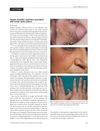
February 2004 in “Journal of The European Academy of Dermatology and Venereology” Hair loss improved with treatment and successful transplant.
 July 2026 in “International Journal of Applied Pharmaceutics”
 Hair dyes, especially with PPD, can cause skin and rare systemic reactions, and safer alternatives are needed.
 June 2026 in “International Journal of Dermatology Venereology and Leprosy Sciences”
 Alopecia areata patients may have higher blood pressure and blood sugar, indicating a future risk of metabolic issues.
 April 2026 in “Portuguese Journal of Dermatology and Venereology”
 COVID-19 and its vaccines can cause various skin issues due to viral effects, immune responses, and stress.
 March 2026 in “Reports of Vinnytsia National Medical University”
 Alopecia areata in young Ukrainian men varies in severity, requiring personalized treatment.
 March 2026 in “Frontiers in Oncology”
 Dermatologists should focus on restoring skin health and well-being in cancer survivors.
 February 2026 in “Frontiers in Public Health”
 Lifestyle changes can help manage androgenetic alopecia.
 January 2026 in “Forum Dermatologicum”
 JAK inhibitors and combination therapies show promise for treating severe alopecia areata.
 January 2026 in “Dermatology Review”
 Celiac disease can cause skin issues, and a gluten-free diet can help improve them.
 December 2025 in “IP Indian Journal of Clinical and Experimental Dermatology”
 Androgenetic alopecia treatments are becoming more personalized and include new therapies like topical antiandrogens and regenerative strategies.
 December 2025 in “Reports of Morphology”
 Men with alopecia areata have different body fat distribution compared to healthy men.
PRP therapy improves hair density and satisfaction more than Minoxidil for androgenetic alopecia.