 34 citations
,
April 2008 in “Journal of the European Academy of Dermatology and Venereology”
34 citations
,
April 2008 in “Journal of the European Academy of Dermatology and Venereology” Skin problems like itching, dry skin, and hair loss are more common in hepatitis C patients after interferon treatment, but lichen planus is not linked to the infection.
 24 citations
,
July 1998 in “Journal of the South African Veterinary Association”
24 citations
,
July 1998 in “Journal of the South African Veterinary Association” Ringworm in dairy calves can spread to humans.
 23 citations
,
June 2012 in “PLOS ONE”
23 citations
,
June 2012 in “PLOS ONE” KLF4 is important for maintaining skin stem cells and helps heal wounds.
 22 citations
,
May 2021 in “Nature Communications”
22 citations
,
May 2021 in “Nature Communications” Tissue stiffness affects hair follicle regeneration, and Twist1 is a key regulator.
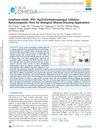 22 citations
,
September 2019 in “ACS omega”
22 citations
,
September 2019 in “ACS omega” The new nanocomposite films are stronger, protect against UV, speed up wound healing, and are antibacterial without being toxic.
 22 citations
,
October 2017 in “Australian & New Zealand Journal of Obstetrics & Gynaecology”
22 citations
,
October 2017 in “Australian & New Zealand Journal of Obstetrics & Gynaecology” Many young Australian women think they have PCOS, but only a few are diagnosed correctly, causing unnecessary worry.
 20 citations
,
July 2011 in “PLoS ONE”
20 citations
,
July 2011 in “PLoS ONE” HPV-150 and HPV-151 are rare skin viruses linked to warts and some skin cancers.
 17 citations
,
January 2014 in “Stem Cells Translational Medicine”
17 citations
,
January 2014 in “Stem Cells Translational Medicine” Canine epidermal neural crest stem cells could be a promising treatment for spinal cord injuries in dogs.
 14 citations
,
May 2013 in “Emerging infectious diseases”
14 citations
,
May 2013 in “Emerging infectious diseases” Cryptococcus gattii can remain dormant in animals for over 8 years.
 4 citations
,
January 2024 in “Scientific Reports”
4 citations
,
January 2024 in “Scientific Reports” Interferon therapy improves quality of life for chronic hepatitis B patients.
 4 citations
,
August 2020 in “Journal of The American Academy of Dermatology”
4 citations
,
August 2020 in “Journal of The American Academy of Dermatology” Hair loss link to COVID-19 severity likely due to other factors.
 1 citations
,
April 2023 in “bioRxiv (Cold Spring Harbor Laboratory)”
1 citations
,
April 2023 in “bioRxiv (Cold Spring Harbor Laboratory)” Climate-related nutritional stress may cause hair loss in juvenile male Guadalupe fur seals.
 1 citations
,
January 2023 in “In vivo/In Vivo”
1 citations
,
January 2023 in “In vivo/In Vivo” Box A of HMGB1 can improve stem cell function, aiding anti-aging therapy.
 1 citations
,
December 2020 in “Journal of Experimental Biology and Agricultural Sciences”
1 citations
,
December 2020 in “Journal of Experimental Biology and Agricultural Sciences” COVID-19 is caused by a virus from bats, and efforts focus on prevention and treatment research.
 1 citations
,
May 2019 in “Veterinarski arhiv”
1 citations
,
May 2019 in “Veterinarski arhiv” The yeast found in a sea lion's skin lesion was almost identical to that on healthy skin, suggesting environmental factors may affect fungal growth and the cause of the lesion is unclear.
 April 2026 in “Ankara Üniversitesi Veteriner Fakültesi Dergisi”
 Mueller-Hinton Agar is better for testing antifungal susceptibility in Microsporum canis and Nannizzia gypsea.
 January 2024 in “International Journal of Advanced Biochemistry Research”
 Staphylococcus in dogs with skin infections is most sensitive to Linezolid.
 January 2023 in “Trakia Journal of Sciences”
 Goats infested with lice showed anemia and skin issues, which improved after treatment.
 December 2022 in “Indian Journal of Animal Research”
 Both fluoxetine and clomipramine effectively treat dog lick dermatitis, but fluoxetine works faster with lower recurrence, while clomipramine has fewer side effects.
 June 2021 in “bioRxiv (Cold Spring Harbor Laboratory)”
 Gene therapy in mice increased lifespan and improved health without causing cancer.

Plant roots respond to fungus smells by possibly using certain proteins and a plant hormone to change root growth, but more research is needed.
 September 2019 in “Journal of Investigative Dermatology”
 Severe Hidradenitis Suppurativa increases missed and unproductive workdays.
 September 2019 in “Journal of Investigative Dermatology”
 Abrocitinib at 100 mg and 200 mg daily may significantly improve moderate-to-severe atopic dermatitis in patients 12 years and older.
 September 2019 in “Journal of Investigative Dermatology”
 Smoking and certain health conditions like thyroid disease may make palmoplantar pustulosis harder to treat.
 September 2019 in “Journal of Investigative Dermatology”
 Different staff in a dermatology clinic understand mostly their own tasks, not the full clinic process.
 September 2019 in “Journal of Investigative Dermatology”
 Finasteride treatment lowers urine androgen and prostaglandin levels, making them potential markers for effectiveness.
 2 citations
,
January 2024 in “Advances in Dermatology and Allergology”
2 citations
,
January 2024 in “Advances in Dermatology and Allergology” S100A7 and IL-17 may contribute to inflammation in lichen planopilaris.
 June 2026 in “Discover Nano”
 Lipid nanocarriers could effectively promote hair regrowth with fewer side effects.
 February 2026 in “Frontiers in Public Health”
 Lifestyle changes can help manage androgenetic alopecia.
 August 2025 in “International Journal of Research in Dermatology”
 Better standardization and transparency in statistical reporting are needed to improve hair care research quality.