 February 2026 in “PubMed”
 A personalized nutrition plan improved hair and skin health in a young man.
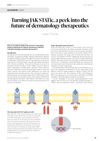 August 2024 in “New Zealand Medical Student Journal”
 JAK inhibitors show promise for treating skin diseases effectively and safely.
January 2022 in “Drugs of Today” 3 citations
,
January 2025 in “BMC Medical Informatics and Decision Making” Machine learning can help find new ways to treat alopecia areata.
 36 citations
,
April 2014 in “Experimental Dermatology”
36 citations
,
April 2014 in “Experimental Dermatology” Personalized treatment plans improve vitiligo care.
 March 2026 in “Frontiers in Medicine”
 New therapies for rare skin diseases show promise but need more research.
3 citations
,
October 2020 in “The journal of investigative dermatology. Symposium proceedings/The Journal of investigative dermatology symposium proceedings” Alopecia areata is a hair loss disease caused by complex immune reactions, and new targeted treatments show promise.
 3 citations
,
January 2021 in “Journal of The American Academy of Dermatology”
3 citations
,
January 2021 in “Journal of The American Academy of Dermatology” Different types of atopic dermatitis were linked to specific genetic and immune changes, suggesting that severe cases might need stronger immune-targeting treatments.
 6 citations
,
January 2019 in “Journal of dermatology”
6 citations
,
January 2019 in “Journal of dermatology” Immune checkpoint inhibitors used in cancer therapy can cause hair loss, and understanding this can help manage the side effect.
88 citations
,
August 2019 in “Frontiers in immunology” Tyrosine kinases are important in skin autoimmune diseases and could be targets for new treatments.
 January 2025 in “Biomedical Reports”
 Telitacicept helped stabilize complement levels in a patient with lupus and thyroid cancer.
 April 2017 in “Journal of Investigative Dermatology”
 SB414 may be an effective treatment for atopic dermatitis by reducing swelling and bacterial infection.
1 citations
,
January 2024 in “Dermatologic Therapy” Combining tacrolimus with excimer light is more effective for treating alopecia areata than using excimer light alone.
November 2025 in “Journal of Investigative Dermatology” Combining MMP-9 and JAK inhibitors can effectively prevent skin depigmentation in vitiligo.
 11 citations
,
October 2011 in “Allergologia et immunopathologia”
11 citations
,
October 2011 in “Allergologia et immunopathologia” A girl with Netherton syndrome was able to eat wheat without allergies after a special treatment.
19 citations
,
October 2016 in “Journal of oncology pharmacy practice” A cancer patient's hair became permanently curly after treatment with nivolumab.
26 citations
,
June 2024 in “Frontiers in Immunology” SOCS1 and SOCS3 help control skin inflammation and are important for developing treatments for skin diseases.
51 citations
,
July 2003 in “Annals of the Rheumatic Diseases” Co-trimoxazole may help treat autoimmune diseases.
91 citations
,
January 2010 in “Journal of Allergy and Clinical Immunology” NK cells play a role in skin diseases like eczema and psoriasis.
 3 citations
,
September 2023 in “Advanced science”
3 citations
,
September 2023 in “Advanced science” A new vaccine using a porous scaffold boosts immunity and protects against the flu better than traditional methods.
3 citations
,
November 2023 in “The Journal of Dermatology” 65 citations
,
December 2015 in “Experimental dermatology” Corticosteroid treatment reduces inflammation and alters hair keratins in alopecia areata.
7 citations
,
December 2010 in “Current Drug Therapy” Anti-complement agents could effectively treat autoimmune diseases with fewer side effects.

Live imaging helps us understand skin immune responses and develop treatments.
5 citations
,
April 2019 in “Journal of Investigative Dermatology” Oral JAK inhibitors improved alopecia areata by modulating immune responses and boosting hair growth.
 1 citations
,
October 1996 in “Journal of Cutaneous Medicine and Surgery”
1 citations
,
October 1996 in “Journal of Cutaneous Medicine and Surgery” Gene therapy shows promise for treating skin disorders and cancer, but faces technical challenges.
2 citations
,
July 2025 in “RMD Open” IL-1 blockade is effective for treating SURF, and personalized treatment is needed.
2 citations
,
March 2025 in “International Journal of Dermatology” Tralokinumab successfully treated alopecia areata in a patient with atopic dermatitis.
RCS-01 cell therapy is safe and improves skin gene expression.
14 citations
,
January 2015 in “Annals of dermatology/Annals of Dermatology” Corticosteroid pulse therapy is more effective for severe alopecia areata than combination therapy.