 June 2026 in “Journal of Pakistan Association of Dermatologists”
 Higher triglyceride levels are linked to more severe acne, but BMI is not.
 June 2026 in “Archives of Dermatological Research”
 The rs4541843 variant is linked to higher risk and severity of alopecia areata.
Most people with post-COVID syndrome experience symptoms like fatigue, but Omicron variants cause fewer persistent symptoms.
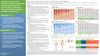 March 2026 in “SKIN The Journal of Cutaneous Medicine”
 All parts of the CLASI-A score are important for assessing skin activity in cutaneous lupus erythematosus.
 March 2026 in “Dermatology and Therapy”
 More severe alopecia areata can lower quality of life.
January 2026 in “Dermatologic Therapy” Improving sleep, diet, and scalp care may reduce hair loss severity.
 October 2025 in “Dermatology Practical & Conceptual”
 Severe COVID-19 often leads to hair loss in India.
June 2025 in “DiRROS repository (University of Maribor)” Stress, diet, and environment can worsen scalp seborrheic dermatitis.
May 2025 in “Apollo Medicine” Trichoscopy is a useful tool for diagnosing and assessing the severity of alopecia areata.
 January 2025 in “International Journal of Reproduction Contraception Obstetrics and Gynecology”
 PCOS and lifestyle choices like diet and hair removal methods play a key role in moderate hirsutism.
 January 2025 in “International Journal of Trichology”
 Severe hair loss may increase the risk of dying from COVID-19.
December 2024 in “Value in Health” A comprehensive approach is needed to accurately assess alopecia areata severity and guide treatment decisions.
 September 2024 in “Journal of the American Academy of Dermatology”
 PRO-C22 can help diagnose and monitor the severity of hidradenitis suppurativa.
July 2024 in “Journal of Investigative Dermatology” Tailored treatments for alopecia areata show promising results, with pulse steroids effective for mild cases and Ritlecitinib, Dupilumab, or methotrexate and prednisone effective for severe cases.
 January 2024 in “Annals of Dermatology”
 Current treatments for Alopecia Areata don't fully meet patients' needs, indicating a need for better therapies.
 November 2023 in “International Journal of Trichology”
 Trichoscopic features help diagnose and assess female pattern hair loss severity, with inflammation playing a key role.
 September 2023 in “Journal of The American Academy of Dermatology”
 The document's conclusion cannot be provided because the content is not available.
September 2023 in “International Journal of Trichology” More severe alopecia areata is linked to more follicular stelae, but not to treatment response.
 July 2023 in “International journal of trichology”
 The research found no clear link between the severity of male baldness and the scalp examination findings in Indonesian men.
April 2023 in “The Egyptian Journal of Hospital Medicine” Higher Interleukin 17A levels may indicate more severe alopecia areata.
 December 2022 in “Otorhinolaryngology, Head and Neck Pathology.”
 Photobiomodulation therapy effectively reduces pain after septoplasty.
 January 2022 in “The Egyptian Journal of Hospital Medicine”
 Higher IL-21 levels may help predict alopecia areata activity.
 January 2022 in “Al-Azhar Medical Journal”
 Higher antigliadin antibody levels are linked to alopecia areata severity.
 October 2021 in “Journal of Investigative Dermatology”
 The COVID-19 pandemic has led to more severe cases of Leprosy due to delayed medical care.
 March 2021 in “Journal of Evolution of Medical and Dental Sciences”
 Chemotherapy causes hair loss, nausea, fatigue, and blood issues, but counseling can help manage these effects.
 October 2020 in “Galen Medical Journal”
 Baldness is linked to a higher risk of coronary artery disease, but not to its severity.
 February 2019 in “IP Indian journal of clinical and experimental dermatology”
 Psychological stress is a major factor in the onset and severity of alopecia areata, with atopic individuals being more prone to develop it.
Finasteride worsens alcohol withdrawal in female mice but eases it in male mice.
December 2022 in “The Aging Male” Lower 2D:4D ratio and older age increase the risk of severe hair loss in men.
November 2021 in “International Journal of Trichology” Low PON1 levels may indicate and predict the severity of hair loss.