 November 2022 in “The Journal of Clinical Endocrinology and Metabolism”
 Postmenopausal hyperandrogenism, a condition with symptoms like increased hair growth and acne, is usually caused by PCOS but can also be due to other factors. It's diagnosed by checking testosterone levels and treated either by removing the adrenal tumor or through antiandrogen therapy.
 May 2021 in “The Journal of clinical and aesthetic dermatology”
 Most women with hair loss using 5% topical Minoxidil are satisfied with the treatment, but hair loss still affects their daily habits and social life.
 19 citations
,
December 2021 in “Cureus”
19 citations
,
December 2021 in “Cureus” Proxalutamide improved recovery, lowered death rates, and reduced hospital stay for COVID-19 patients.
 September 2023 in “Clinical, Cosmetic and Investigational Dermatology”
 About one-third of Saudi women with female pattern hair loss also have thinning hair at the back of their head.
296 citations
,
October 2018 in “General and Comparative Endocrinology” Hair cortisol is a reliable way to measure long-term stress in animals.
132 citations
,
September 2021 in “Frontiers in Public Health” COVID-19 affects multiple body systems, not just the lungs.
59 citations
,
July 2023 in “PLoS ONE” Metabolic syndrome is common in African populations, needing urgent prevention and treatment.
 30 citations
,
January 2023 in “EFSA journal”
30 citations
,
January 2023 in “EFSA journal” Adults should not consume more than 255 micrograms of selenium per day to avoid risk of hair loss and other side effects.
21 citations
,
January 2020 in “Conservation Physiology” Hair follicles increase hair cortisol levels, so consistent hair collection methods are important.
May 2025 in “Preprints.org” Olive oil byproducts can improve skin and hair care products due to their beneficial compounds.
October 2023 in “Cancers” Skin cancer in sun-exposed areas is more likely to come back.
December 2025 in “IntechOpen eBooks” BMI is not enough for assessing obesity in women; use more personalized tools.
March 2023 in “Journal of Personalized Medicine” Functional nutrition evaluations can improve personalized wellness programs and help prevent chronic diseases.
 153 citations
,
March 2017 in “Endocrine”
153 citations
,
March 2017 in “Endocrine” Male pattern baldness involves genetics, hormones, and needs better treatments.
 June 2025 in “Journal of Cluster Science”
 Metal nanoparticles show promise for treating hair loss but need more research to ensure safety.
 30 citations
,
December 1999 in “Journal of Investigative Dermatology Symposium Proceedings”
30 citations
,
December 1999 in “Journal of Investigative Dermatology Symposium Proceedings” Steroids, particularly estrogens and 5α-reductase inhibitors, affect blood vessel-related hair growth processes in hair follicle cells.
 July 2022 in “International journal of KIU”
 Genetics influence opioid addiction risk, diet affects COVID-19 severity, Aerva lanata may harm kidneys, some plants fight fungi and cancer, and nursing students need better contraceptive knowledge.
 June 2003 in “Obstetrical & Gynecological Survey”
 Postmenopausal ovary stromal cells have a unique makeup and limited steroid production, suggesting androgens come from the adrenal gland.
 414 citations
,
August 2005 in “The Journal of Clinical Endocrinology and Metabolism”
414 citations
,
August 2005 in “The Journal of Clinical Endocrinology and Metabolism” Polycystic ovary syndrome costs the U.S. over $4 billion a year, mainly from treating related health issues.
 7 citations
,
January 1992 in “Adolescent and pediatric gynecology”
7 citations
,
January 1992 in “Adolescent and pediatric gynecology” Early diagnosis and treatment of PCOS in teenagers can help prevent more severe adult PCOS.
 74 citations
,
January 2013 in “Journal of Investigative Dermatology”
74 citations
,
January 2013 in “Journal of Investigative Dermatology” Four genetic risk spots found for hair loss, with WNT signaling involved and a link to curly hair.
 January 2023 in “International journal of biological sciences”
 COX2 and ATP synthase control the size of hedgehog spines.
 January 2026 in “Frontiers in Medicine”
 Acupuncture reduces anxiety and depression in women with PCOS.
 April 2024 in “International journal of medical science and clinical research studies”
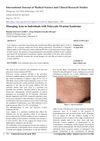
 Effective acne management in PCOS includes hormone therapy, metformin, isotretinoin, weight loss, diet, exercise, and personalized treatment plans.
Hormones, especially testosterone and DHT, are key for penis development and function, and testosterone therapy may help with erectile dysfunction in those with low levels.
 89 citations
,
October 1996 in “Dermatologic Clinics”
89 citations
,
October 1996 in “Dermatologic Clinics” Alopecia areata is likely caused by a combination of genetic factors and immune system dysfunction, and may represent different diseases with various causes.
 21 citations
,
December 2011 in “Chungara”
21 citations
,
December 2011 in “Chungara” Mummy hair's chemical composition may not accurately show ancient people's health due to environmental contamination.
 8 citations
,
January 2015 in “Genetics and molecular research”
8 citations
,
January 2015 in “Genetics and molecular research” Researchers found four key proteins that affect the development of a specific hair type in Yangtze River Delta white goats.
 137 citations
,
June 2005 in “Climacteric”
137 citations
,
June 2005 in “Climacteric” Estrogen loss during menopause worsens skin health, but hormone replacement therapy may improve it, though more research is needed.
 45 citations
,
July 2009 in “Journal of human genetics”
45 citations
,
July 2009 in “Journal of human genetics” A gene variation is linked to hair thickness in Asians.