 30 citations
,
September 2017 in “Clinics in Dermatology”
30 citations
,
September 2017 in “Clinics in Dermatology” Acanthosis nigricans is a skin condition that may indicate a higher risk for insulin resistance and type 2 diabetes, and more research is needed to understand and treat it.
29 citations
,
June 2016 in “Experimental Dermatology” MCHR2 gene duplications may be linked to alopecia areata.
 27 citations
,
July 2013 in “Journal of Dermatological Science”
27 citations
,
July 2013 in “Journal of Dermatological Science” The conclusion is that androgenetic alopecia and senescent alopecia have unique gene changes, suggesting different causes and potential treatments for these hair loss types.
25 citations
,
January 2004 in “The International Journal of Developmental Biology” Research on skin disorders in humans and mice has improved understanding of hair and skin development.
 11 citations
,
July 2016 in “Endocrinology”
11 citations
,
July 2016 in “Endocrinology” Higher Lnk protein levels in ovaries may lead to insulin resistance in women with PCOS.
8 citations
,
July 2017 in “The journal of investigative dermatology/Journal of investigative dermatology” Certain microRNAs might help identify and understand Frontal Fibrosing Alopecia.
 8 citations
,
January 2016 in “Journal of Veterinary Medical Science”
8 citations
,
January 2016 in “Journal of Veterinary Medical Science” Lab-made tissues from dog fat stem cells can help grow hair by releasing a growth factor.
 5 citations
,
May 2019 in “Archives of Dermatological Research”
5 citations
,
May 2019 in “Archives of Dermatological Research” Narrowband UVB treatment increases certain gene expressions in psoriasis skin and improves symptoms.
 5 citations
,
January 2015 in “Current Topics in Developmental Biology”
5 citations
,
January 2015 in “Current Topics in Developmental Biology” Fish teeth and taste bud densities are linked and can change between types due to shared genetic and molecular factors.
2 citations
,
February 2022 in “bioRxiv (Cold Spring Harbor Laboratory)” Impaired LEF1 activation speeds up skin cell development in Hutchinson-Gilford Progeria Syndrome.
1 citations
,
August 2025 in “International Journal of Molecular Sciences” Nutraceutical insulin-sensitizing agents may help treat skin conditions like psoriasis and acne.
1 citations
,
November 2024 in “Orphanet Journal of Rare Diseases” Changes in genes FGA, VWF, and ACTG1 may contribute to pemphigus vulgaris.
 1 citations
,
March 2014 in “TURKDERM”
1 citations
,
March 2014 in “TURKDERM” Understanding hair follicles can lead to new treatments for hair loss and skin tumors.
 January 2026 in “Cirugía Plástica .”
 Topical glutamic acid may help hair regrow after burns, but more human testing is needed.
July 2025 in “Journal of Investigative Dermatology” Acne involves increased lipid production and inflammation, affecting skin cell behavior and treatment resistance.
 November 2023 in “The journal of investigative dermatology/Journal of investigative dermatology”
 Removing MCPIP1 from myeloid cells in mice leads to hair loss and prevents skin tumors but causes pigmented spots.
July 2021 in “Plastic and reconstructive surgery. Global open” Verteporfin treatment in mice led to complete skin healing without scarring.
January 2019 in “Publisher” Human basal cell carcinomas and squamous cell carcinomas have unique gene expression patterns not fully mirrored in mouse models.
September 2017 in “Korean journal of acupuncture” Crataegi Fructus water extract helps hair grow better and thicker.
April 2026 in “Journal of Dermatology Research” The skin communicates with the nervous system, and targeting neurohormones like melatonin and oxytocin could help treat skin issues.
 March 2025 in “Experimental Dermatology”
 Overexpression of IKZF1 and Ikaros causes hair loss in mice similar to alopecia areata.
November 2023 in “Journal of Investigative Dermatology” Highly active but fewer CD14+CD16- monocytes are found in Alopecia Areata patients, regardless of severity.
 August 2023 in “Dermatologic Surgery”
 Wounding may stimulate hair growth, but more research is needed to confirm the safety and effectiveness of related treatments.
 April 2023 in “Journal of Investigative Dermatology”
 Acne patients have higher skin mTORC1 activity, which is reduced by isotretinoin treatment.
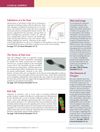 April 2015 in “Experimental Dermatology”
 Melanoma risk tools need improvement, certain gene mutations cause skin diseases and could be treated by targeting those mutations, skin wrinkling may relate to lung aging due to genetic factors, and oxidative stress affects hair loss but can be reduced in low oxygen.
 1 citations
,
February 2022 in “Clinical, Cosmetic and Investigational Dermatology”
1 citations
,
February 2022 in “Clinical, Cosmetic and Investigational Dermatology” TDM10842, a thyroid hormone receptor activator, was found to effectively promote hair growth in mice.

Skin stem cells are crucial for maintaining and repairing skin, with potential for treating skin disorders and improving wound healing.
 22 citations
,
November 2012 in “Journal of cosmetic dermatology”
22 citations
,
November 2012 in “Journal of cosmetic dermatology” Stem cells can rejuvenate skin, restore hair, and aid in wound healing.
 555 citations
,
July 2001 in “Genes & Development”
555 citations
,
July 2001 in “Genes & Development” Tcf3 and Lef1 are key in deciding skin stem cell roles.
 73 citations
,
April 2013 in “Stem cells”
73 citations
,
April 2013 in “Stem cells” LGR5 helps maintain corneal cell characteristics and prevents unwanted changes by controlling specific cell signaling pathways.