1 citations
,
November 2004 in “International Journal of Cosmetic Science” External agents penetrate skin more easily in areas with fewer lipids, especially through hair follicles.
 1 citations
,
May 2004 in “Journal der Deutschen Dermatologischen Gesellschaft”
1 citations
,
May 2004 in “Journal der Deutschen Dermatologischen Gesellschaft” The meeting presented new findings on hair stem cells, pigmentation, genetics, and modern hair treatment techniques.
 1 citations
,
January 2000 in “Springer eBooks”
1 citations
,
January 2000 in “Springer eBooks” Pregnancy can cause various skin changes and diseases, requiring careful treatment to protect the baby.
 July 2024 in “Gene & Protein in Disease”
 Exosome therapy shows promise for treating skin conditions and improving wound healing.
 March 2024 in “Research Square (Research Square)”
 Twist2 is essential for proper skin healing and hair growth in developing mice.
 November 2023 in “Klìtinna ta organna transplantologìâ”
 MSC-derived exosomes can help treat COVID-19, hair loss, skin aging, and arthritis.
 January 2016 in “Kafkas Journal of Medical Sciences”
 Turkish pregnant women commonly experienced skin issues like itching and acne, and doctors mainly used topical treatments due to safety concerns during pregnancy.
 July 2026 in “npj Regenerative Medicine”
 Gli2 and Serpinh1 are key for skin wound healing by helping fibroblasts close wounds.
 June 2026 in “International Journal of Molecular Sciences”
 Extracellular vesicles show promise in regenerative and cosmetic medicine but need more research and regulation for safe use.
June 2026 in “ACS Applied Nano Materials” New microneedles may improve vitiligo treatment.
 June 2026 in “Research Square”
 THBS4 helps hair grow by activating hair follicle stem cells.
June 2026 in “IECCMEXICO” Skin changes can indicate underlying health issues like diabetes or thyroid problems.
June 2026 in “Experimental Dermatology” Laminin-332 is vital for skin health, repair, and disease prevention.
May 2026 in “The Bioscan.” Medicinal plants may help improve symptoms of PCOS.

Basil oil has many health benefits, including improving skin, hair, mood, pain relief, and digestion.
 April 2026 in “bioRxiv (Cold Spring Harbor Laboratory)”
 Red light exposure can slow aging in mice by improving fat metabolism.

Acupuncture may help with hair regrowth in alopecia areata, but more research is needed.
COVID-19 can cause various skin issues, from mild rashes to severe conditions.
 March 2026 in “SKIN The Journal of Cutaneous Medicine”
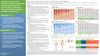
 All parts of the CLASI-A score are important for assessing skin activity in cutaneous lupus erythematosus.
 February 2026 in “International Journal of Molecular Sciences”
 Targeting mitochondria can improve skin healing and rejuvenation.
January 2026 in “Clinics in Dermatology” Managing menopause symptoms like skin changes and hair thinning involves hormone therapy, procedures, and skincare, with emotional support being important.
December 2025 in “Biomedicines” Tyrosine kinase inhibitors for endocrine tumors often cause skin issues, requiring early management and treatment adjustments.
December 2025 in “Dietetics” European olive products are beneficial for skin care and are expected to become more important.
September 2025 in “Aesthetic Surgery Journal” Exosome therapies improve skin and hair rejuvenation effectively.
 August 2025 in “The American Journal of Medical Sciences and Pharmaceutical Research”
 Non-injection carboxytherapy is effective and safe for treating problematic skin.
Stem cell treatments show promise for improving skin and hair, but need more research and standardization.
Geography affects skin microbiome more than genetics, but genetics still play a role.
April 2025 in “La Prensa Medica” Oral contraceptives help treat acne and hair issues by balancing hormones but need careful use due to possible side effects.
January 2025 in “Clinical and Experimental Dermatology” Anti-inflammatory diets may help hair regrowth in alopecia areata.
January 2025 in “NATIONS UNIVERSITY INTERNATIONAL JOURNAL OF MULTI-DISCIPLINARY STUDIES” Traditional plant-based treatments for skin issues in Lithuania are common but need more safety and effectiveness evaluation.