 1 citations
,
May 2004 in “Journal der Deutschen Dermatologischen Gesellschaft”
1 citations
,
May 2004 in “Journal der Deutschen Dermatologischen Gesellschaft” The meeting presented new findings on hair stem cells, pigmentation, genetics, and modern hair treatment techniques.
 July 2022 in “The journal of investigative dermatology/Journal of investigative dermatology”
 Krox20 is important for maintaining stem cells in the skin and affects hair growth and color.
April 2021 in “Journal of Investigative Dermatology” Krox20 is crucial for hair growth and maintaining skin stem cells.
24 citations
,
March 2001 in “PubMed” In Freixo de Espada à Cinta, common skin conditions include melanocytic nevi, hemangiomas, and acne, with variations based on age and sex.
11 citations
,
May 2022 in “JEADV. Journal of the European Academy of Dermatology and Venereology/Journal of the European Academy of Dermatology and Venereology” Most cutaneous adnexal tumors examined were benign and resembled common skin tumors.
2 citations
,
December 2000 in “DOAJ (DOAJ: Directory of Open Access Journals)” In Freixo de Espada à Cinta, many people have skin lesions, especially moles and acne.
 May 2015 in “Actas Dermo-Sifiliográficas”
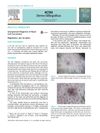
 A young man was unexpectedly diagnosed with basal cell carcinoma after a scalp examination and confocal microscopy.
71 citations
,
October 2013 in “Experimental Dermatology” Vitiligo and alopecia areata may have similar causes despite their differences.
 60 citations
,
April 2006 in “International Journal of Dermatology”
60 citations
,
April 2006 in “International Journal of Dermatology” Surgical methods like suction blister grafting and split-thickness skin grafting are highly successful for vitiligo repigmentation, but choosing the right patients is crucial for success.
27 citations
,
January 2011 in “Dermatology Research and Practice” Nonsegmental vitiligo is caused by the immune system attacking skin cells, often linked to other autoimmune diseases.
20 citations
,
November 2004 in “Archives of Pathology & Laboratory Medicine” A rare benign skin growth called melanocytic matricoma was identified in a 69-year-old man.
11 citations
,
February 1982 in “Mutation Research/Fundamental and Molecular Mechanisms of Mutagenesis” A new method can detect mutations in mice by observing changes in hair follicle cells.
2 citations
,
August 1987 in “Archives of Dermatology” Langerhans' cells are not responsible for depigmentation in this mouse model.
March 2026 in “International Journal of Innovative Technologies in Social Science” Vitiligo is a systemic disease with psychological effects, and new treatments focus on personalized care.
 5 citations
,
May 2021 in “BMC surgery”
5 citations
,
May 2021 in “BMC surgery” A man's unusual scalp folds caused by a skin condition were treated with surgery and remained unchanged two years later.
1 citations
,
January 2021 in “Processes” Researchers successfully grew horse skin cells that produce pigment from hair follicle samples.
56 citations
,
November 1958 in “The Journal of Cell Biology” A unique skin cell similar to hair bulb melanocytes was identified, with better preservation using permanganate fixation.
 8 citations
,
June 2016 in “Journal of Cutaneous Pathology”
8 citations
,
June 2016 in “Journal of Cutaneous Pathology” Two women were diagnosed with a rare melanoma that looked like hair loss but was actually a type of skin cancer.
 4 citations
,
May 2012 in “Tissue Engineering and Regenerative Medicine”
4 citations
,
May 2012 in “Tissue Engineering and Regenerative Medicine” Scientists created three types of structures to help regrow hair follicles, and all showed promising results for hair regeneration.
 December 2023 in “Journal of ethnopharmacology”
 Tribuloside can increase skin pigmentation by enhancing melanin production and distribution.
 January 2012 in “조직공학과 재생의학”
 The study found that certain three-dimensional scaffolds can help regenerate hair effectively.
16 citations
,
May 2006 in “PubMed” Alpha-melanocyte-stimulating hormone helps manage skin inflammation and protect against UV damage.
 April 2024 in “The Indonesian Biomedical Journal”
 Melanocyte stem cells from non-affected skin in vitiligo patients can become functional melanocytes for potential therapy.
8 citations
,
January 2017 in “Korean Journal of Physiology and Pharmacology” Pimecrolimus boosts melanin production and movement of skin pigment cells.
 5 citations
,
March 2019 in “Scientific Reports”
5 citations
,
March 2019 in “Scientific Reports” The technique can isolate cells to help treat skin pigmentation issues.
 5 citations
,
January 2012 in “Journal of Tissue Science & Engineering”
5 citations
,
January 2012 in “Journal of Tissue Science & Engineering” Collagen membranes improve melanocyte growth for treating skin depigmentation.
 September 2022 in “Journal of medical sciences and health”
 A person had two different benign skin tumors, a trichoadenoma and melanocytic naevi, at the same time but in different places on the face.
January 2008 in “Linchuang pifuke zazhi” Betamethasone activates and increases the growth of certain skin cells from hair follicles.
 April 2023 in “Journal of Investigative Dermatology”
 Blocking casein kinase 1 in skin cells can help melanocyte precursors move better, potentially helping with conditions like vitiligo or gray hair.
 7 citations
,
June 2021 in “Cell Proliferation”
7 citations
,
June 2021 in “Cell Proliferation” Low oxygen levels improve the function of hair and skin cells when they are in direct contact.