18 citations
,
March 1992 in “Archives of Dermatology” The man's scarring alopecia and skin issues did not improve with treatments.
 7 citations
,
November 1987 in “Pharmacotherapy: The Journal of Human Pharmacology and Drug Therapy”
7 citations
,
November 1987 in “Pharmacotherapy: The Journal of Human Pharmacology and Drug Therapy” Minoxidil can help thicken hair in some people with male pattern baldness, especially if used early and continuously.
 4 citations
,
November 2015 in “Aesthetic Plastic Surgery”
4 citations
,
November 2015 in “Aesthetic Plastic Surgery” Using tissue expanders for scalp reconstruction in patients with extensive Aplasia Cutis Congenita is effective and has minimal complications.
 4 citations
,
August 2007 in “Journal of The American Academy of Dermatology”
4 citations
,
August 2007 in “Journal of The American Academy of Dermatology” The document discusses a condition causing hair loss after surgery and a type of rosacea affecting the nose, with treatments including surgery and laser therapy.
2 citations
,
February 2022 in “Preprints.org” Fermented red ginseng marc may help treat atopic dermatitis by reducing inflammation and improving skin health.
2 citations
,
January 2016 in “Sarcoma” Inducing survivin in normal tissues can protect against radiation damage.
 1 citations
,
November 2023 in “Indian Dermatology Online Journal”
1 citations
,
November 2023 in “Indian Dermatology Online Journal” Primary essential CVG is a rare, benign scalp condition with treatment focusing on symptom management and hygiene.
 April 2023 in “The journal of investigative dermatology/Journal of investigative dermatology”
 p120-catenin helps control skin inflammation by regulating cadherin levels.
 January 2023 in “Journal of cosmetic dermatology”
 The synthetic retinoid EC23 thickens skin and promotes hair growth more effectively and with a lower dose than natural retinoids.
 May 2021 in “Our Dermatology Online”
 A woman with a rare scalp condition causing a thick scalp and hair loss didn't improve with steroid treatment.
June 2023 in “Scholars journal of medical case reports” A black-skinned woman was diagnosed with Vogt-Koyanagi-Harada disease and treated with steroids and eye drops.
 August 2020 in “Egyptian Veterinary Medical Society of Parasitology Journal (EVMSPJ)”
 10.5% of sheep in Ismailia, Egypt, had Sarcoptes scabiei, causing skin issues.
 January 2008 in “Springer eBooks”
 Thyroid hormone may be useful for treating various skin conditions and needs more research.
3 citations
,
January 2025 in “动物学研究” The gene GJA1 is important for regulating coarse hair density in goats.
 71 citations
,
February 2006 in “Clinics in Dermatology”
71 citations
,
February 2006 in “Clinics in Dermatology” Pregnancy causes skin changes like darkening, hair thickening, nail changes, and increased risk of skin growths, most of which usually resolve after birth.
94 citations
,
October 1994 in “The Journal of Cell Biology” Too much keratin 16 in mice skin causes abnormal skin thickening and structure.
338 citations
,
April 2001 in “Current Biology” c-Myc activation in mouse skin increases sebaceous gland growth and affects hair follicle development.
January 2012 in “ScholarlyCommons (University of Pennsylvania)” miRNAs are crucial for hair growth and skin health.
40 citations
,
February 1946 in “Canadian Journal of Research/Canadian journal of research” Hereditary factors cause hair loss in mice by affecting skin and hair follicle structure.
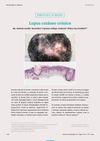 January 2024 in “Revista Dermatológica Centro Uraga”
 The patient has Chronic Cutaneous Lupus, a skin condition causing plaques and hair loss.
10 citations
,
September 2021 in “The FASEB Journal” ACKR2 helps prevent skin scarring and hair loss by controlling inflammation.
November 2023 in “Frontiers in Medicine” The method effectively mimics shaving damage on skin for testing skincare products.
 April 2023 in “The journal of investigative dermatology/Journal of investigative dermatology”
 Removing UBE2N from skin cells causes inflammation and immune response, which can be lessened with specific inhibitors.
11 citations
,
January 2005 in “Brazilian Journal of Medical and Biological Research” Hairless USP mice have enlarged skin cysts as they age.
1 citations
,
October 2010 in “Proceedings of SPIE, the International Society for Optical Engineering/Proceedings of SPIE” The skin fully recovered after using the optical clearing agent, showing no long-term harm.
December 2016 in “Experimental and Molecular Pathology” Mus pahari mice have fragile skin due to abnormal collagen and elastin.
15 citations
,
October 2014 in “The journal of investigative dermatology/Journal of investigative dermatology” Erlotinib causes skin inflammation through IL-1, which can be reduced by anakinra.
2 citations
,
March 1977 in “British Journal of Dermatology” Nandrolone phenylpropionate injections thickened the skin and enlarged oil glands in female hairless hamsters.
 September 2022 in “JAAD case reports”
 The man has a genetic skin condition called pachyonychia congenita.
39 citations
,
November 2007 in “Journal of Histochemistry & Cytochemistry” NG2 is crucial for normal skin and hair development in mice.