 July 2026 in “Organoid Research”
 A unified framework is needed to improve skin organoid construction for research and clinical use.
 94 citations
,
June 2016 in “The FASEB Journal”
94 citations
,
June 2016 in “The FASEB Journal” The Wnt/β-catenin pathway helps tissue regeneration but can also cause fibrosis, and drugs that inhibit this pathway may aid in healing skin and heart tissues.
 4 citations
,
January 2018 in “Cosmetics”
4 citations
,
January 2018 in “Cosmetics” Spin traps like PBN could protect skin from pollution and sunlight in cosmetics but need more research for safe use.
 3 citations
,
September 2005 in “Experimental dermatology”
3 citations
,
September 2005 in “Experimental dermatology” The cornified envelope is crucial for skin's barrier function and involves key proteins and genetic factors.
 June 2026 in “Frontiers in Materials”
 Smart hydrogel dressings can improve healing for severe wounds by mimicking natural tissue and delivering treatments.

Chemicals and stem cells combined have advanced regenerative medicine with few safety concerns, focusing on improving techniques and treatment effectiveness.
 May 2002 in “British Journal of Dermatology”
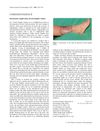
 Hair loss caused by longer latent hair cycle and sudden miniaturization, not gradual follicle size reduction.
 January 2026 in “RSC Advances”
 The hydrogel helps heal wounds without scars by releasing two drugs gradually.
 70 citations
,
August 2020 in “Nanomaterials”
70 citations
,
August 2020 in “Nanomaterials” Electrospun nanofibers show promise for enhancing blood vessel growth in tissue engineering but need further research to improve their effectiveness.
 8 citations
,
May 2021 in “Bioengineering & translational medicine”
8 citations
,
May 2021 in “Bioengineering & translational medicine” Hair growth environment recreated with challenges; stem cells make successful skin organoids.
 5 citations
,
October 2025 in “International Journal of Nanomedicine”
5 citations
,
October 2025 in “International Journal of Nanomedicine” Traditional Chinese Medicine and biomaterials help heal chronic wounds by targeting multiple pathways.
 May 2026 in “Organoid Research”
 Hydrogel-based methods improve skin organoid development for medical and research applications.
 341 citations
,
November 2009 in “The FASEB Journal”
341 citations
,
November 2009 in “The FASEB Journal” Calreticulin has roles in healing, immune response, and disease beyond its known functions in the endoplasmic reticulum.
 10 citations
,
June 2005 in “The journal of investigative dermatology/Journal of investigative dermatology”
10 citations
,
June 2005 in “The journal of investigative dermatology/Journal of investigative dermatology” FP-1 is a key protein in rat hair growth, active only during the growth phase.
 9 citations
,
January 2017 in “Elsevier eBooks”
9 citations
,
January 2017 in “Elsevier eBooks” Skin's epithelial stem cells are crucial for repair and maintenance, and understanding them could improve treatments for skin problems.
 6 citations
,
January 2015 in “Biochemical Society Transactions”
6 citations
,
January 2015 in “Biochemical Society Transactions” The Ysc84/SH3yl1 protein family is important for cell movement and the process of taking in materials by interacting with actin and cell membranes.
 6 citations
,
January 2009 in “Elsevier eBooks”
6 citations
,
January 2009 in “Elsevier eBooks” The skin has multiple layers and cells, serves as a protective barrier, helps regulate temperature, enables sensation, affects appearance, and is involved in vitamin D synthesis.
 May 2026 in “Commagene Journal of Biology”
 Anti-aging peptides can improve skin appearance but need better delivery methods and more research.
 5 citations
,
April 2024 in “bioRxiv (Cold Spring Harbor Laboratory)”
5 citations
,
April 2024 in “bioRxiv (Cold Spring Harbor Laboratory)” Aging skin shows thinner layers, fewer hair follicles, and new biomarkers like increased space between cells and smaller sebaceous glands.
 December 2025 in “Frontiers in Veterinary Science”
 Liaoning cashmere goats grow more cashmere by boosting fat production, supporting hair structure, and controlling inflammation.
 5 citations
,
February 2024 in “Frontiers in bioengineering and biotechnology”
5 citations
,
February 2024 in “Frontiers in bioengineering and biotechnology” Electrospun scaffolds can improve healing in diabetic wounds.
 January 2016 in “Springer eBooks”
 New materials and methods could improve skin healing and reduce scarring.
 July 2026 in “International Journal of Drug Delivery Technology”
 New drug delivery systems show promise for better alopecia treatment but need more safety tests and standardization.
 9 citations
,
October 2011 in “Journal of proteomics”
9 citations
,
October 2011 in “Journal of proteomics” Taxol damages hair growth cells, causing hair loss.

Vegan exosome-like vesicles from microalgae improve skin and hair health, reducing wrinkles and enhancing elasticity.
 April 2025 in “Frontiers in Animal Science”
 Sheep exosomes can enhance hair growth in mice.
11 citations
,
July 2015 in “Journal of Anatomy” SLVs help maintain muscle stretch sensitivity and could aid in treating hypertension and muscle spasticity.
 March 2025 in “Stem Cell Research & Therapy”
 A new microneedle treatment could effectively regrow hair in androgenic alopecia.
113 citations
,
July 2020 in “International Journal of Molecular Sciences” Allogenic ASCs and ECM transplants are safe and effective for tissue regeneration.
21 citations
,
November 2019 in “Molecular & Cellular Proteomics” Citrullinated proteins from Porphyromonas gingivalis may contribute to rheumatoid arthritis.