32 citations
,
August 2016 in “Science Signaling” Alopecia areata patients show unique protein activity patterns, suggesting imbalanced signaling pathways.
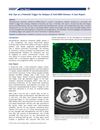 November 2025 in “Indian Journal of Nephrology”
 Hair dye may trigger anti-GBM disease relapse, and rituximab can help manage it.
 37 citations
,
September 2017 in “Reumatología Clínica”
37 citations
,
September 2017 in “Reumatología Clínica” Leflunomide and methotrexate are equally effective for rheumatoid arthritis but have different side effects.
 1 citations
,
October 2023 in “JEADV. Journal of the European Academy of Dermatology and Venereology/Journal of the European Academy of Dermatology and Venereology”
1 citations
,
October 2023 in “JEADV. Journal of the European Academy of Dermatology and Venereology/Journal of the European Academy of Dermatology and Venereology” A man developed skin lesions as a side effect of a gamma secretase inhibitor used for treating a tumor.
80 citations
,
January 1995 in “The Nephron journals/Nephron journals” The treatment was effective for lupus nephritis with manageable side effects.
December 2025 in “Drug Design Development and Therapy” Anlotinib combined with taxane/capecitabine is more effective than bevacizumab for treating HER-2 negative metastatic breast cancer.
 October 2004 in “Australian Prescriber”
 Agalsidase alfa helps treat Fabry's disease but needs more research for long-term benefits.
August 2021 in “The journal of investigative dermatology/Journal of investigative dermatology” TAGX-0003 protected hair follicles and reversed alopecia areata in a mouse model.
85 citations
,
January 1996 in “International Journal of Cancer” AS101 reduces hair loss from chemotherapy.
2 citations
,
March 2025 in “ESMO Open” Long-term treatment with palbociclib plus letrozole maintains quality of life in certain breast cancer patients.
Adalimumab significantly improved Hidradenitis Suppurativa and quality of life in two patients.
 April 2024 in “Frontiers in pharmacology”
 Brepocitinib 30mg is most effective for moderate-to-severe alopecia areata, but ritlecitinib 50mg may offer a better balance of safety and effectiveness.
 9 citations
,
May 2019 in “Journal of dermatological treatment”
9 citations
,
May 2019 in “Journal of dermatological treatment” Apremilast helps regrow hair in hard-to-treat alopecia areata.
9 citations
,
April 2024 in “Advanced Drug Delivery Reviews” December 2025 in “International Journal of Dermatology” Combining low-dose oral minoxidil with immunomodulators shows promise for treating alopecia areata but needs more research.
13 citations
,
April 2024 in “JAAD Case Reports” Deucravacitinib may effectively treat discoid lupus erythematosus.
 April 2019 in “The journal of investigative dermatology/Journal of investigative dermatology”
 Machine learning can predict how well patients with alopecia areata will respond to certain treatments.

No single biomarker is reliable enough for diagnosing and assessing SLE.
7 citations
,
March 2023 in “Lasers in Surgery and Medicine” Ablative fractional laser treatment nearly matches the gene reduction effects of topical vismodegib in skin cancer.
10 citations
,
December 2024 in “Allergy” Tralokinumab effectively improved atopic dermatitis symptoms in most patients, but some stopped due to side effects like hair loss.
35 citations
,
February 2023 in “Biomolecules” Granzyme B is important in autoimmune skin diseases and could be a new treatment target.
1 citations
,
January 2008 in “SKINmed Dermatology for the Clinician” Treatment with prednisolone and dapsone stopped new blisters and partially healed previous ones.
April 2016 in “The journal of investigative dermatology/Journal of investigative dermatology” Laminin-511 is involved in psoriasis development and can be regulated by cannabinoid receptor type 1.
November 2025 in “Journal of Investigative Dermatology” Combining MMP-9 and JAK inhibitors can effectively prevent skin depigmentation in vitiligo.
 January 2026 in “Frontiers in Molecular Biosciences”
 A new method helps diagnose alopecia areata using specific gene markers and could guide targeted treatments.
December 2020 in “Forum Dermatologicum” Intralesional triamcinolone acetonide can effectively limit the progression of GLPLS.
 April 2023 in “Journal of Investigative Dermatology”
 Long-term Imiquimod treatment causes initial skin inflammation that lessens over time, and topical corticosteroids reduce this inflammation and cytokines in a mouse model of psoriasis.
September 2025 in “PeerJ” FCER1A and RGS1 may help diagnose and treat systemic lupus erythematosus.
July 2024 in “Journal of Investigative Dermatology” Brepocitinib reduces interferon signaling in hidradenitis suppurativa patients.
32 citations
,
August 2020 in “American Journal Of Pathology” S100A4 promotes aggressive ovarian cancer and is a potential treatment target.