January 2026 in “Case Reports in Dermatological Medicine” Intralesional steroids effectively treated a young female's scalp nodules without recurrence.
 November 2025 in “International Journal of Research in Medical Sciences”
 Diffuse alopecia in females is often linked to certain medications, diseases, and low hemoglobin, while female pattern hair loss is linked to age, duration, and family history.

Alopesi tedavisinde ilaçlar saç büyümesini teşvik eder ve yeni yaklaşımlar umut vaat eder.
July 2025 in “Case Reports in Dermatology” Early detection and treatment are crucial to prevent irreversible hair loss in Lichen Planopilaris.
June 2025 in “British Journal of Dermatology” Dupilumab can cause psoriasis in some patients.
June 2025 in “British Journal of Clinical Pharmacology” Chemotherapy often causes skin and hair issues, but early management can help improve patient care.
 June 2025 in “Journal of Cosmetic Dermatology”
 Exosome therapy with laser treatment helped hair regrowth in a child with a rare skin condition.
May 2025 in “Skin Appendage Disorders” Frontal fibrosing alopecia can be diagnosed by examining facial areas and treated with specific medications to stop its progression.
 May 2025 in “International Medical Case Reports Journal”
 Lichen planus pigmentosus may indicate undetected hepatitis C infection.
 February 2025 in “Cureus”
 Hair transplants can rarely cause scalp inflammation leading to hair loss, needing early detection and treatment.
 February 2025 in “Dermatology and Therapy”
 Alopecia areata incognita causes sudden hair loss but usually improves with topical steroids.
 February 2025 in “Quality in Sport”
 Pregnancy-related skin disorders need accurate diagnosis and treatment to prevent risks to the baby.
January 2025 in “International Journal of Dermatology” Better diagnostic tools and treatment guidelines are needed for segmental vitiligo and related pigment issues.
 January 2025 in “Journal of Men s Health”
 Young men's erectile dysfunction is linked to mental health issues and risky behaviors promoted by online communities, highlighting the need for better mental health support and healthy masculinity standards.
 January 2025 in “Revista del Centro Dermatológico Pascua”
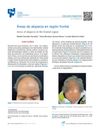
 Early diagnosis and treatment can help manage fibrosing alopecia in older women.
 January 2025 in “Medical Research Archives”
 Sex hormones are crucial for healthy skin and managing skin conditions.
January 2025 in “SiSli Etfal Hastanesi Tip Bulteni / The Medical Bulletin of Sisli Hospital” PRP injections are safe and effective for alopecia areata, but steroids are still the preferred treatment.
 October 2024 in “Journal of Education Health and Sport”
 Alopecia areata treatment should be personalized, using topical or systemic therapies based on severity, with promising options like JAK inhibitors needing more research.
 September 2024 in “Journal of Clinical Medicine”
 Permanent makeup can cause delayed allergic reactions, but they can be managed with proper treatment.

Certain drugs can worsen hair loss in people prone to androgenetic alopecia.
 July 2024 in “Medical alphabet”
 Betamethasone injections are more effective than Clobetasol for treating alopecia areata in children.
 June 2024 in “British Journal of Dermatology”
 Vitamin B supplements may reverse grey hair.
 June 2024 in “Australasian Journal of Dermatology”
 A 13-year-old boy with a rare scalp condition improved significantly with isotretinoin, minoxidil, oral steroids, and antiseptic shampoo.
 June 2024 in “Bangladesh Journal of Medicine”
 Effective alopecia treatment depends on the specific cause and includes medications and procedures.
May 2024 in “JAAD Case Reports” A young man was diagnosed with a rare hair loss condition usually seen in older women.
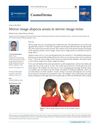
Mirror-image twins can have alopecia areata on opposite sides of their heads.
 April 2024 in “Clinical and experimental dermatology”
 Tofacitinib is effective for severe alopecia areata, similar to oral betamethasone.
 April 2024 in “Dermatology and therapy”
 There are significant gaps and inconsistencies in diagnosing and treating alopecia areata in Greece and Italy.
 April 2024 in “Dermatology and therapy”
 In Denmark from 1995 to 2016, hospital-treated alopecia areata cases increased, mostly affecting women and those over 50.

Baricitinib helped treat a man's beard hair loss when steroids didn't work.