 19 citations
,
December 2006 in “Archives of dermatology”
19 citations
,
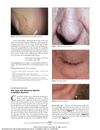
December 2006 in “Archives of dermatology” Hair casts and cutaneous spicules can be signs of multiple myeloma.
11 citations
,
January 1977 in “Archives of dermatological research” Mouse tail skin has different keratinization near hair follicles and scales.

Dupilumab improved hair and skin in a woman with Netherton syndrome.
 7 citations
,
July 2019 in “The Journal of Dermatology”
7 citations
,
July 2019 in “The Journal of Dermatology” Terbinafine effectively treated kerion celsi despite disrupted immune responses.

Dupilumab improved hair and skin in a woman with Netherton syndrome.

This rare genetic disorder causes permanent hair loss and skin bumps from birth.
28 citations
,
July 1980 in “British Journal of Dermatology” The hair disorder was caused by abnormal protein formation, making hair easily damaged.
22 citations
,
January 1990 4 citations
,
September 2004 in “Experimental Dermatology” Mutations in certain skin proteins cause severe skin issues, while others have limited effects, highlighting the need to understand these proteins for better treatments.
 January 2025 in “Journal of Fungi”
 Advanced dermoscopy techniques improve diagnosis and treatment monitoring for Kerion celsi but don't guarantee full hair regrowth.
 May 2022 in “Experimental dermatology”
 Trichothiodystrophy hair is structurally abnormal with protein and organization issues.
January 1962 in “Archives of Dermatology” A 5-year-old girl has lipoid proteinosis, causing voice issues, hair thinning, skin lesions, and tongue movement problems.
1 citations
,
April 2018 in “Journal of Investigative Dermatology” The Trichodysplasia spinulosa virus protein can cause abnormal hair growth in mice.
 28 citations
,
February 2012 in “PLoS ONE”
28 citations
,
February 2012 in “PLoS ONE” A PKP1 gene mutation causes skin fragility and hair loss in Chesapeake Bay retriever puppies.

Brazilian keratin treatment can cause skin reactions like eczema.
38 citations
,
July 1993 in “Journal of Investigative Dermatology” 3 citations
,
September 1973 in “Archives of dermatology” Applying a tretinoin cream can remove hair plugs and treat trichostasis spinulosa.
July 2025 in “Case Reports in Dermatology” Early detection and treatment are crucial to prevent irreversible hair loss in Lichen Planopilaris.
9 citations
,
September 2018 in “JAAD Case Reports” Lichen planopilaris can be triggered by prolonged scalp traction and can be treated with corticosteroids.
 February 2026 in “Trials”
 The Exfoliate-Dissolve-Repair skincare approach may effectively treat keratosis pilaris and reduce the need for corticosteroids.
6 citations
,
October 2006 in “International Journal of Dermatology” Hair splitting and nail detachment are linked conditions.
 October 2022 in “Medičnì perspektivi”
 Darier-White disease causes skin and nail issues, starts around age 20, worsens until 40-50, and has poor treatment options.
January 2018 in “Indian Dermatology Online Journal” A child with Olmsted syndrome showed mild improvement in hair and skin issues with treatment.
44 citations
,
January 2004 in “American journal of clinical dermatology” Understanding genetic mutations helps diagnose and treat skin disorders like ichthyosis.
14 citations
,
January 2015 in “Skin Appendage Disorders” Brazilian keratin treatment can cause severe skin reactions.
34 citations
,
July 2013 in “Clinical Cosmetic and Investigational Dermatology” Erosive pustular dermatosis is a rare skin disease that's hard to treat and affects the scalp or legs.
73 citations
,
January 2004 in “Journal of the American Academy of Dermatology” Immunocompromised patients can develop skin and hair issues due to a virus.
December 2025 in “Clinical Case Reports” Netherton syndrome causes skin and hair issues, confirmed by "bamboo hair" under dermoscopy, with no cure but managed with topical treatments.
8 citations
,
January 2019 in “JAAD Case Reports” EPDS can cause recurring scalp sores and hair loss if not treated.
1 citations
,
September 2022 in “Canadian Journal of Ophthalmology” Paraproteinemic keratopathy can show eye symptoms before other signs of disease, needing careful treatment and long-term follow-up.