 2 citations
,
May 2021 in “Stem Cells International”
2 citations
,
May 2021 in “Stem Cells International” Human pluripotent stem cells could be used to make platelets for medical use, but safety, effectiveness, and cost issues need to be resolved.
 July 2016 in “Experimental Dermatology”
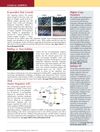
 New treatments for hair growth and psoriasis may be possible, and gene differences could affect baldness and the severity of skin conditions.
 August 2024 in “Nihon Ika Daigaku Igakkai Zasshi”
 The study made scar tissue transparent to better understand its structure.
August 2025 in “Marine Drugs” The new composite material is safe and has anticoagulant properties.
253 citations
,
April 2009 in “Journal of Biological Chemistry” p2y5, now called LPA6, is a receptor important for human hair growth.
31 citations
,
September 2014 in “Spinal Cord”  1 citations
,
June 2023 in “Journal of Cellular and Molecular Medicine”
1 citations
,
June 2023 in “Journal of Cellular and Molecular Medicine” The new method using gene-modified stem cells and a 3D printed scaffold improved skin repair in mice.
15 citations
,
July 2014 in “The journal of investigative dermatology/Journal of investigative dermatology” iPSCs can help treat genetic skin disorders by creating healthy skin cells from a small biopsy.
3 citations
,
September 2016 in “Pediatric Dermatology” Hypertrichosis (excessive hair growth) can help diagnose superficial epidermolytic ichthyosis.
January 2019 in “Springer eBooks” PLGA nanospheres in cosmetics improve skin and hair treatment effectiveness.
10 citations
,
October 2009 in “Photomedicine and laser surgery” IPL treatment can significantly reduce hair in faun tail but may need local anesthesia.
 1 citations
,
August 2023 in “Indian Journal of Plastic Surgery/Indian journal of plastic surgery”
1 citations
,
August 2023 in “Indian Journal of Plastic Surgery/Indian journal of plastic surgery” The Indian Journal of Plastic Surgery has achieved a Journal Impact Factor of 0.8 and improved its Scopus CiteScore to 1.4.
142 citations
,
March 2019 in “Molecules/Molecules online/Molecules annual” Cannabinoids may help treat various skin conditions.
35 citations
,
April 2024 in “Life” Bee venom, fig, and geranium oil can effectively treat skin conditions and are safer alternatives to some conventional drugs.
34 citations
,
August 2019 in “Journal of Allergy and Clinical Immunology” mTORC2 is crucial for healthy skin barrier by regulating lipids and filaggrin.
13 citations
,
December 2017 in “Stem cells” Low-dose radiation affects hair stem cell function and survival by changing their genetic material's structure.
 12 citations
,
April 2019 in “Scientific Reports”
12 citations
,
April 2019 in “Scientific Reports” A protein called HMGB1 helps hair grow by affecting prostaglandin metabolism.
7 citations
,
July 2024 in “Current Issues in Molecular Biology” Understanding skin stem cells and their regulation is key to improving skin healing and treating disorders.
1 citations
,
July 2025 in “Barrier Immunity” A holistic approach is crucial for treating skin disorders and restoring barrier function.
1 citations
,
November 2021 in “IntechOpen eBooks” Red light therapy may help prevent memory loss as we age.
1 citations
,
November 2011 in “British journal of pharmacology” Enzymes are classified into six types and are essential for many biological processes, with only a few targeted by drugs.
 August 2025 in “Journal of Pure and Applied Microbiology”
 Bee venom shows promise for treating cancer, infections, inflammation, and hair loss.
 February 2025 in “Applied Sciences”
 Scenedesmus deserticola JD052 extracts may help hair growth and could be a natural treatment for hair loss.
March 2008 in “British Journal of Pharmacology” Enzymes play crucial roles in metabolism, health, and disease management.
32 citations
,
July 2003 in “Histochemistry and Cell Biology” January 2025 in “Dermatologic Therapy” CO₂ laser therapy improves skin and hair growth in localized scleroderma without severe side effects.
June 2026 in “Journal of Biomedical Materials Research Part B Applied Biomaterials” The hydrogel with cells significantly speeds up pressure ulcer healing.
33 citations
,
June 2007 in “Gene Expression Patterns” CTIP2 may help in skin development and maintenance.
1 citations
,
February 2023 in “Tropical Journal of Pharmaceutical Research” Polysulfonic acid mucopolysaccharide can reduce skin scarring.
October 2010 in “EUR Research Repository (Erasmus University Rotterdam)” A fungal skin infection was successfully treated with medication and compression therapy.