 66 citations
,
October 1984 in “Annual Review of Microbiology”
66 citations
,
October 1984 in “Annual Review of Microbiology” Toxic Shock Syndrome cases increased due to new factors, but decreased with public health measures and changes in tampon use.
 January 2018 in “Our Dermatology Online”
 Trichomycosis axillaris is a treatable bacterial infection of underarm hair.
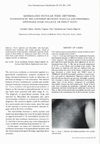 10 citations
,
May 1978 in “Acta Dermato Venereologica”
10 citations
,
May 1978 in “Acta Dermato Venereologica” Pustules in toxic erythema are linked to hair follicles or sweat ducts.
 49 citations
,
February 2020 in “Scientific reports”
49 citations
,
February 2020 in “Scientific reports” The nanohybrid system significantly improved wound healing and showed strong antibacterial activity.
January 2025 in “Dermatology Research and Practice” Restoring skin microbial balance may help treat acne.
August 2025 in “Journal of Clinical Medicine” Skin diseases alter the skin's microbiome, and prebiotic treatments might help.
June 2026 in “Clinical and Experimental Dermatology” Certain bacteria levels change in hair follicle diseases, but their role is unclear.
 40 citations
,
November 2017 in “International journal of nanomedicine”
40 citations
,
November 2017 in “International journal of nanomedicine” DA liposomes with chloramphenicol effectively target hair follicles and combat MRSA with minimal skin toxicity.
 January 2016 in “Dermatology Online Journal”
 Pregnant women with blisters should be checked for bullous impetigo.
January 2026 in “Al-Furat Journal for Health and Medical Sciences” Enterococcus faecalis may be linked to the severity of alopecia areata.
July 2025 in “Journal of Investigative Dermatology” DACC-based dressings are more effective than silver-based ones for treating chronic wounds with antimicrobial resistance.
1 citations
,
June 2011 in “Journal of Dermatological Case Reports” Shaving and applying erythromycin cream and clotrimazole powder effectively treated trichomycosis axillaris.
 14 citations
,
November 1987 in “Journal of The American Academy of Dermatology”
14 citations
,
November 1987 in “Journal of The American Academy of Dermatology” A woman developed a severe skin reaction called toxic epidermal necrolysis after taking the antibiotic cephalexin.
 October 2007 in “Journal of Investigative Dermatology”
 The document suggests a bacteria plays a significant role in acne rosacea and that white hair can regain color after transplant, meriting more research on reversing grey hair.
 June 2025 in “SAS Journal of Medicine”
 Early diagnosis of tufted hair is crucial for managing folliculitis decalvans, a chronic scalp condition.
11 citations
,
October 2024 in “International Journal of Molecular Sciences” Psoriasis patients have different skin bacteria, which may cause flare-ups.
May 2019 in “Eurasian Journal of Biosciences” Fenugreek aqueous extract is more effective against acne bacteria than the alcoholic extract.
12 citations
,
June 2011 in “Journal of Dermatological Case Reports” Shaving, erythromycin cream, and clotrimazole powder effectively treated the bad odor and rough hair.
 July 2024 in “Journal of Bioscience and Bioengineering”
 Different conditions affect how easily hair bacteria can be isolated.
20 citations
,
August 2005 in “The Journal of laboratory and clinical medicine” Mice with damaged skin or hair follicles are more susceptible to anthrax infection.
8 citations
,
August 2015 in “Experimental Dermatology” Hidradenitis suppurativa may involve gut and oral bacteria, suggesting targeted treatments could help.
 May 2026 in “Nature Communications”
 The new treatment effectively heals drug-resistant bacteria-infected wounds.
 August 2023 in “JOJ dermatology & cosmetics”
 Antibiotics often cause skin reactions, making them a major health concern.
 December 2025 in “Medical & Clinical Case Reports Journal”
 Corynebacterium minutissimum might cause hair loss on the scalp, but it's rarely diagnosed.
194 citations
,
October 2018 in “Microbiome” Acne is linked to complex skin microbe interactions, and new findings suggest microbiome-based treatments could be effective.
 April 2019 in “Journal of the Dermatology Nurses’ Association”
 A 37-year-old man with hair loss and skin issues was successfully treated with oral antibiotics, highlighting the need for early treatment. Long-term care includes low-dose antibiotics and avoiding caps and wigs.
September 2025 in “e-space (Manchester Metropolitan University)” Blocking androgen receptors helps immune cells better fight certain bacteria.
19 citations
,
August 2024 in “Cell Host & Microbe” 11 citations
,
October 2017 in “Mycoses” An 80-year-old man's deep beard infection was cured with oral terbinafine after identifying the fungus Trichophyton verrucosum.
1 citations
,
July 2025 in “Advanced Science” The microneedles effectively kill MRSA and improve wound healing.