 July 2009 in “International Society of Hair Restoration Surgery”
 Dividing hair grafts may make hair look fuller, but more research is needed.
 April 2023 in “Egyptian journal of Immunology”
 10% hPL is best for growing mesenchymal stem cells, while 10% FBS is best for hepatocytes.
13 citations
,
August 2024 in “iScience” 3D spheroid culture makes stem cells better at reducing inflammation.
Hair follicle stem cells can be cultured, but better methods are needed for longer growth.
 1 citations
,
July 2023 in “Journal of visualized experiments”
1 citations
,
July 2023 in “Journal of visualized experiments” The new method makes it easier to study the whole cochlea from newborn mice and rats in the lab.
43 citations
,
September 2009 in “Stem Cells” A nonviral method was developed to label and culture human hair follicle stem cells.
 4 citations
,
January 2012 in “International Society of Hair Restoration Surgery”
4 citations
,
January 2012 in “International Society of Hair Restoration Surgery” Combining FUE and strip surgery increases hair harvested in one session and keeps options open for future transplants.
2 citations
,
June 2013 in “In Vitro Cellular & Developmental Biology - Animal” Melanocytes from human fetal hair follicles were successfully cultured, showing potential for hair disease research and clinical use.
 61 citations
,
September 2016 in “NPG Asia Materials”
61 citations
,
September 2016 in “NPG Asia Materials” Glycol chitosan hydrogels enable quick, safe 3D cell spheroid formation for various applications.
16 citations
,
March 2021 in “Frontiers in cell and developmental biology” A new method using Y-27632 improves the growth and quality of human hair follicle stem cells for tissue engineering and therapy.
 25 citations
,
August 1998 in “Dermatologic Surgery”
25 citations
,
August 1998 in “Dermatologic Surgery” Dissecting microscopes give more and better quality hair grafts than magnifying loupes.
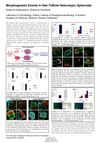
Researchers developed a method to create artificial hair follicles that may help with hair loss treatment and research.
 September 2023 in “Clinical, cosmetic and investigational dermatology”
 SLFC can improve scalp health and reduce sensitive scalp symptoms.
January 2019 in “CLINICAL AND EXPERIMENTAL MORPHOLOGY”  153 citations
,
August 2002 in “Dermatologic Surgery”
153 citations
,
August 2002 in “Dermatologic Surgery” Follicular Unit Extraction (FUE) is a less invasive hair transplant method with minimal scarring, suitable for about 60% of patients, especially those needing fewer grafts and quicker recovery.
 46 citations
,
September 2014 in “Tissue engineering. Part A”
46 citations
,
September 2014 in “Tissue engineering. Part A” Researchers created hair-inducing human cell clusters using a 3D culture method.
 27 citations
,
November 2008 in “Facial Plastic Surgery”
27 citations
,
November 2008 in “Facial Plastic Surgery” Follicular Unit Extraction is a less invasive hair transplant method with potential for natural results but has challenges like longer surgery time and higher cost.
 61 citations
,
December 2016 in “The EMBO Journal”
61 citations
,
December 2016 in “The EMBO Journal” The study showed that hair follicle stem cells can maintain and organize themselves in a lab setting, keeping their ability to renew and form hair and skin.
A new 3D breast tumor model helps test drug effects more accurately than traditional methods.
 205 citations
,
April 2005 in “Journal of Investigative Dermatology”
205 citations
,
April 2005 in “Journal of Investigative Dermatology” Scientists have found a way to create hair follicles from skin cells of newborn mice, which can grow and cycle naturally when injected into adult mouse skin.
December 2025 in “Advanced Healthcare Materials” The Spherical Skin Model improves drug and cosmetic testing by accurately mimicking human skin for efficient compound screening.
The DNS FUE technique offers discreet hair transplants with high satisfaction and low damage rates.
17 citations
,
July 2021 in “Polymers” Using ultrasonication at 45 kHz for 30 minutes is an efficient, low-cost way to produce high-quality chitin nanofibers from crab shells.
 27 citations
,
January 2006 in “Dermatologic Surgery”
27 citations
,
January 2006 in “Dermatologic Surgery” The SAFE System for hair transplants results in low damage to follicles and could make the procedure suitable for more patients.
57 citations
,
October 1996 in “Dermatologic clinics” HA-MNs with MXD effectively treat hair loss better than topical MXD with fewer side effects.
 May 2023 in “Stem cell research & therapy”
 New method efficiently isolates hair growth cells from newborn mouse skin.
2 citations
,
July 2025 in “Scientific Reports” Acinetobacter strain A1-4-2 can safely clean water pollutants.
4 citations
,
August 2020 in “bioRxiv (Cold Spring Harbor Laboratory)” The tool iCOUNT helps understand how stem cells divide and affect tissue development and repair.
 3 citations
,
November 2014 in “Protein Expression and Purification”
3 citations
,
November 2014 in “Protein Expression and Purification” Scientists successfully purified a protein called Wnt3a, which is involved in processes like hair growth, but the overall yield was low, suggesting more work is needed to improve this.

Flubendazole in a nanoemulsion can potentially treat lung cancer and cryptococcal meningitis effectively and safely.