 May 2022 in “International journal of infectious diseases”
 A woman with a rare scalp infection was cured after one month of medication.
 September 2023 in “Cosmoderma”
 Early diagnosis and treatment of favus can prevent permanent hair loss.
 October 2024 in “Dermatology Practical & Conceptual”
 Using dermoscopy improves diagnosis of scalp and hair disorders in children.
1 citations
,
April 2022 in “Clinical Cosmetic and Investigational Dermatology” Topical treatment improved rare scalp lichen amyloidosis.
 1 citations
,
May 2002 in “Therapeutische Umschau”
1 citations
,
May 2002 in “Therapeutische Umschau” Children's hair diseases include compulsive hair-pulling, easily plucked hair, scalp fungal infections, and head lice, each requiring specific diagnosis and treatment.
 17 citations
,
January 2009 in “Nippon Ishinkin Gakkai Zasshi”
17 citations
,
January 2009 in “Nippon Ishinkin Gakkai Zasshi” A 10-year-old boy recovered from a scalp infection caused by a fungus after treatment with itraconazole.
2 citations
,
October 2015 in “Mikrobiyoloji bülteni” A woman in Turkey with a scalp infection was cured using oral and topical antifungals after a recurrence due to not following the treatment properly.
1 citations
,
December 2012 in “Clinical and Experimental Dermatology” A rare calcium deposit condition was found on a man's scalp.
 22 citations
,
January 2009 in “Medical mycology”
22 citations
,
January 2009 in “Medical mycology” A family got a fungal infection from a boy who had contact with rabbits, but they all recovered with treatment.
April 2021 in “Pediatric Practice and Research” Early diagnosis and treatment of hair and scalp diseases in children can improve their growth and mental health.
32 citations
,
August 2016 in “Journal of the American Academy of Dermatology” Temporal triangular alopecia is a non-scarring hair loss in children, often linked to other health conditions.
 December 2019 in “Journal of pediatrics & neonatology”
 A 13-year-old boy had a rare, stable type of hair loss with little chance of regrowth, but treatment is available for looks.
Isotretinoin and other medications showed promising results for treating a rare scalp condition linked to severe acne.
18 citations
,
November 1989 in “Clinical and experimental dermatology” Griseofulvin is the best treatment for severe scalp infection caused by Microsporum canis.
Higher iodine levels in children's hair may help cure tinea capitis during puberty.
 2 citations
,
December 2007 in “Expert Review of Dermatology”
2 citations
,
December 2007 in “Expert Review of Dermatology” The document concludes that early diagnosis and treatment are key for pediatric hair loss disorders, and addressing the emotional effects on children is important.
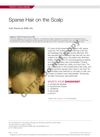
A 5-year-old girl has sparse, dry, and brittle hair but is otherwise healthy.
August 2024 in “Indian Journal of Dermatology Venereology and Leprology” 11 citations
,
October 2017 in “Mycoses” An 80-year-old man's deep beard infection was cured with oral terbinafine after identifying the fungus Trichophyton verrucosum.
13 citations
,
September 1997 in “Archives of Dermatology” The boy likely has a fungal infection causing hair loss.
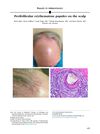 January 2016 in “Journal of The American Academy of Dermatology”
 The woman has a type of scarring hair loss with red bumps around hair follicles.
6 citations
,
August 1985 in “Archives of dermatology” A lotion helped remove hair casts, which seem to come from a specific part of the hair follicle, and patients with hair casts can be grouped based on the cause.
2 citations
,
December 2019 in “Colombia medica” A patient with a rare scalp condition showed improvement with isotretinoin and other medications.
October 2012 in “Indian Journal of Dermatology, Venereology and Leprology” 13 citations
,
June 2011 in “PubMed” The patient improved significantly after treatment, with only one small scar remaining.
2 citations
,
December 2021 in “Journal of Drugs in Dermatology” Early diagnosis and treatment of alopecia in children are crucial for managing physical and psychological impacts.
July 2025 in “International Journal of Trichology” Trichoscopy effectively diagnoses temporal triangular alopecia in children.
7 citations
,
May 2021 in “Clinical Case Reports” Alopecic and aseptic nodules of the scalp are rare, treatable, and often resolve with doxycycline or on their own.
 March 2022 in “Benha Journal of Applied Sciences”
 ULBP3 levels are higher in Tinea capitis patients and may help predict the disease's severity.
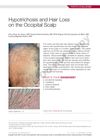 September 2023 in “Cutis”
 A baby girl has a hair disorder called monilethrix, causing fragile hair that may improve over time.