 October 2025 in “Advanced Materials”
 New lipid/fiber microplexes improve mRNA therapy for degenerative diseases by enhancing cell function and treatment effectiveness.
3 citations
,
September 2025 in “Cosmetics” Extracellular vesicles could revolutionize skincare by improving skin repair and anti-aging, but face regulatory and cost challenges.

Removing SIX1 in fat cells reduces skin fibrosis.
 2 citations
,
July 1982 in “British Journal of Dermatology”
2 citations
,
July 1982 in “British Journal of Dermatology” Retinol acetate can reduce the harmful effects of the drug benoxaprofen on white blood cells.
1 citations
,
August 2021 in “Journal of Investigative Dermatology” ASLAN004 was safe and well-tolerated, supporting further development for treating certain diseases.
 December 2024 in “ACS Applied Materials & Interfaces”
 The new hydrogel helps heal diabetic wounds by reducing inflammation and improving tissue repair.
 12 citations
,
June 2022 in “FARMACIA”
12 citations
,
June 2022 in “FARMACIA” Transethosomal gels improve naftifine skin delivery better than Exoderil cream.
 April 2026 in “Molecules”
 Yeast-derived vesicles can improve hair follicle health and promote hair growth.
10 citations
,
January 2024 in “Dermatology Research and Practice” Taking a collagen and vitamin C supplement improves skin and hair health.
5 citations
,
May 2024 in “Journal of Cosmetic Dermatology” Engineered nanovesicles from hair follicle stem cells can effectively treat UVB-induced skin aging.
February 2016 in “Annals of the Rheumatic Diseases” All four treatments for early rheumatoid arthritis had similar and mostly mild side effects.
 2 citations
,
December 2021 in “Aesthetic surgery journal”
2 citations
,
December 2021 in “Aesthetic surgery journal” The new silicone gel wound dressing may speed up early healing after hair transplant surgery compared to Bacitracin.
 1 citations
,
March 2004 in “Military Medicine”
1 citations
,
March 2004 in “Military Medicine” The retired colonel's ankle swelling was caused by a reaction to the antibiotic levofloxacin.
 59 citations
,
February 2003 in “Veterinary Dermatology”
59 citations
,
February 2003 in “Veterinary Dermatology” Cyclosporin is effective for treating skin conditions in small animals, but requires careful dosing and monitoring for side effects.
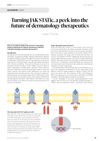 August 2024 in “New Zealand Medical Student Journal”
 JAK inhibitors show promise for treating skin diseases effectively and safely.
 April 2023 in “Journal of Investigative Dermatology”
 Using DNase enzymes to break down harmful NETs could be a new treatment for Stevens-Johnson syndrome and toxic epidermal necrolysis.
January 2026 in “BioNanoScience”  16 citations
,
November 1992 in “Journal of International Medical Research”
16 citations
,
November 1992 in “Journal of International Medical Research” ViviScal®, a food supplement, was found to be highly effective in treating hereditary hair loss in young males, while fish extract showed no impact.
 November 2023 in “Journal of Investigative Dermatology”
 Adipose stem cell-derived exosomes may improve hair count and scalp health, potentially outperforming current treatments like minoxidil.
19 citations
,
April 2021 in “Stem Cell Research & Therapy” SVF cell transplantation improves skin regeneration safely.
January 2026 in “SSRN Electronic Journal” January 2026 in “SSRN Electronic Journal”  September 2018 in “Reactions Weekly”
 Two women had skin reactions from a hair loss treatment and got better after stopping use.
 May 2024 in “Journal of drug delivery science and technology”
 Exosomes show promise for treating skin diseases and improving skin regeneration.
 January 2024 in “Surgical & Cosmetic Dermatology”
 Exosomes may help treat skin diseases and improve skin rejuvenation.
 June 2024 in “Synthetic and systems biotechnology”
 A fragment of human type XVII collagen shows great potential for skin health and wound healing.
January 2026 in “SSRN Electronic Journal” 5 citations
,
November 2024 in “Biomedicine & Pharmacotherapy” The chitosan-peptide system helps cartilage regeneration using fat-derived cells.
September 2010 in “Reactions weekly” The combination of tretinoin, minoxidil, and betamethasone valerate may cause severe scalp inflammation.
 March 2026 in “Journal of Nanobiotechnology”
 A new microneedle treatment can effectively repigment skin in vitiligo.