December 2024 in “Journal of Pakistan Association of Dermatologists” Tazarotene 0.1% works better than adapalene 0.1% for treating mild to moderate acne.
11 citations
,
April 2023 in “Annals of General Psychiatry” Serotonergic antidepressants can significantly increase the risk of erectile dysfunction and have a small risk of causing irreversible sexual dysfunction.
 November 2021 in “Research Outreach”
 Low testosterone levels may lead to more severe COVID-19 outcomes.
2 citations
,
January 2016 in “Gynecological Endocrinology” A hidden autoimmune syndrome was found during a shock, showing thyroid, adrenal, and ovarian issues.
 January 2014 in “S. Karger AG eBooks”
 Type 2 diabetes in youth is increasing, with high treatment failure rates and more severe than Type 1; certain drugs can lower lipid levels effectively with varying side effects, and apples may benefit heart health like statins but with fewer side effects.
 November 2025 in “Mendeley Data”
 Standard dosing is more effective for severe alopecia areata in children, but unorthodox dosing can be safe and considered if needed.
5 citations
,
January 2025 in “Science Advances” 5α-reductase 2 is crucial for stress response in male rats.
 54 citations
,
April 2010 in “Baillière's best practice and research in clinical endocrinology and metabolism/Baillière's best practice & research. Clinical endocrinology & metabolism”
54 citations
,
April 2010 in “Baillière's best practice and research in clinical endocrinology and metabolism/Baillière's best practice & research. Clinical endocrinology & metabolism” Impaired androgen production in 46,XY DSDs causes ambiguous genitalia and requires long-term care.
53 citations
,
August 2017 in “Journal of Investigative Dermatology”  January 2024 in “Wiadomości Lekarskie”
 New treatments for alcohol, opioid, and cannabis addiction include medications, therapy, and personalized plans.
Oral tofacitinib effectively treats alopecia areata long-term with manageable side effects.
1 citations
,
January 2016 in “Dermatology Online Journal” Triangular temporal alopecia can occur in adults and should be correctly identified to prevent misdiagnosis.
1 citations
,
April 2018 in “Journal of Investigative Dermatology” The Trichodysplasia spinulosa virus protein can cause abnormal hair growth in mice.
20 citations
,
March 2017 in “Arthritis research & therapy” Social media can help compare the effectiveness and safety of new arthritis medications.
 14 citations
,
February 2017 in “Anais brasileiros de dermatologia/Anais Brasileiros de Dermatologia”
14 citations
,
February 2017 in “Anais brasileiros de dermatologia/Anais Brasileiros de Dermatologia” Trichotillomania is often misdiagnosed as alopecia areata and can be treated effectively with N-acetylcysteine and psychotropic drugs.
13 citations
,
April 2024 in “JAAD Case Reports” Deucravacitinib may effectively treat discoid lupus erythematosus.
March 2005 in “European Urology Supplements” 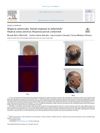 1 citations
,
July 2019 in “Medicina Clínica (English Edition)”
1 citations
,
July 2019 in “Medicina Clínica (English Edition)” Tofacitinib partially improved hair regrowth in a patient with severe hair loss.
 2 citations
,
March 2023 in “BioScience Trends”
2 citations
,
March 2023 in “BioScience Trends” The review indicates that understanding of long COVID symptoms is still limited and better research is needed for diagnosis and treatment.
 27 citations
,
December 2015 in “Mayo Clinic Proceedings”
27 citations
,
December 2015 in “Mayo Clinic Proceedings” The document concludes that lifestyle changes and medical treatments can significantly reduce symptoms of Hidradenitis Suppurativa, a chronic skin condition.
 April 2026 in “Zenodo (CERN European Organization for Nuclear Research)”
 The model improves understanding of androgen interactions by focusing on signal intensity and system capacity.
October 2025 in “Diagnostics” Temporal triangular alopecia is a harmless, non-progressive hair loss condition.
 18 citations
,
March 2006 in “Expert Review of Neurotherapeutics”
18 citations
,
March 2006 in “Expert Review of Neurotherapeutics” The document concludes that managing side effects of MS therapies is crucial for treatment success and patient adherence.
July 2022 in “Journal of Cosmetic Dermatology” Isotretinoin with tacrolimus may be more effective short-term for treating frontal fibrosing alopecia than finasteride with tacrolimus.
9 citations
,
January 2012 in “International journal of trichology” Trichostasis spinulosa can be diagnosed with a simple skin biopsy and treated with specific gels, but lesions may return after stopping treatment.
 April 2012 in “Informa Healthcare eBooks”
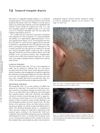
 Temporal triangular alopecia is a lifelong condition with hairless patches on the side of the head that may be present from birth.
2 citations
,
May 2017 in “Journal of the American Academy of Dermatology” Tofacitinib helped a 19-year-old regrow hair after other treatments failed.
13 citations
,
March 2014 in “Journal of the American Medical Directors Association” Trichotillomania was successfully treated with risperidone and naltrexone.
 2 citations
,
June 2016 in “PubMed”
2 citations
,
June 2016 in “PubMed” An 11-year-old girl with compulsive hair pulling was successfully treated with therapy and medication.
11 citations
,
February 2018 in “Oncotarget” Lower SMAD2/3 activation predicts more severe skin cancer.