 9 citations
,
January 2023 in “International Journal of Biological Sciences”
9 citations
,
January 2023 in “International Journal of Biological Sciences” CTHRC1 is essential for healing and preventing heart rupture after a heart attack.
July 2025 in “International Journal of Trichology” Trichoscopy effectively diagnoses temporal triangular alopecia in children.
5 citations
,
January 2024 in “Science Advances” Touch dome keratinocytes in adult skin have traits of different skin cell types.
 April 2019 in “The journal of investigative dermatology/Journal of investigative dermatology”
 Targeting cholesterol, fatty acids, fibrosis, and mast cells may help treat CCCA.
 January 2017 in “International journal of science and research”
 Trichotillomania is a chronic hair-pulling disorder, more common in females, treated with therapy and sometimes medication.
January 2026 in “Journal of Advanced Research” Bacillus sp. TC5 products help hair regrowth and improve skin drug absorption.
 13 citations
,
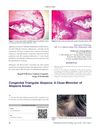
January 2011 in “International Journal of Trichology”
13 citations
,
January 2011 in “International Journal of Trichology” CTA is often mistaken for AA but doesn't respond to steroids and may require hair transplantation.
April 2021 in “Journal of Investigative Dermatology” A deep learning model was developed to help diagnose trichothiodystrophy by analyzing hair patterns.
 10 citations
,
January 2011 in “Case reports in dermatological medicine”
10 citations
,
January 2011 in “Case reports in dermatological medicine” Hair transplant surgery effectively treated a specific type of hair loss and is recommended as a primary treatment option.
7 citations
,
November 1997 in “Pediatric Dermatology” Trichothiodystrophy can be linked to urologic issues and high calcium in urine.
Trichoscopic examination is crucial for diagnosing congenital triangular alopecia.
3 citations
,
June 2018 in “Internal Medicine” Recombinant thrombomodulin can effectively treat severe complications in Cronkhite-Canada syndrome.
 April 2020 in “Research Square (Research Square)”
 Trichilemmal carcinoma shares genetic traits with other skin cancers, suggesting similar treatment options.
1 citations
,
January 2016 in “Dermatology Online Journal” Triangular temporal alopecia can occur in adults and should be correctly identified to prevent misdiagnosis.
36 citations
,
June 2015 in “International journal of toxicology” Trichloroethylene causes skin inflammation in mice by increasing certain immune proteins.
11 citations
,
March 2002 in “Pediatric Dermatology” Temporal triangular alopecia is a non-scarring hair loss seen in some Asian children.
May 2022 in “The journal of investigative dermatology/Journal of investigative dermatology” Loss of TET2 increases the risk of skin and oral cancer.
14 citations
,
April 2015 in “Stem Cell Research & Therapy” Granulation tissue-derived cells can aid wound healing and serve as an alternative source of stem cells for tissue repair.
2 citations
,
May 1985 in “Environmental Health Perspectives” Chlorinated compounds like TCDD can cause skin issues and chloracne by affecting cell behavior.
 3 citations
,
September 2022 in “Animal biotechnology”
3 citations
,
September 2022 in “Animal biotechnology” lncRNA MTC affects protein levels in goat skin cells, impacting hair growth.
 June 2026 in “Current Oncology Reports”
 Sacituzumab Tirumotecan shows promise in treating gynecologic cancers with manageable side effects.
10 citations
,
January 1997 in “Dermatology” Two siblings were diagnosed with Trichothiodystrophy, identified by brittle hair and low sulfur content.
990 citations
,
October 1999 in “Development” Activated LEF/TCF complexes are crucial for hair development and cycling.
4 citations
,
September 2024 in “Development” Researchers converted human embryonic stem cells into trophoblast stem cells using specific transcription factors.
November 1997 in “Open Archive (Karolinska Institutet)” PTCH gene mutations contribute to basal cell carcinoma development.
October 2025 in “Diagnostics” Temporal triangular alopecia is a harmless, non-progressive hair loss condition.
1 citations
,
January 2008 Introducing the OTC gene improved symptoms in mice with OTC deficiency.
 2 citations
,
December 2020 in “American Journal of Dermatological Research and Reviews”
2 citations
,
December 2020 in “American Journal of Dermatological Research and Reviews” The combination therapy was effective and well-tolerated, especially in young patients.
69 citations
,
August 2006 in “Behavior Therapy” Group behavior therapy reduces hair-pulling symptoms more than supportive therapy but has limited long-term effectiveness.