January 2021 in “Indonesian Journal on Medical Science” The hair tonic with aloe vera and celery was successfully made, with the first formula being the most stable.
 13 citations
,
June 2024 in “Asian Pacific Journal of Cancer Prevention”
13 citations
,
June 2024 in “Asian Pacific Journal of Cancer Prevention” The (+) enantiomer of YH239-EE effectively kills breast cancer cells.
October 2012 in “한국미용학회지” Tremella fuciformis Berk helps protect hair growth from stress effects.
June 2026 in “International Journal of Drug Delivery Technology” Clove, cinnamon, and coriander extracts may help reduce blood vessel growth.
 May 2024 in “Journal of functional foods”
 Coffee bean residue extract helps hair growth by activating cell processes.
March 2022 in “Journal of drug delivery and therapeutics” Sea hibiscus leaf extract at 30% concentration in a hair tonic significantly increased hair growth in guinea pigs.
 January 2018 in “International journal for pharmaceutical research scholars”
 Meniran extract hair tonic may stimulate hair growth in rats, with the version containing 1% menthol being more effective.
 10 citations
,
November 2014 in “Journal of Dermatological Treatment”
10 citations
,
November 2014 in “Journal of Dermatological Treatment” Polyphenols may help treat skin conditions like warts, hair loss, acne, and dark spots, but more research is needed.
1 citations
,
October 2018 in “Open MIND” Mulberry leaves may help manage diabetes.
February 2026 in “Cosmetics”  5 citations
,
November 2017 in “Asian journal of pharmaceutical and clinical research”
5 citations
,
November 2017 in “Asian journal of pharmaceutical and clinical research” Pakis Gajah (Angiopteris evecta) water extract may promote hair growth in rabbits, but more research is needed for human use.
3 citations
,
November 2022 in “Frontiers in Plant Science” Microwave extraction is an effective, eco-friendly way to boost N. jatamansi's anti-Alzheimer's properties.
 October 2021 in “Journal of Investigative Dermatology”
 Edelweiss extract may help prevent hair loss and increase hair density.

Glycyrrhizic acid and licorice extract can significantly reduce unwanted hair growth.
 4 citations
,
March 2012 in “Annals of oncology”
4 citations
,
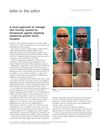
March 2012 in “Annals of oncology” New treatment with green tea polyphenols and nicotinamide improves skin problems from cancer therapy.
 August 2021 in “Research Square (Research Square)”
 Borneol Essential Oil could be a natural and safe acne treatment.
10 citations
,
November 2023 in “European Journal of Lipid Science and Technology” Walnut extract may help lower cholesterol and inflammation.
 74 citations
,
August 2006 in “Journal of clinical gastroenterology”
74 citations
,
August 2006 in “Journal of clinical gastroenterology” Shen-Min, a hair growth supplement, likely caused acute hepatitis in a woman, improving after she stopped taking it.
 12 citations
,
June 2011 in “Han-guk sikpum gwahakoeji/Han'gug sigpum gwahag hoeji/Han-guk sikpum gwahak hoeji”
12 citations
,
June 2011 in “Han-guk sikpum gwahakoeji/Han'gug sigpum gwahag hoeji/Han-guk sikpum gwahak hoeji” Lactobacillus plantarum-fermented plant extracts promote hair growth and thickness.
 January 2024 in “Journal of applied biological chemistry”
 Glehnia littoralis and Andrographis paniculata extracts can significantly boost hair growth.
4 citations
,
August 2023 in “Journal of Cosmetic Dermatology” Gynostemma pentaphyllum extract may help grow hair and prevent graying.
 11 citations
,
December 2020 in “Notulae botanicae Horti Agrobotanici Cluj-Napoca”
11 citations
,
December 2020 in “Notulae botanicae Horti Agrobotanici Cluj-Napoca” Mycorrhizal fungi and shading improve tea plant growth and nutrient uptake by changing hormone levels and gene expression.
Waru leaf creambath can speed up hair growth in rabbits, especially at 37.5% concentration.
 3 citations
,
June 2017 in “Journal of Biomaterials Applications”
3 citations
,
June 2017 in “Journal of Biomaterials Applications” Keratin extract from human hair was found to promote hair growth in mice.
 2 citations
,
January 2018 in “International Journal of ChemTech Research”
2 citations
,
January 2018 in “International Journal of ChemTech Research” The two Eclipta alba varieties can be distinguished by their chemical differences.
 7 citations
,
December 2021 in “Annals of Phytomedicine An International Journal”
7 citations
,
December 2021 in “Annals of Phytomedicine An International Journal” Silver nanoparticles from Laurus nobilis leaves may be a new, safer antiarthritic treatment.
Henna extracts effectively fight fungi.
1 citations
,
September 2008 The herbal extract promoted faster hair regrowth in mice.
14 citations
,
January 2020 in “Evidence-based Complementary and Alternative Medicine” A peptide from fermented Trapa japonica fruit may help reduce skin aging.
 69 citations
,
December 2011 in “Journal of Ethnopharmacology”
69 citations
,
December 2011 in “Journal of Ethnopharmacology” Some Thai plants, especially Carthamus tinctorius, could help prevent hair loss and promote hair growth without adverse effects.