20 citations
,
January 1995 in “Cells tissues organs” Changing light periods synchronized wool growth cycles in sheep.
2 citations
,
August 2022 in “Animals” Different versions of the KRTAP6-2 gene in goats can lead to thinner cashmere fibers.
 4 citations
,
July 2014 in “Journal of Investigative Dermatology”
4 citations
,
July 2014 in “Journal of Investigative Dermatology” Old people have less hair because their hair follicles don't regenerate as well, not because of fewer stem cells, and a protein called follistatin might help reactivate hair growth.
Trichotillometry can measure hair plucking force, aiding alopecia treatment evaluation.
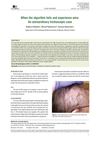 January 2026 in “Forum Dermatologicum”
 Thorough hair examination is crucial for accurate diagnosis and treatment.
 April 2025 in “Egyptian Journal of Medical Research”
 People with Telogen Effluvium have lower vitamin D levels.
 2 citations
,
July 2010 in “Clinical and Experimental Dermatology”
2 citations
,
July 2010 in “Clinical and Experimental Dermatology” Delaying hair loss treatment reduces its effectiveness.
 115 citations
,
August 2008 in “The Journal of Clinical Endocrinology & Metabolism”
115 citations
,
August 2008 in “The Journal of Clinical Endocrinology & Metabolism” Thyroid hormones help hair grow, reduce hair loss, and increase hair pigment.
2 citations
,
June 1994 in “Der Hautarzt” DNA-flowcytometry is a reliable method to evaluate hair growth in androgenetic alopecia.
1 citations
,
April 2007 in “PubMed” Tacrolimus helps mice grow hair by activating hair follicles.
 3 citations
,
July 2021 in “Life science alliance”
3 citations
,
July 2021 in “Life science alliance” PNKP is essential for keeping adult mouse progenitor cells healthy and growing normally.
 February 2025 in “Journal of Clinical Investigation”
 RNase L hinders hair growth by altering immune signals.
7 citations
,
December 2019 in “Experimental and Therapeutic Medicine” WNT10B affects hair growth by altering gene activity in hair cells.
26 citations
,
February 2021 in “FEBS Journal” Targeting regulatory T cells may help treat age-related diseases.
 13 citations
,
May 2022 in “Cell discovery”
13 citations
,
May 2022 in “Cell discovery” The study found new details about human hair growth and suggests that preventing a specific biological pathway could potentially treat hair graying.
11 citations
,
March 2021 in “The journal of investigative dermatology/Journal of investigative dermatology” A gene mutation causes early keratinocyte maturation leading to hair loss in Olmsted syndrome.
 September 2017 in “Journal of Investigative Dermatology”
 Hair follicle cells change their DNA packaging during growth cycles and when grown in the lab.
 42 citations
,
July 2012 in “PLOS ONE”
42 citations
,
July 2012 in “PLOS ONE” Estrogen can temporarily slow down hair growth but this can be reversed.
 January 2013 in “Jaypee Brothers Medical Publishers (P) Ltd. eBooks”
 Telogen effluvium is a condition that causes temporary hair loss.
 December 2017 in “bioRxiv (Cold Spring Harbor Laboratory)”
 Endoglin is important for proper hair growth cycles and stem cell activation in hair follicles.
 January 2025 in “British Journal of Dermatology”
 Long scalp hair evolved for cooling and social signaling.
 12 citations
,
October 2004 in “Experimental Gerontology”
12 citations
,
October 2004 in “Experimental Gerontology” Changes in testosterone and estrogen receptor genes can affect how men age, influencing body fat, hair patterns, and possibly leading to skin disorders.
 6 citations
,
April 1996 in “Journal of histochemistry and cytochemistry/The journal of histochemistry and cytochemistry”
6 citations
,
April 1996 in “Journal of histochemistry and cytochemistry/The journal of histochemistry and cytochemistry” TGF-alpha is present in sheep and ferret skin and may affect hair growth without directly stimulating cell proliferation.
2 citations
,
February 2025 in “PLoS ONE” Key proteins influence wool quality by affecting hair follicle development in sheep.
 1 citations
,
December 2022 in “Animals”
1 citations
,
December 2022 in “Animals” Blocking miR-27a increases sheep hair follicle stem cell growth and decreases cell death, which could help improve wool quality and treat hair loss.
 1 citations
,
August 1994 in “Journal of Cutaneous Pathology”
1 citations
,
August 1994 in “Journal of Cutaneous Pathology” Hair loss happens due to faster cell growth and fewer cells in affected follicles.
45 citations
,
August 2023 in “Trends in Cell Biology” Controlling cellular changes can enable safe rejuvenation without cancer risk.
 February 2023 in “Scientific Reports”
 Cold Atmospheric Microwave Plasma (CAMP) helps hair cells grow and could potentially treat hair loss.
 March 2023 in “International Journal of Biomedicine”
 Hair loss from Telogen Effluvium can be managed by treating the underlying cause and may improve with treatments like minoxidil.
2 citations
,
April 2022 in “Biomedicines” Low-frequency electromagnetic fields may help hair growth by affecting certain growth-related molecules.