3 citations
,
January 2020 in “International journal of trichology” Congenital triangular alopecia is a hair loss condition present from birth or early childhood with no effective treatment needed.
August 2025 in “Cosmetics” Cosmeceuticals like sunscreens may trigger frontal fibrosing alopecia, but more research is needed.
9 citations
,
January 2022 in “Biology” Male mice are more susceptible to autism-like changes from valproic acid than female mice.
 9 citations
,
January 2020 in “Postepy Dermatologii I Alergologii”
9 citations
,
January 2020 in “Postepy Dermatologii I Alergologii” Frontal fibrosing alopecia is a poorly understood condition with increasing cases and unclear treatment effectiveness.
 2 citations
,
February 2021 in “The Journal of clinical and aesthetic dermatology”
2 citations
,
February 2021 in “The Journal of clinical and aesthetic dermatology” Understanding the cause of bitemporal hair loss is key to deciding the right treatment.
 3 citations
,
February 2022 in “Dermatology practical & conceptual”
3 citations
,
February 2022 in “Dermatology practical & conceptual” The study concludes that early diagnosis of Frontal Fibrosing Alopecia is important, as it is often found in postmenopausal women, may be related to Lichen Planopilaris, and eyebrow hair loss is a common sign.
 12 citations
,
January 2016 in “Skin appendage disorders”
12 citations
,
January 2016 in “Skin appendage disorders” Repeated botulinum toxin injections for forehead wrinkles may cause hairline recession in some women.
 32 citations
,
September 2017 in “Journal of the American Academy of Dermatology”
32 citations
,
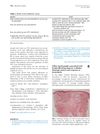
September 2017 in “Journal of the American Academy of Dermatology” Oral isotretinoin effectively treats yellow facial papules in frontal fibrosing alopecia patients.
 5 citations
,
April 2019 in “Journal of The American Academy of Dermatology”
5 citations
,
April 2019 in “Journal of The American Academy of Dermatology” Frontal Fibrosing Alopecia may be a complex condition linked to hormonal changes in women, not just a form of Lichen Planopilaris.
 8 citations
,
September 2011 in “European Journal of Dermatology”
8 citations
,
September 2011 in “European Journal of Dermatology” Most treatments for Frontal Fibrosing Alopecia are ineffective, but early anti-inflammatory therapy may help and the condition may stabilize over time.
 May 2026 in “Scholars Journal of Medical Case Reports”
 Intralesional betamethasone and oral hydroxychloroquine improved hair loss in a woman with frontal fibrosing alopecia.
 33 citations
,
January 2010 in “Case reports in dermatology”
33 citations
,
January 2010 in “Case reports in dermatology” Dermoscopy helps diagnose frontal fibrosing alopecia by distinguishing it from other hair loss conditions.
 17 citations
,
October 2017 in “Journal of Cutaneous Medicine and Surgery”
17 citations
,
October 2017 in “Journal of Cutaneous Medicine and Surgery” No treatment has been proven to effectively stop hair loss or regrow hair in Frontal Fibrosing Alopecia, and more research is needed.
 9 citations
,
January 2018 in “Journal of the European Academy of Dermatology and Venereology”
9 citations
,
January 2018 in “Journal of the European Academy of Dermatology and Venereology” A male patient developed frontal fibrosing alopecia after antiandrogen therapy for prostate cancer.
 June 2022 in “Revista del Hospital Italiano de Buenos Aires”
 A rare case of a man having both frontal fibrosing alopecia and vitiligo was reported.
 9 citations
,
April 2000 in “Plastic and Reconstructive Surgery”
9 citations
,
April 2000 in “Plastic and Reconstructive Surgery” The document concludes that appearance can be significantly improved after one hair restoration correction procedure, but often multiple operations are needed for the best results.
 26 citations
,
August 2016 in “Actas Dermo-Sifiliográficas”
26 citations
,
August 2016 in “Actas Dermo-Sifiliográficas” Frontal Fibrosing Alopecia in men is often missed and can come with symptoms like facial bumps and hair loss on eyebrows and limbs.
 8 citations
,
November 2018 in “Australasian Journal of Dermatology”
8 citations
,
November 2018 in “Australasian Journal of Dermatology” Frontal fibrosing alopecia in families shows similar signs to individual cases and may have a genetic link.
 5 citations
,
June 2016 in “Dermatologic Surgery”
5 citations
,
June 2016 in “Dermatologic Surgery” Hair restoration for East Asians should consider their unique characteristics like head shape, hair thickness, and hair density, and use modified procedures and treatments to minimize scarring and maintain hair density.
 2 citations
,
June 2026 in “Frontiers in Science”
2 citations
,
June 2026 in “Frontiers in Science” Regulatory T cells help control the immune system and could lead to new treatments for diseases.
332 citations
,
June 1994 in “Archives of Dermatology” Postmenopausal frontal fibrosing alopecia may be a unique condition linked to postmenopausal changes.
2 citations
,
January 2019 in “Skin appendage disorders” Early diagnosis and quick treatment improve life quality for FFA patients.
4 citations
,
December 2020 Methotrexate may help stabilize frontal fibrosing alopecia.
April 2025 in “Australasian Journal of Dermatology” Daughters with affected mothers may develop frontal fibrosing alopecia early.
January 2014 in “Jaypee Brothers Medical Publishers (P) Ltd. eBooks” Androgenetic alopecia is the most common cause of hair loss, affecting both men and women, with varying patterns and prevalence among different races.
1 citations
,
July 2024 in “Journal of Plastic Reconstructive & Aesthetic Surgery” Estrogen therapy can help stabilize the hairline in transfeminine individuals.
 January 2025 in “Indian Journal of Dermatology”
 Frontal fibrosing alopecia is a challenging hair loss condition with no known cause or definitive treatment.
 1 citations
,
May 2018 in “Hair transplant forum international”
1 citations
,
May 2018 in “Hair transplant forum international” Hair transplant techniques and scalp micropigmentation can effectively hide scars and hair loss after cranial surgery.
 11 citations
,
January 2022 in “Journal der Deutschen Dermatologischen Gesellschaft”
11 citations
,
January 2022 in “Journal der Deutschen Dermatologischen Gesellschaft” Alopecia areata is a chronic condition causing hair loss, with new treatments targeting the immune system showing promise.
 33 citations
,
August 2013 in “British Journal of Dermatology”
33 citations
,
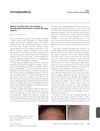
August 2013 in “British Journal of Dermatology” Lack of small, fine hair on the front hairline is a key sign of frontal fibrosing alopecia.