2 citations
,
July 2023 in “AACE Clinical Case Reports” Ovarian vein sampling can effectively locate ovarian tumors when imaging is unclear.
April 2026 in “BMJ Case Reports” Leydig cell tumors can cause high testosterone in women and are treated by removing the ovaries.
 September 2024 in “Brazilian Journal of Case Reports”
 Clomiphene testing can help find ovarian causes of high testosterone in postmenopausal women.
 32 citations
,
November 1996 in “International Journal of Dermatology”
32 citations
,
November 1996 in “International Journal of Dermatology” Antiandrogens can help treat skin conditions like acne and excessive hair in women when used carefully.
 5 citations
,
January 2017 in “Acta Endocrinologica”
5 citations
,
January 2017 in “Acta Endocrinologica” High androgen levels in postmenopausal women may suggest an ovarian tumor, and removing it can improve heart and metabolic health.
 October 2024 in “Journal of the Endocrine Society”
 Surgical removal of a rare ovarian tumor improved symptoms and hormone levels in a postmenopausal woman.
 October 2023 in “Journal of the Endocrine Society”
 The document concludes that doctors should thoroughly check postmenopausal women with sudden increased male traits for rare conditions like androgen-producing endometrial cancer.
1 citations
,
July 2022 in “BMC Women s Health” An ovarian tumor can cause high male hormones in postmenopausal women.
 December 2022 in “Journal of Medical Case Reports”
 A 20-year-old woman was found to have a rare ovarian tumor causing symptoms like acne and a low-pitched voice, which disappeared after the tumor was removed.
 989 citations
,
August 2007 in “The Lancet”
989 citations
,
August 2007 in “The Lancet” PCOS is a complex condition with major health impacts, needing more research for better diagnosis and treatment.
 20 citations
,
October 2017 in “Clinical Endocrinology”
20 citations
,
October 2017 in “Clinical Endocrinology” The conclusion is that removing both ovaries is the best treatment for excess male hormones in postmenopausal women, with medication as another option, and managing insulin resistance is important for diagnosis and treatment.
 14 citations
,
July 1987 in “Dermatologic Clinics”
14 citations
,
July 1987 in “Dermatologic Clinics” The document concludes that treating female hair loss should target reducing excess androgen and blocking its effects on hair follicles, with the best treatments being hormonal therapy, adrenal suppression, and topical minoxidil.
 195 citations
,
May 2003 in “Obstetrics and gynecology (New York. 1953. Online)/Obstetrics and gynecology”
195 citations
,
May 2003 in “Obstetrics and gynecology (New York. 1953. Online)/Obstetrics and gynecology” Most women with excess hair growth have an underlying hormonal issue, often treated with medication and hair removal methods.
 85 citations
,
June 2006 in “Best Practice & Research Clinical Endocrinology & Metabolism”
85 citations
,
June 2006 in “Best Practice & Research Clinical Endocrinology & Metabolism” The document concludes that hirsutism is the main sign for diagnosing hyperandrogenism, which requires a detailed patient history and physical exam.
 63 citations
,
March 2011 in “Clinical Endocrinology”
63 citations
,
March 2011 in “Clinical Endocrinology” Evaluate postmenopausal women with high androgen levels using medical history, physical exams, lab tests, and imaging to manage health risks.
 3 citations
,
November 2005 in “Women's health”
3 citations
,
November 2005 in “Women's health” Excessive body hair in women can be caused by various conditions and treated with medication like Diane® 35 or androgen blockers.
 1 citations
,
January 2006
1 citations
,
January 2006 Hirsutism is mainly caused by high androgen levels or sensitivity, with PCOS being the most common cause.
March 2026 in “JCEM Case Reports” Surgery removed ovarian tumors, normalizing testosterone and improving symptoms.
 January 2023 in “Archives of Disease in Childhood Education & Practice”
 Hirsutism in teens is often due to polycystic ovarian syndrome and needs careful assessment and support.
October 2016 in “Journal of Case Reports” A rare ovarian tumor can occur without causing male-like symptoms.
 2 citations
,
August 2011 in “Revista Medica De Chile”
2 citations
,
August 2011 in “Revista Medica De Chile” A postmenopausal woman's high testosterone levels and symptoms improved after removing a tumor from her ovary.
June 2020 in “AACE clinical case reports” A woman's severe male hormone excess was caused by a small, hard-to-find ovarian tumor.
 9 citations
,
April 2015 in “Dermatologic Therapy”
9 citations
,
April 2015 in “Dermatologic Therapy” Hormonal therapies, like flutamide and cyproterone acetate, are safe and effective for treating adult women's acne, especially those with hormone imbalance or resistant acne.
 9 citations
,
November 2013 in “Presse Medicale”
9 citations
,
November 2013 in “Presse Medicale” The document concludes that managing female hyperandrogenism requires a combination of identifying the cause, lifestyle changes, medication, and cosmetic treatments.
 1 citations
,
September 2023 in “JCEM case reports”
1 citations
,
September 2023 in “JCEM case reports” GnRH analogues are effective for diagnosing and treating female androgen excess, offering a non-surgical option.
 August 2025 in “Endokrynologia Polska”
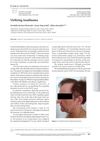
 A rare pancreatic tumor caused a woman's male-like features, treated successfully with surgery and medication.
April 2020 in “Journal of the Endocrine Society” A rare ovarian tumor caused high male hormone levels, but surgery fixed it.
 54 citations
,
April 2010 in “Baillière's best practice and research in clinical endocrinology and metabolism/Baillière's best practice & research. Clinical endocrinology & metabolism”
54 citations
,
April 2010 in “Baillière's best practice and research in clinical endocrinology and metabolism/Baillière's best practice & research. Clinical endocrinology & metabolism” Impaired androgen production in 46,XY DSDs causes ambiguous genitalia and requires long-term care.
 1540 citations
,
October 2008 in “Fertility and Sterility”
1540 citations
,
October 2008 in “Fertility and Sterility” The report concludes that PCOS is mainly a condition of excess male hormones and its definition may change as new information is discovered.
 220 citations
,
August 1988 in “Clinical endocrinology”
220 citations
,
August 1988 in “Clinical endocrinology” Melatonin may help with sleep issues, depression, and cancer, but more research is needed.