 June 2026 in “Frontiers in Cell and Developmental Biology”
 LHX2 is crucial for development, tissue repair, and preventing diseases.
 April 2026 in “Frontiers in Immunology”
 Certain genes may be linked to autoimmune conditions in people with alopecia areata.
 February 2026 in “Medicina”
 Hyaluronic Acid Profhilo® reduces skin inflammation and nerve-related pain in atopic dermatitis.
January 2026 in “Clinical Journal for Nurse Practitioners in Women s Health” Pregnancy can cause skin changes, some harmless and others risky, needing careful management.
November 2025 in “Advanced Healthcare Materials” Bioprinting is improving skin models for better testing of skin diseases without using animals.
 October 2025 in “International Wound Journal”
 Gamma-irradiated amniotic fluid improves healing and reduces thickness of hypertrophic scars.
August 2025 in “American Journal of Dermatopathology” Accurate diagnosis and personalized treatment are crucial in dermatopathology.
 July 2025 in “Clinical Cosmetic and Investigational Dermatology”
 Major depression disorder increases the risk of alopecia areata, and vice versa.
February 2025 in “Biochemistry” Stem cell therapy shows promise for treating skin disorders.
 January 2025 in “International Journal of Molecular Sciences”
 Psoriasis involves immune and genetic factors, and understanding these can improve treatments.
 January 2025 in “Frontiers in Pediatrics”
 Baricitinib significantly improved hair regrowth and skin condition in a 14-year-old with alopecia areata and atopic dermatitis.
 December 2024 in “Pharmaceutics”
 Extracellular vesicles show promise for treating psoriasis by reducing inflammation and skin lesions.
August 2024 in “International Journal of Molecular Sciences” Mesenchymal Stem Cell therapy shows promise for treating hair loss in Alopecia Areata.
 August 2024 in “Indian Journal of Skin Allergy”
 Stem-cell therapy shows promise for skin conditions but needs more research.
 May 2024 in “European Journal of Immunology”
 Vitamin B5 and coenzyme A may help regulate the immune system and could improve treatments for chronic diseases and cancer.
 November 2023 in “ACS Omega”
 New liposome treatment successfully delivers CRISPR to deactivate a key enzyme in androgen-related disorders.
 July 2023 in “Stem Cells Translational Medicine”
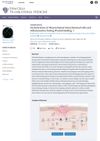
 Mesenchymal Stem/Stromal Cells (MSCs) help in wound healing and tissue regeneration, but can also contribute to tumor growth. They show promise in treating chronic wounds and certain burns, but their full healing mechanisms and potential challenges need further exploration.
 December 2022 in “Dermatology and Therapy”
 Alopecia areata needs more recognition and better treatment access in Latin America to improve patient care and outcomes.
 June 2022 in “Frontiers in Medicine”
 Acupuncture and moxibustion may help treat hair loss, but more research is needed.
 March 2022 in “Wound practice & research”
 New treatments for alopecia areata show promise, but standardized guidelines are needed.
May 2000 in “Journal of Investigative Dermatology” Hedgehog signaling is crucial for hair development, cadherins affect cell adhesion, neutrophils play a role in skin lesions, and BP230 autoantibodies impact skin stability.
40 citations
,
October 2012 in “Dermatologic clinics” More research is needed to understand the genetic causes of Alopecia areata to develop better treatments.
 15 citations
,
April 2022 in “Immunology”
15 citations
,
April 2022 in “Immunology” Men and women get COVID-19 at similar rates, but men tend to get sicker and have a higher risk of dying, while women usually have stronger immune responses and vaccine reactions.
8 citations
,
June 2021 in “Frontiers in Medicine” The combination of the excimer lamp and liquor carbonis detergens is more effective for scalp psoriasis than the lamp alone.
6 citations
,
June 2024 in “Skin Appendage Disorders” Alopecia areata is linked to PTSD, alcohol use, anxiety, and depression.
January 2026 in “Journal of Dermatology Research and Therapy” Combination therapy effectively regrows hair and reduces severity in Black children with stubborn Alopecia Areata.
848 citations
,
October 2020 in “International Journal of Molecular Sciences” PRP shows promise in treating joint and spine issues, but translating lab results to humans is challenging.
365 citations
,
November 2018 in “Journal of Allergy and Clinical Immunology” People with atopic dermatitis have different skin bacteria, and targeting these bacteria might help treat the condition.
353 citations
,
November 2014 in “Molecular immunology” Porcine skin is very similar to human skin, making it a useful model for research.
290 citations
,
August 2021 in “Clinical Reviews in Allergy & Immunology” JAK inhibitors show promise for treating alopecia areata, but more research is needed.