 1 citations
,
January 2023 in “International Journal of Molecular Sciences”
1 citations
,
January 2023 in “International Journal of Molecular Sciences” Understanding how Regulatory T Cells work could help create treatments for certain skin diseases and cancers.
 1 citations
,
June 2023 in “Journal of Dermatology”
1 citations
,
June 2023 in “Journal of Dermatology” People with Alopecia Areata are more likely to have autoimmune diseases, inflammatory diseases, and mental health issues like anxiety and depression.
 February 2026 in “International Journal of Molecular Sciences”
 Combining hyperthermia with natural compounds and conventional treatments improves cancer therapy effectiveness and reduces side effects.
 February 2026 in “International Journal of Molecular Sciences”
 Extracellular vesicles show promise for medical use but face challenges in standardization and safety.
February 2026 in “Exploration” Advancements in gene therapy, stem cells, and biomaterials show promise for reducing scarring in wound healing, but face clinical challenges.
February 2025 in “Biochemistry” Stem cell therapy shows promise for treating skin disorders.
April 2024 in “International journal of molecular sciences” Combination pharmacotherapy is generally more effective for treating keloids and hypertrophic scars.
April 2024 in “International journal of molecular sciences” Light-based treatment, Photobiomodulation, shows promise for non-invasive skin therapy with few side effects.
 October 2023 in “Biomaterials”
 Nanotechnology could improve hair regrowth but faces challenges like complexity and safety concerns.
 August 2023 in “Dermatology and Therapy”
 Imiquimod can cause rare skin side effects, some irreversible, and long-term follow-up is important for users.
November 2025 in “Journal of Clinical Medicine” Alopecia areata patients should have eye check-ups due to increased risk of eye problems.
July 2025 in “Nano Research” Nanotechnology can improve tissue healing by controlling immune responses.

Advancements in diagnostics, treatments, and technology have improved hair loss detection and restoration, with some types being reversible.
 August 2024 in “Indian Journal of Skin Allergy”
 Stem-cell therapy shows promise for skin conditions but needs more research.
April 2024 in “Cosmetics” Wigs help improve self-esteem and quality of life for people with hair loss from alopecia areata.
February 2024 in “International journal of molecular sciences” Type 3 Innate Lymphoid Cells help maintain skin health and balance, and are involved in skin diseases and healing.
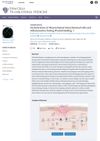 July 2023 in “Stem Cells Translational Medicine”
 Mesenchymal Stem/Stromal Cells (MSCs) help in wound healing and tissue regeneration, but can also contribute to tumor growth. They show promise in treating chronic wounds and certain burns, but their full healing mechanisms and potential challenges need further exploration.
 38 citations
,
January 2019 in “International Journal of Women's Dermatology”
38 citations
,
January 2019 in “International Journal of Women's Dermatology” The document concluded that more research is needed to find the best treatment for Frontal fibrosing alopecia.
20 citations
,
February 2004 in “Clinical & Experimental Immunology” SADBE treatment led to complete hair regrowth in mice with alopecia areata by altering immune cell movement.
 15 citations
,
July 2021 in “Bosnian Journal of Basic Medical Sciences”
15 citations
,
July 2021 in “Bosnian Journal of Basic Medical Sciences” Stem cell therapy is promising for treating various health conditions, but more research is needed to understand its full potential and address challenges.
 12 citations
,
August 2022 in “Biochemical Journal”
12 citations
,
August 2022 in “Biochemical Journal” Different types of cell death affect skin health and inflammation, and understanding them could improve treatments for skin diseases.
6 citations
,
January 2024 in “Cancers” Antiandrogens don't help with COVID-19 and aren't recommended.
37 citations
,
December 2001 in “Journal of Investigative Dermatology” Leptin may play a role in hair growth and hair follicle health.
2 citations
,
August 2023 in “Molecules” SH-340 may improve skin barrier and help treat atopic dermatitis.
2 citations
,
May 2025 in “Journal of Clinical Medicine” Upadacitinib is safe and effective for treating alopecia areata and atopic dermatitis in children.
August 2025 in “JEADV Clinical Practice” Dupilumab successfully treated a woman's alopecia areata and bullous pemphigoid, leading to full hair regrowth and symptom resolution.
September 2024 in “Preprints.org” Hair protects the scalp from skin cancer by aiding immune defense.
 2 citations
,
November 2024 in “Clinical Cosmetic and Investigational Dermatology”
2 citations
,
November 2024 in “Clinical Cosmetic and Investigational Dermatology” Higher BMI may increase the risk of psoriasis and some other skin diseases.
 16 citations
,
January 2021 in “Dermatology and therapy”
16 citations
,
January 2021 in “Dermatology and therapy” An imbalance in gut bacteria is linked to skin immune diseases and may affect their outcomes and related health issues.

Gender-specific analysis could improve treatment for childhood systemic lupus erythematosus.