September 2011 in “대한미용학회지” Bear oil promotes hair growth and increases hair density.
 January 2026 in “RIGGS Journal of Artificial Intelligence and Digital Business”
 The cream with turmeric and ginger extracts can potentially reduce underarm hair growth effectively.
July 2025 in “Journal of Investigative Dermatology” Androgens reduce THY1 in skin cells, leading to less fat, more fibrosis, and worse healing in males.
 22 citations
,
January 1968 in “THE JOURNAL OF VITAMINOLOGY”
22 citations
,
January 1968 in “THE JOURNAL OF VITAMINOLOGY” α-Tocopheryl acetate is well absorbed through healthy skin.
Apeiba tibourbou seed oil has analgesic and anti-inflammatory effects, making it potentially useful for food and medicine.
 21 citations
,
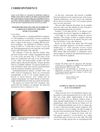
January 2005 in “Pediatric Dermatology”
21 citations
,
January 2005 in “Pediatric Dermatology” An 8-year-old girl with vitiligo developed extra hair growth on her knee after using tacrolimus ointment.
1 citations
,
September 2025 in “Plant Science Today” The herbal mix of hibiscus and vitex shows promise for treating autoimmune diseases due to its effectiveness and low toxicity.
 7 citations
,
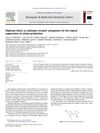
April 2009 in “Bioorganic & Medicinal Chemistry Letters”
7 citations
,
April 2009 in “Bioorganic & Medicinal Chemistry Letters” Diphenyl ethers can potentially reduce excess oil production when applied on the skin, helping treat conditions like acne.
 34 citations
,
December 2009 in “The International Journal of Developmental Biology”
34 citations
,
December 2009 in “The International Journal of Developmental Biology” Too much thymosin beta4 causes weird teeth and more hair growth in mice.
35 citations
,
April 2024 in “Life” Bee venom, fig, and geranium oil can effectively treat skin conditions and are safer alternatives to some conventional drugs.
15 citations
,
September 2018 in “Applied Biological Chemistry” Matrigel supports cell growth and repair, and thymosin beta 4 aids tissue regeneration and healing.
 11 citations
,
March 2009 in “Bioorganic & Medicinal Chemistry Letters”
11 citations
,
March 2009 in “Bioorganic & Medicinal Chemistry Letters” Chemicals called 4-(alkylthio)- and 4-(arylthio)-benzonitrile derivatives can potentially reduce oil production on skin, which could help treat conditions like acne and hair loss.
June 2021 in “SWU eJournals System (Srinakharinwirot University)” Mixed coconut oil/solvent is suitable for cyproterone acetate injections, but more safety checks are needed.
Thymosin β4 helps heal corneal wounds.
9 citations
,
October 1947 in “The Lancet” 1 citations
,
November 1947 in “The Lancet”  14 citations
,
May 2019 in “Experimental Dermatology”
14 citations
,
May 2019 in “Experimental Dermatology” Fat tissue extract may help treat vitiligo by reducing cell stress and promoting skin repair.
 8 citations
,
November 2024 in “Scientific Reports”
8 citations
,
November 2024 in “Scientific Reports” Oven drying at 30°C gives the best essential oil yield and antioxidant activity for Hedychium spicatum rhizomes.
 1 citations
,
March 2016 in “Journal of Investigative Cosmetology”
1 citations
,
March 2016 in “Journal of Investigative Cosmetology” Lavender oil promotes hair growth in mice.
 2 citations
,
January 2016 in “Skin pharmacology and physiology”
2 citations
,
January 2016 in “Skin pharmacology and physiology” Caragana korshinskii seed oil effectively treats fungal skin infections.

Ozonized sunflower oil effectively heals small animal wounds and promotes hair growth.
 54 citations
,
January 2013 in “BMC Complementary and Alternative Medicine”
54 citations
,
January 2013 in “BMC Complementary and Alternative Medicine” Thuja orientalis hot water extract may help hair grow by starting the growth phase and improving hair follicle development.
 November 2024 in “Indian Journal of Animal Health”
 The dog's skin condition improved after treatment for hypothyroidism.
 4 citations
,
November 2023 in “Biological and Pharmaceutical Bulletin”
4 citations
,
November 2023 in “Biological and Pharmaceutical Bulletin” The serum reduced thigh fat and improved skin firmness.
 2 citations
,
December 2021 in “ScienceRise”
2 citations
,
December 2021 in “ScienceRise” The best way to extract oil from Urtica dioica roots is by using corn oil, a 1:5 ratio of raw material to extract, extracting for 6 hours, and using the maceration method.
 August 2021 in “Research Square (Research Square)”
 Borneol Essential Oil could be a natural and safe acne treatment.
5 citations
,
February 2022 in “Stem cell reports” Thymic stromal lymphopoietin (TSLP) promotes hair growth, especially after skin injury.
 March 2024 in “Journal of biobased materials and bioenergy”
 Tea tree oil may help treat scalp alopecia by promoting hair follicle stem cell growth.
 1 citations
,
September 2017 in “Journal of Investigative Dermatology”
1 citations
,
September 2017 in “Journal of Investigative Dermatology” Backhousia citriodora leaf extract effectively reduces oily skin across different ethnic groups.
17 citations
,
September 2024 in “Cosmetics” Cold-pressed plant oils have valuable natural antioxidants and skin care benefits.