 December 2023 in “International journal of multidisciplinary research and analysis”
 SH-MSCs gel reduced IL-6 and increased TGF-β, suggesting it could treat alopecia.
March 2026 in “Journal of the American Academy of Dermatology” A holistic approach, including diet and stress management, may improve androgenetic alopecia treatment outcomes.
 67 citations
,
April 2018 in “JAMA Dermatology”
67 citations
,
April 2018 in “JAMA Dermatology” Hair loss from hormone therapy in breast cancer patients can be improved with minoxidil treatment.
 23 citations
,
December 1995 in “Archives of Dermatology”
23 citations
,
December 1995 in “Archives of Dermatology” Combination therapy improves hair growth in advanced hair loss.
 20 citations
,
January 2018 in “Expert Opinion on Drug Safety”
20 citations
,
January 2018 in “Expert Opinion on Drug Safety” Personalized treatment with inhibitors, minoxidil, and laser therapy helps hair loss.
 3 citations
,
March 2014 in “Annals of Hepatology”
3 citations
,
March 2014 in “Annals of Hepatology” A man lost all his hair after stopping hepatitis C treatment and it didn't grow back.
 2 citations
,
October 2021 in “Exploration of targeted anti-tumor therapy”
2 citations
,
October 2021 in “Exploration of targeted anti-tumor therapy” Breast cancer hormone therapy can cause hair loss, which can be treated with daily applications of specific topical solutions like minoxidil and hydrocortisone butyrate.
 April 2024 in “Dermatology and therapy”
 There are significant gaps and inconsistencies in diagnosing and treating alopecia areata in Greece and Italy.
 January 2015 in “Our Dermatology Online”
 Intralesional triamcinolone is the most effective treatment for hair regrowth in alopecia areata patients.
 March 2014 in “Journal of The American Academy of Dermatology”
 Azathioprine may be an effective treatment for severe hair loss.
 March 2014 in “Journal of The American Academy of Dermatology”
 A botanical extract may help manage hair loss from chemotherapy by preventing cell death in hair follicles.
52 citations
,
February 2009 in “Journal of the American Academy of Dermatology” A 93-year-old woman developed a rare scalp condition after therapy, which improved with steroids, not antibiotics.
 33 citations
,
April 1990 in “Dermatologic Clinics”
33 citations
,
April 1990 in “Dermatologic Clinics” Minoxidil effectively treats hair loss, with better results in women.
17 citations
,
October 2009 in “Dermatology” Ultraviolet light helped hair growth more effectively than triamcinolone acetonide.
 14 citations
,
January 2014 in “Journal of Cutaneous and Aesthetic Surgery”
14 citations
,
January 2014 in “Journal of Cutaneous and Aesthetic Surgery” Scalp Roller therapy helped improve hair growth in patients with hard-to-treat alopecia areata.
 12 citations
,
June 2005 in “Journal of the European Academy of Dermatology and Venereology”
12 citations
,
June 2005 in “Journal of the European Academy of Dermatology and Venereology” A man with HIV developed skin and hair issues after starting HIV treatment, which improved with topical treatment.
9 citations
,
September 2010 in “Dermatologic therapy” Combining cetirizine and topical steroids can effectively manage severe lichen planus pilaris.
 8 citations
,
March 2020 in “Aesthetic Plastic Surgery”
8 citations
,
March 2020 in “Aesthetic Plastic Surgery” Finasteride and minoxidil together safely and effectively increase hair growth and density for androgenetic alopecia.
5 citations
,
February 1985 in “Archives of Dermatology” Topical minoxidil can help regrow hair in some people.
 2 citations
,
September 2014 in “PubMed”
2 citations
,
September 2014 in “PubMed” Low-level laser or light devices could be a cheaper, side-effect free treatment for hair loss, but more research is needed to confirm their effectiveness.
June 2026 in “Skin Appendage Disorders” Tretinoin may help some who don't respond to minoxidil alone, but it's not a first choice due to possible irritation.
February 2026 in “International Journal of Clinical Dermatology” Alopecia areata in children shows varied forms and treatment challenges, with some achieving full or partial hair regrowth.
April 2024 in “Journal of Pakistan Association of Dermatologists” Adding procapil to minoxidil is more effective for hair loss than using minoxidil alone.
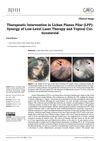 January 2024 in “Brazilian Journal of Hair Health”
 Combining low-level laser therapy with topical corticosteroids effectively improved Lichen Planopilaris symptoms.
 January 2024 in “Journal of Education, Health and Sport”
 Platelet-rich plasma therapy shows promise in treating hair loss caused by androgenic alopecia.
January 2023 in “International Journal of Trichology” Low-level laser therapy is safe but not significantly better than minoxidil alone for hair growth.
December 2022 in “Skin appendage disorders” Combining low-level light therapy with minoxidil helps hair regrowth better than using minoxidil alone, especially early on.
July 2022 in “Hair transplant forum international” PRP therapy and hair transplants can cause rare but treatable scalp hematomas.
June 2022 in “IP Indian journal of clinical and experimental dermatology” Both treatments were equally effective in promoting hair growth.
 October 2017 in “World Academy of Science, Engineering and Technology, International Journal of Medical and Health Sciences”
 Combination therapy with higher concentrations of minoxidil can lead to rapid hair growth in pattern baldness with no significant side effects.