1 citations
,
January 2022 in “Clinical Cases in Dermatology” A woman with CCCA has hair loss due to factors like straighteners and tight hairstyles, and treatments include steroids and avoiding certain hair products.
1 citations
,
January 2013 in “Annals of Dermatology” Naproxen effectively treated a girl's eosinophilic pustular folliculitis when other treatments failed.
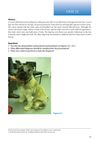 May 2019 in “Small Animal Dermatology”
 The dog had sebaceous adenitis, treated with ciclosporin, leading to some hair regrowth.
 July 2018 in “Elsevier eBooks”
 Lichen Planopilaris is a hair loss condition best treated early with various medications, including hydroxychloroquine, to prevent permanent baldness.
January 1989 in “Handbook of experimental pharmacology” Drugs can change hair growth and this is important because it can upset people.
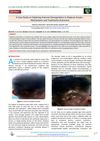 July 2025 in “International Journal of Pharmaceutical Sciences Review and Research”
 Individualized treatment and psychological support improved the patient's quality of life and appearance despite medication side effects.
 August 2024 in “Journal of Clinical Medicine”
 Systemic treatments like hydroxychloroquine and cyclosporine A help with Lichen Planopilaris and Frontal Fibrosing Alopecia, but ongoing treatment is needed.
 August 2023 in “Journal of The American Academy of Dermatology”
 Early treatment is key for permanent hair loss disorders, with options ranging from medications and phototherapy to immunomodulators and antibiotics, depending on severity and type.
 January 2016 in “Kafkas Journal of Medical Sciences”
 Turkish pregnant women commonly experienced skin issues like itching and acne, and doctors mainly used topical treatments due to safety concerns during pregnancy.
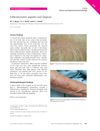 May 2014 in “Clinical and Experimental Dermatology”
 A 70-year-old woman with a rare skin condition improved after treatment with topical steroids and acitretin.
 March 2014 in “Journal of The American Academy of Dermatology”
 Azathioprine may be an effective treatment for severe hair loss.
 February 2013 in “Journal of the American Academy of Dermatology”
 A woman's hair loss looked like a different condition due to her hairstyle, and treatment stopped further hair loss but didn't regrow hair.
 May 2010 in “Journal of the Dermatology Nurses' Association”
 Cicatricial alopecia causes permanent hair loss and is treated to relieve symptoms and stop progression.
 January 2022 in “Clinical Cases in Dermatology”
 A 62-year-old woman with hair loss and scalp itching was diagnosed with lichen planopilaris, treated initially with topical corticosteroids, and other possible treatments include systemic steroids, antimalarials, and more.
 1 citations
,
March 2020 in “Australasian Journal of Dermatology”
1 citations
,
March 2020 in “Australasian Journal of Dermatology” The paper concludes that recognizing bitemporal alopecia areata is important for early treatment and preventing its progression.
 August 1994 in “Drugs & Therapy Perspectives”
 Psoriasis treatments range from topical creams to systemic medications with serious side effects, and while treatments can manage symptoms, there is no cure.
 August 2024 in “Polo del Conocimiento”
 Scalp psoriasis is treated with topical therapies, phototherapy, and systemic medications.
 21 citations
,
January 2013 in “Annals of dermatology/Annals of Dermatology”
21 citations
,
January 2013 in “Annals of dermatology/Annals of Dermatology” The combination of cyclosporine and PUVA might help treat severe alopecia areata.
20 citations
,
January 1995 in “Journal of Dermatological Science” Cyclosporin A and FK506 can start new hair growth without needing immunosuppression.
2 citations
,
January 2002 in “Linchuang pifuke zazhi” Cyclosporine combination therapy can regrow hair in severe alopecia areata but needs careful monitoring for side effects.
 August 1994 in “Journal of dermatological science”
 Cyclosporin A and FK506 can start new hair growth in mice, but ascomycin and rapamycin cannot.
 December 2024 in “PubMed”
 Cyclosporine effectively treated a woman's stubborn skin condition.
54 citations
,
December 2004 in “PubMed” Cyclosporin A vesicles effectively regrow hair and reduce inflammation in alopecia areata.
1 citations
,
July 2022 in “Bali Medical Journal” A combination of cyclosporine and oral corticosteroid successfully regrew hair in a 19-year-old with alopecia universalis.
 October 2018 in “InTech eBooks”
 The most effective treatments for hair loss are minoxidil, finasteride, PRP, and hair transplants, with steroids and immunosuppressants for autoimmune types.
60 citations
,
February 1992 in “British Journal of Dermatology” Serum from alopecia patients does not stop hair growth in grafted skin on mice.
 155 citations
,
June 2009 in “International Journal of Dermatology”
155 citations
,
June 2009 in “International Journal of Dermatology” Lichen planus is a skin condition that can resolve on its own, is linked to hepatitis C, and increases the risk of skin cancer.
 61 citations
,
January 2013 in “Indian Journal of Dermatology, Venereology and Leprology”
61 citations
,
January 2013 in “Indian Journal of Dermatology, Venereology and Leprology” Hair usually grows back 1-3 months after treatment for anagen effluvium, and children with Loose Anagen Hair Syndrome often improve by adolescence.
 18 citations
,
July 2001 in “Australian veterinary journal”
18 citations
,
July 2001 in “Australian veterinary journal” A cat with skin bumps and itching had high blood fats and skin infections, which improved with diet and medication changes.
 6 citations
,
January 2016 in “Springer eBooks”
6 citations
,
January 2016 in “Springer eBooks” Invasomes effectively deliver drugs through the skin and have potential for improved treatments.