 March 2026 in “Plastic and Aesthetic Research”
 Adipose-derived stem cell exosomes can help reduce skin aging from UV exposure.
 March 2026 in “Frontiers in Immunology”
 Regulatory T cells help heal skin wounds by reducing inflammation and promoting tissue repair.
 March 2026 in “Aging Research”
 Personalized anti-aging strategies are important, considering genetics and lifestyle.
 February 2026 in “Ciencia Latina Revista Científica Multidisciplinar”
 Early recognition of skin issues in immunocompromised patients is crucial for better outcomes.
 February 2026 in “BMC Plastic and Reconstructive Surgery”
 Induced pluripotent stem cells could improve chronic wound healing but face safety and effectiveness challenges.
 February 2026 in “Cureus”
 Recognizing and managing skin side effects from chemotherapy improves patient quality of life and treatment success.
 January 2026 in “Quality in Sport”
 Semaglutide may help some skin disorders but can also cause skin issues.
 January 2026 in “International Journal of Dermatology Venereology and Leprosy Sciences”
 Metformin may improve acanthosis nigricans by reducing insulin resistance.

Autologous platelet concentrates help heal and regenerate dental tissues.
 December 2025 in “npj Breast Cancer”
 Capivasertib improves survival in certain breast cancer cases but requires careful management of side effects.
 November 2025 in “Nanoscale Advances”
 Inorganic nanoparticle-based scaffolds can improve wound healing by fighting bacteria and helping tissue grow.
 September 2025 in “Frontiers in Medicine”
 Angiopoietin-1 helps hair cells survive and grow, making it a potential treatment for hair loss.
 October 2024 in “Irish Journal of Medical Science (1971 -)”
 Continuous glucose monitoring and GLP-1 receptor agonists improve diabetes management, but personalized care and education are crucial.

Stem cell therapy shows promise for treating hair loss in androgenetic alopecia.
 July 2024 in “Frontiers in Pharmacology”
 Pilose antler extracts help hair growth by activating hair follicle stem cells.
 May 2024 in “Journal of Education, Health and Sport”
 Current treatments for folliculitis decalvans include antibiotics, isotretinoin, and potential new therapies like botulinum toxin A and PRP.
 January 2024 in “International Journal of Health Science”
 Scalp cooling and low-power light therapy show promise in reducing chemotherapy-induced hair loss but need more research.
 November 2023 in “International Journal of Medical Case Reports and Reviews”
 PRP shows promise in tissue repair but its effectiveness in otolaryngology is still debated.
 October 2023 in “bioRxiv (Cold Spring Harbor Laboratory)”
 Blocking both main energy pathways can stop hair follicle stem cell-induced skin cancer growth.
 February 2023 in “Sibirskij onkologičeskij žurnal”
 Chemotherapy often causes hair loss in cancer patients, affecting their mental health, but scalp cooling can help prevent it.
 October 2022 in “Southeast Asian journal of health professionals”
 Hair greying is seen as a sign of aging; temporary fixes like hair dye are used, but a balanced diet and hair care can help manage it.
 September 2022 in “Institutional Repositories DataBase (IRDB)”
 3D-oxy exosomes may significantly boost hair growth, offering new treatment options for hair loss.
 November 2021 in “Austin therapeutics”
 Current treatments for hair loss from chemotherapy are limited, but new methods are being researched.
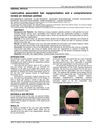
Lamivudine might reverse hair graying and needs more research for potential treatments.

Men's skincare products with essential oils can improve skin health and may increase male interest in cosmetics.
 January 2019 in “Przegląd Dermatologiczny”
 Chemotherapy with docetaxel can cause painful nail and skin side effects that may lead to stopping treatment.
 June 2018 in “Surgical Case Reports”
 S-1 treatment led to a complete response in pancreatic cancer with manageable side effects.
 April 2018 in “The journal of investigative dermatology/Journal of investigative dermatology”
 Androgens increase growth factors in skin cells, which may lead to acne.

Skin stem cells are crucial for maintaining and repairing skin, with potential for treating skin disorders and improving wound healing.
 January 2016 in “Research Explorer (The University of Manchester)”
 Activating the Eda/Edar pathway improves wound healing by enhancing hair follicle growth.