 42 citations
,
March 2006 in “Drug Discovery Today: Therapeutic Strategies”
42 citations
,
March 2006 in “Drug Discovery Today: Therapeutic Strategies” The conclusion is that we need more effective hair loss treatments than the current ones, and these could include new drugs, gene and stem cell therapy, hormones, and scalp cooling, but they all need thorough safety testing.
 20 citations
,
November 2009 in “European Journal of Dermatology”
20 citations
,
November 2009 in “European Journal of Dermatology” Latanoprost, a glaucoma treatment, was found ineffective in treating hair loss in eyebrows and eyelashes.
 1 citations
,
May 2021 in “Revista Eletrônica Acervo Científico”
1 citations
,
May 2021 in “Revista Eletrônica Acervo Científico” The document concludes that more research is needed on treatments for hair loss in both men and women, especially on medication combinations and their benefits.
 October 2021 in “Cosmoderma”
 Hair loss can be managed with treatments like minoxidil, finasteride, and others, but there are still gaps in effectiveness and off-label usage is increasing.
New treatments show promise for hair loss, especially JAK inhibitors for alopecia areata.
 July 2026 in “International Journal of Molecular Sciences”
 Vitiligo treatment is improving with new drugs and therapies, focusing on personalized and combined approaches.
 February 1990 in “Journal of The American Academy of Dermatology”
 New skin treatments in 1987-1988 showed effectiveness for various conditions, but some had side effects or risks.
 5 citations
,
January 2021 in “Journal of Cosmetic Dermatology”
5 citations
,
January 2021 in “Journal of Cosmetic Dermatology” Topical cetirizine 1% promotes hair growth in male androgenetic alopecia patients.
 19 citations
,
November 2011
19 citations
,
November 2011 Using systemic drugs as creams for skin conditions shows promise, but more research is needed to confirm their effectiveness and safety.
 9 citations
,
August 2014 in “European journal of ophthalmology”
9 citations
,
August 2014 in “European journal of ophthalmology” PGF2α receptors in human eyelids are found in specific parts of hair follicles, explaining eyelash changes with glaucoma treatment.
 55 citations
,
March 2009 in “Journal of The American Academy of Dermatology”
55 citations
,
March 2009 in “Journal of The American Academy of Dermatology” Topical latanoprost and bimatoprost eye solutions don't help eyelash growth in people with alopecia areata.
 15 citations
,
May 2017 in “Journal of Dermatological Treatment”
15 citations
,
May 2017 in “Journal of Dermatological Treatment” Latanoprost works better for hair growth, and combining it with betamethasone valerate is most effective.
 6 citations
,
December 2013 in “Journal of Cutaneous Pathology”
6 citations
,
December 2013 in “Journal of Cutaneous Pathology” Certain immune cells are more common on the top of the head and might help predict or treat common hair loss.
 4 citations
,
June 2013 in “Aesthetic Plastic Surgery”
4 citations
,
June 2013 in “Aesthetic Plastic Surgery” Minoxidil improved rat skin flap survival but was less effective than surgical methods.
 2 citations
,
February 2016 in “British Journal of Dermatology”
2 citations
,
February 2016 in “British Journal of Dermatology” Bimatoprost solution 0.03% is effective for treating sparse eyelashes.
 1 citations
,
April 2016 in “Journal of Investigative Dermatology”
1 citations
,
April 2016 in “Journal of Investigative Dermatology” Blocking Prostaglandin D₂ may help treat hair loss.
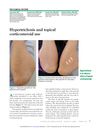 February 2022 in “Cleveland Clinic Journal of Medicine”
 Prolonged use of topical corticosteroids can cause excessive hair growth.
 January 2020 in “Medical Journal of Clinical Trials & Case Studies”
 Topical minoxidil effectively prevents tissue death in certain surgeries.
 20 citations
,
April 2016 in “Journal of Cosmetic Dermatology”
20 citations
,
April 2016 in “Journal of Cosmetic Dermatology” Methyl vanillate spray increases hair count and hair mass in women with hair loss.
 19 citations
,
March 2011 in “Cutaneous and Ocular Toxicology”
19 citations
,
March 2011 in “Cutaneous and Ocular Toxicology” Some chemicals absorbed through the skin can cause serious health problems.
 6 citations
,
January 2023 in “Annals of Dermatology”
6 citations
,
January 2023 in “Annals of Dermatology” The guidelines offer updated treatment recommendations for alopecia areata in Korea using topical and device-based methods.
 July 2024 in “International Journal of Medical Arts”
 Latanoprost is more effective than minoxidil for treating alopecia areata.
 January 2024 in “Dermatology practical & conceptual”
 Atopic dermatitis in kids with alopecia areata can predict poor response to topical immunotherapy.
 205 citations
,
March 2012 in “Science Translational Medicine”
205 citations
,
March 2012 in “Science Translational Medicine” PGD2 stops hair growth and is higher in bald men with AGA.
 68 citations
,
November 2012 in “Journal of Investigative Dermatology”
68 citations
,
November 2012 in “Journal of Investigative Dermatology” Prostaglandin D2 blocks new hair growth after skin injury through the Gpr44 receptor.
 65 citations
,
August 2007 in “Experimental Dermatology”
65 citations
,
August 2007 in “Experimental Dermatology” Human hair follicles can make and process prostaglandins, which may affect hair growth.
 36 citations
,
May 2011 in “Dermatologic therapy”
36 citations
,
May 2011 in “Dermatologic therapy” No treatments fully cure or prevent alopecia areata; some help but have side effects or need more research.
 30 citations
,
September 2003 in “Experimental Dermatology”
30 citations
,
September 2003 in “Experimental Dermatology” Minoxidil helps prevent stress-caused hair loss in mice.
 29 citations
,
April 2019 in “Lasers in Medical Science”
29 citations
,
April 2019 in “Lasers in Medical Science” Laser and minoxidil combo promotes better hair growth than minoxidil alone, safely.
 22 citations
,
October 2019 in “Dermatologic Surgery”
22 citations
,
October 2019 in “Dermatologic Surgery” Both Platelet-Rich Plasma and Minoxidil foam increase hair count in women with hair loss, but Minoxidil is more effective. However, women were more satisfied with Platelet-Rich Plasma treatment.