 48 citations
,
May 2019 in “Genome Biology”
48 citations
,
May 2019 in “Genome Biology” Researchers found that certain RNA circles in the brain are linked to disease risk, but their exact role in disease is still unknown.
January 2026 in “Updates in clinical dermatology” 17 citations
,
March 1994 in “Pediatric Dermatology” Vitiligo and alopecia areata may share common causes.
April 2023 in “Dohuk medical journal” Trichoscopy effectively differentiates Androgenetic Alopecia from Telogen Effluvium.
 April 2026 in “Zenodo (CERN European Organization for Nuclear Research)”
 The model improves understanding of androgen interactions by focusing on signal intensity and system capacity.
13 citations
,
January 2013 in “Indian Journal of Dermatology Venereology and Leprology” Alopecia areata and vitiligo can coexist, respond well to treatment, and may have a better prognosis together.
 April 2017 in “Journal of Investigative Dermatology”
 Deep phenotyping helps distinguish between xeroderma pigmentosum and trichothiodystrophy, aiding in diagnosis and treatment.
1 citations
,
April 2016 in “Journal of Investigative Dermatology” Targeting specific T cells may help treat alopecia areata.
100 citations
,
December 2002 in “Journal of biological chemistry/The Journal of biological chemistry” Researchers mapped and categorized specific keratin-associated protein genes on human chromosome 21q22.1.

Farudodstat can prevent hair follicle immune damage linked to alopecia areata.
2 citations
,
March 2007 in “The journal of investigative dermatology/Journal of investigative dermatology” A new type of hereditary hair loss in a Chinese family is linked to chromosome 2p25.1–2p23.2.
8 citations
,
January 2013 in “Australasian journal of dermatology” Trichodysplasia spinulosa is a rare skin condition caused by a virus, treatable with antiviral medication.
 23 citations
,
September 2019 in “Dermatology practical & conceptual”
23 citations
,
September 2019 in “Dermatology practical & conceptual” The study concluded that AAI and DAA are forms of the same disease, with different symptoms in men and women, and that corticosteroid treatment is effective.
3 citations
,
August 2024 in “Skin Research and Technology” LC-OCT can help identify lupus-related scarring hair loss by spotting unique features.
6 citations
,
April 2012 in “Muscle & nerve” Recognizing the link between certain autoimmune disorders and neurological conditions can improve diagnosis and treatment.
11 citations
,
January 2022 in “Experimental Dermatology” Severe CCCA may be biologically and clinically different from milder forms.
14 citations
,
April 2017 in “Dermatology practical & conceptual” Yellow dots are common in severe alopecia areata.
February 2023 in “Zenodo (CERN European Organization for Nuclear Research)” Trichoscopy is a useful and affordable tool for diagnosing Alopecia areata.
 33 citations
,
June 2012 in “Journal of Crohn's and colitis”
33 citations
,
June 2012 in “Journal of Crohn's and colitis” Alopecia Areata might be linked to Crohn's disease.
1 citations
,
January 2024 in “Pharmaceuticals” A new carrier improves skin delivery of tofacitinib for treating inflammatory skin diseases.
2 citations
,
January 2023 in “Skin Appendage Disorders” Frontal fibrosing alopecia may run in families.
 January 2023 in “Skin appendage disorders”
 Hair loss can occur in the area where hair was taken for a transplant.
14 citations
,
March 2006 in “TSpace”  2 citations
,
June 2023 in “Journal of cell science”
2 citations
,
June 2023 in “Journal of cell science” Mutations in iRhom2 affect hair and skin in mice and are linked to esophageal cancer, with ADAM17 playing a crucial role.
28 citations
,
November 2018 in “American Journal of Medical Genetics Part A” ODC1 gene mutations cause a neurodevelopmental disorder with large head size, hair loss, and facial abnormalities.
 29 citations
,
January 2003 in “Dermatology”
29 citations
,
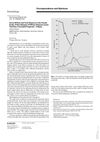
January 2003 in “Dermatology” The condition called 'acute diffuse and total alopecia of the female scalp' is actually a known condition named alopecia areata incognita.
 8 citations
,
June 2012 in “Australasian Journal of Dermatology”
8 citations
,
June 2012 in “Australasian Journal of Dermatology” A rare form of alopecia causes hair thinning without bald spots and may be more common than thought, responding well to steroid treatment.
 January 2011 in “International Journal of Trichology”
 The document concludes that doctors should recognize congenital triangular alopecia to avoid unnecessary treatments, as it does not respond to steroids like alopecia areata does.
6 citations
,
March 1996 in “Journal of Investigative Dermatology” October 2024 in “African Health Sciences” Skin lesions help identify TCM syndromes in alopecia areata.