June 2026 in “Strathprints: The University of Strathclyde institutional repository (University of Strathclyde)” Topical IKKα inhibitors may help prevent CCS tumours.
November 2023 in “Journal of Investigative Dermatology” JAK inhibitors are effective and generally safe for treating alopecia areata, but monitoring for side effects is important.
16 citations
,
August 2023 in “JAAD Case Reports” JAK inhibitors, like ruxolitinib, may effectively treat frontal fibrosing alopecia.
 May 2026 in “Frontiers in Immunology”
 Bimekizumab effectively treats scalp cellulitis and improves quality of life.
88 citations
,
August 2019 in “Frontiers in immunology” Tyrosine kinases are important in skin autoimmune diseases and could be targets for new treatments.
 1 citations
,
April 2016 in “Journal of The American Academy of Dermatology”
1 citations
,
April 2016 in “Journal of The American Academy of Dermatology” Ixekizumab helps improve life quality, physical ability, and work performance in patients with psoriatic arthritis who haven't used biologic drugs before.
7 citations
,
October 2012 in “PubMed” Triamcinolone regrows hair better but relapses more than anthralin.
 September 2023 in “Dermatology and therapy”
 Ritlecitinib effectively improves hair growth in alopecia areata patients, regardless of hair loss pattern.
 130 citations
,
February 2018 in “Journal of Investigative Dermatology”
130 citations
,
February 2018 in “Journal of Investigative Dermatology” Tofacitinib may help treat severe hair loss, but more research is needed.
July 2026 in “American Journal of Clinical Dermatology” Oral JAK inhibitors help regrow hair in alopecia areata with manageable side effects.
3 citations
,
February 2023 in “BMJ Case Reports” OnabotulinumtoxinA treatment improved hair-pulling disorder and hair regrowth in a woman with chronic migraines.
 March 2026 in “Dermatology Online Journal”
 Medicaid coverage for alopecia areata treatments is inconsistent and often limited.
 6 citations
,
April 2021 in “Frontiers in Immunology”
6 citations
,
April 2021 in “Frontiers in Immunology” A patient with lupus and long-term hair loss saw significant hair regrowth after using the drug tofacitinib.
45 citations
,
October 2018 in “JCI Insight” Entospletinib effectively prevents eye and skin GVHD in mice.
 August 2018 in “Journal of Investigative Dermatology”
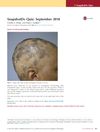
 Tofacitinib may help regrow hair in alopecia areata patients.
12 citations
,
July 2023 in “Journal of the European Academy of Dermatology and Venereology” Upadacitinib improved Crohn's disease, atopic dermatitis, and alopecia areata in one patient.
 April 2025 in “Frontiers in Immunology”
 Tofacitinib effectively regrows hair in alopecia areata but may need continuous use.
3 citations
,
June 2020 in “Journal of Dermatological Treatment” Triamcinolone acetonide is slightly more effective than betamethasone for hair regrowth in localized alopecia areata.
 December 2024 in “Clinical and Experimental Dermatology”
 Switching to ritlecitinib improves hair regrowth and well-being in severe alopecia areata patients.
March 2023 in “Epilepsia” Trilostane may help delay epilepsy development by increasing certain brain chemicals.
 April 2017 in “Journal of Investigative Dermatology”
 SIG-1451 could be a promising new treatment for atopic dermatitis.
9 citations
,
November 2022 in “Journal of Cosmetic Dermatology” Combining cryotherapy with steroids reduces keloid size more effectively than steroids alone.
355 citations
,
January 2017 in “Journal of the American Academy of Dermatology” JAK inhibitors show promise for treating skin conditions like eczema, hair loss, and psoriasis.
November 2025 in “Journal of Cutaneous Medicine and Surgery” JAK inhibitors are effective and safe for treating severe alopecia areata.
1 citations
,
September 2023 in “Journal of the American Academy of Dermatology” Ritlecitinib effectively regrows and maintains scalp, eyebrow, and eyelash hair in alopecia areata patients.
39 citations
,
September 2015 in “Clinical Therapeutics” Teriflunomide effectively reduces relapse rates and disease progression in multiple sclerosis but is not safe for use during pregnancy.
5 citations
,
February 2025 in “Pediatric Dermatology” Ritlecitinib was generally well tolerated in children with alopecia areata.
August 2021 in “The journal of investigative dermatology/Journal of investigative dermatology” TAGX-0003 protected hair follicles and reversed alopecia areata in a mouse model.
53 citations
,
July 2009 in “Cancer Research” Blocking certain proteins can reduce skin inflammation caused by cancer treatment.
1 citations
,
October 2025 in “Journal of Dermatological Treatment” Dupilumab improves eczema in Netherton Syndrome but not ichthyosis linearis circumflexa.