Search
for
Sort by
Research
600-630 / 1000+ resultsresearch Off-Label Uses of Abrocitinib: Review of Emerging Therapeutic Applications beyond Atopic Dermatitis
Abrocitinib shows promise for treating various skin conditions beyond atopic dermatitis.
research Effectiveness and Predictive Factors of Response to Tofacitinib Therapy in 125 Patients with Alopecia Areata: A Single-centre Real-world Retrospective Study
Tofacitinib is effective for treating alopecia areata, and starting treatment early may improve results.
research Possible Involvement of Skin‐Resident Memory T Cells in Refractory Chronic Alopecia Areata
Skin-resident memory T cells may contribute to chronic alopecia areata and baricitinib could be a potential treatment.
research Case report - Hair shaft normalization and hair growth in SPINK5-syndromic epidermal differentiation disorder (Netherton syndrome) while on treatment with dupilumab: a novel therapeutic approach for Trichorrhexis invaginata
Dupilumab improved hair and skin in a woman with Netherton syndrome.
research Overcoming hurdles: Side effects with old drugs and achieving success with novel drug in alopecia areata
Tofacitinib effectively regrew scalp hair in an 11-year-old girl with alopecia areata.
research Dermoscopic evaluation of therapeutic response to intralesional triamcinolone acetonide in the treatment of Alopecia areata
Intralesional triamcinolone acetonide effectively treats alopecia areata, as shown by significant improvements in hair regrowth and dermoscopic indicators.
research Emerging Topical and Systemic JAK Inhibitors in Dermatology
JAK inhibitors show promise for treating skin disorders like alopecia, eczema, and psoriasis.
research Poster Presentations
Ustekinumab successfully treated a man's resistant skin condition when other treatments failed.
research Therapeutic potential of oral tofacitinib in alopecia areata: a retrospective study
Tofacitinib is a promising and safe treatment for moderate to severe alopecia areata.
research JAK Inhibitors for Treatment of Alopecia Areata
JAK inhibitors can effectively reverse hair loss in people with alopecia areata.
research Hair whitening in a patient with psoriasis on adalimumab reversed after switching to ixekizumab
Switching from adalimumab to ixekizumab improved a patient's psoriasis and reversed hair whitening.
research Recombinant Human Annexin A5 Ameliorates Localized Scleroderma by Inhibiting the Activation of Fibroblasts and Macrophages
Recombinant Human Annexin A5 may help treat localized scleroderma by reducing skin thickening and inflammation.
research Baricitinib Attenuates IFN-γ and Polyinosinic:polycytidylic Acid‒Induced Mitochondrial Damage and Inflammasome Activation in Human Keratinocytes
Baricitinib reduces inflammation and mitochondrial damage in skin cells.
research Systemic Tofacitinib in Alopecia Areata: A Single Center Retrospective Descriptive Cohort Study
Tofacitinib effectively regrows hair in alopecia areata patients, especially in younger individuals, with manageable side effects.
research Daclizumab
Daclizumab may cause psoriasis-like skin problems in multiple sclerosis patients.
research In‐silico Screening of ATP‐competitive Inhibitory Activities of Phytochemicals against Janus Kinase 3 and Its In‐vitro Evaluation
Poncirin is a promising inhibitor of Janus Kinase 3, potentially better than tofacitinib.
research Oral Tofacitinib for the Management of Moderate to Severe Alopecia Areata in Children and Adolescents: A Retrospective Study of 36 Patients
Tofacitinib helps hair regrow in some kids with severe alopecia areata, but more research is needed on long-term effects.
research Baricitinib-Induced Trichilemmal Cyst Reactivation in a Woman With Alopecia Areata
Baricitinib may reactivate trichilemmal cysts in people with a history of these cysts.
research The Role of JAK Inhibitors in Atopic Dermatitis, Alopecia Areata, and Vitiligo: A Review article
JAK inhibitors show promise in treating skin conditions like eczema, hair loss, and vitiligo but need more safety research.
research Patient Profile and Treatment Characteristics of Early Ritlecitinib Initiators in the US
Ritlecitinib provides new treatment options for diverse alopecia areata patients.
research Dupliumab therapy for alopecia areata: a case series and review of the literature
Dupilumab may help treat alopecia areata without needing high IgE levels.
research Benefit of different concentrations of intralesional triamcinolone acetonide in alopecia areata: An intrasubject pilot study
Using 2.5 mg/mL triamcinolone acetonide is effective for hair growth in alopecia areata with fewer side effects.
research Multiple sclerosis disease-modifying therapies: adverse effect surveillance and management
The document concludes that managing side effects of MS therapies is crucial for treatment success and patient adherence.
research Alopecia induced by tumour necrosis factor-alpha antagonists: description of 52 cases and disproportionality analysis in a nationwide pharmacovigilance database
Some drugs used to treat inflammation may cause hair loss.

research Inhibition of a signaling modality within the gp130 receptor enhances tissue regeneration and mitigates osteoarthritis
Blocking a certain signal in the gp130 receptor can improve tissue healing and lessen osteoarthritis symptoms.

research Case report: Dupilumab therapy for alopecia areata in a 4-year-old patient resistant to baricitinib
Dupilumab helped a 4-year-old grow hair back after another treatment failed.
research Janus Kinase Inhibitors for Alopecia Areata
JAK inhibitors effectively improve hair regrowth in alopecia areata with an acceptable safety profile.
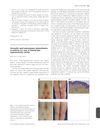
research Successful rapid subcutaneous desensitization to anakinra in a case of delayed‐type hypersensitivity reaction
A woman with a drug allergy to anakinra was successfully desensitized, allowing her to continue treatment without allergic reactions.
research 44047 Long Term Real-World Treat-to-Target Skin Clearance and Maintenance of Response with Risankizumab in Patients with Moderate to Severe Psoriasis From the CorEvitas Psoriasis Registry
Risankizumab effectively treats and maintains skin clearance in moderate-to-severe psoriasis.