48 citations
,
July 2023 in “Pediatric Dermatology” Ritlecitinib effectively regrows hair in adolescents with alopecia areata and is safe.
19 citations
,
March 2022 in “Journal of Infection” Canakinumab's effect on COVID-19 outcomes is unclear.
 19 citations
,
January 2018 in “Acta dermato-venereologica”
19 citations
,
January 2018 in “Acta dermato-venereologica” People with alopecia areata have higher levels of a heart disease marker than those without hair loss.
10 citations
,
February 2023 in “Archives of Dermatological Research” Alopecia areata is more common in Black and Hispanic people but less diagnosed in those with lower socioeconomic status.
7 citations
,
October 2024 in “Journal of the American Academy of Dermatology” Continued ritlecitinib treatment helps sustain hair regrowth in alopecia areata patients.
7 citations
,
April 2021 in “Journal of Lower Genital Tract Disease” Erosive lichen sclerosus is a distinct subtype with specific skin features, and treatment led to complete resolution in half of the cases.
7 citations
,
December 2015 in “PloS one” Cryopreserved mouse whisker follicles can grow hair when transplanted into nude mice.
5 citations
,
July 2022 in “International Journal of Trichology” Higher doses and longer use of isotretinoin may increase hair loss risk.
 4 citations
,
February 2022 in “International Journal of Dermatology”
4 citations
,
February 2022 in “International Journal of Dermatology” Porocarcinoma generally has low rates of recurrence, spread to lymph nodes, and death.
4 citations
,
January 2019 in “Open Access Macedonian Journal of Medical Sciences” Oral mini-pulse methylprednisolone is an effective and safe treatment for alopecia areata.
 3 citations
,
September 2024 in “Dermatology and Therapy”
3 citations
,
September 2024 in “Dermatology and Therapy” Previous alopecia areata treatments do not affect the long-term effectiveness of ritlecitinib.
2 citations
,
May 2025 in “The Journal of Dermatology” Alopecia areata causes significant stigma and emotional distress, with many affected individuals not receiving adequate support or treatment.
 2 citations
,
April 2025 in “Dermatology and Therapy”
2 citations
,
April 2025 in “Dermatology and Therapy” Alopecia areata affects quality of life more in adolescents than adults.
 1 citations
,
July 2025 in “SKIN The Journal of Cutaneous Medicine”
1 citations
,
July 2025 in “SKIN The Journal of Cutaneous Medicine” Ritlecitinib is effective and safe for long-term treatment of alopecia areata.
1 citations
,
November 2023 in “SKIN The Journal of Cutaneous Medicine” 1 citations
,
September 2023 in “Journal of the American Academy of Dermatology” Ritlecitinib effectively regrows and maintains scalp, eyebrow, and eyelash hair in alopecia areata patients.
1 citations
,
January 2021 Platelet-rich fibrin matrix improves tissue regeneration better than platelet-rich plasma.
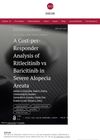
June 2026 in “Journal of health economics and outcomes research” Ritlecitinib is more effective and cheaper than baricitinib for treating severe alopecia areata.
 June 2026 in “Journal of health economics and outcomes research”
 Ritlecitinib is more effective and cost-efficient than baricitinib for severe alopecia areata.
 March 2026 in “American Journal of Clinical Dermatology”
 Ritlecitinib is effective and safe for long-term use in treating severe alopecia areata in people aged 12 and older.
March 2026 in “SKIN The Journal of Cutaneous Medicine” Ritlecitinib is being tested for safety and effectiveness in young children with severe alopecia areata.
November 2025 in “SKIN The Journal of Cutaneous Medicine” Ritlecitinib is generally safe for adolescents with alopecia areata over 5 years.
November 2025 in “SKIN The Journal of Cutaneous Medicine” Ritlecitinib 50 mg effectively promotes and sustains hair regrowth in alopecia areata patients.
November 2025 in “SKIN The Journal of Cutaneous Medicine” Ritlecitinib is effective long-term for treating alopecia areata in teens.
October 2025 in “Journal of the Endocrine Society” A rare pituitary tumor in an 18-year-old male caused hormonal issues and vision loss, requiring surgery and further treatment.
September 2025 in “Healthcare” SSRIs may help manage sexual behavior in dementia patients, but they can cause long-lasting sexual dysfunction.
August 2025 in “Clinical and Experimental Dermatology” Alopecia areata treatments often don't lead to lasting improvement.
July 2025 in “SKIN The Journal of Cutaneous Medicine” Most patients with alopecia areata see significant hair regrowth within 93 days of starting ritlecitinib treatment.
May 2025 in “Tropical Natural History” Zingiber junceum Gagnep. is now found in Vietnam and contains various bioactive compounds.
March 2025 in “Dermatology” Systemic therapies improve nail psoriasis but have high side effects; more research is needed.