 January 2026 in “Frontiers in Pharmacology”
 Cedrol may help treat inflammatory bowel disease by improving gut health and function.
 December 2025 in “Journal of Ovarian Research”
 Vitamin B6 may help activate dormant follicles.
 November 2025 in “Communications Biology”
 Human hair contains many different molecules that change along its length, influenced by personal care products.
 November 2025 in “Frontiers in Immunology”
 Immune cells are crucial for normal skin development and their dysfunction can cause skin disorders.
 November 2025 in “Repositorio Comunidad Politecnico Grancolombiano”
 Milagros enterprise Group S.A.S. plans to expand globally by exporting its Professional Intensive Repair Mask to Mexico, France, and the U.S.
 November 2025 in “Frontiers in Endocrinology”
 Apigenin and ellagic acid may help manage PCOS symptoms.
 September 2025 in “Turkish Journal of Dermatology”
 Oxidative stress may play a role in alopecia areata, but depression and suicide risk are similar to healthy peers.
 August 2025 in “Frontiers in Pharmacology”
 [6]-Gingerdiol 3-monoacetate shows promise for treating T. whipplei infections.
 June 2025 in “International Journal of Nephrology and Renovascular Disease”
 PLA2R1 overexpression harms kidney cells by stopping their growth cycle.
 January 2025 in “The Pharma Innovation”
 Nanospanlastic vesicles can improve glaucoma treatment by enhancing drug delivery to the eye.
 January 2025 in “Epsilon Archive for Student Projects (University of Southampton)”
 Mange and orf are present in some goat herds in Zambia, but more research is needed.

The new minoxidil gel may improve hair loss treatment by staying on the scalp longer and penetrating better.
 November 2024 in “Communities in ADDI (University of the Basque Country)”
 Antisense oligonucleotides show promise for treating Myotonic Dystrophy type I.

Dexamethasone-primed stem cell media shows promise in treating lupus by reducing symptoms and inflammation.
 January 2024 in “PloS one”
 Rat hair-follicle stem cells can become heart cells with specific supplements.
 January 2024 in “Surgical & Cosmetic Dermatology”
 Exosomes may help treat skin diseases and improve skin rejuvenation.
 August 2023 in “Scientific reports”
 Human stem cells were turned into cells similar to those that help grow hair and showed potential for hair follicle formation.

Human hair keratins can be turned into useful 3D biomedical scaffolds through a freeze-thaw process.
 November 2021 in “Research Square (Research Square)”
 MRI can enhance the quality and effectiveness of certain stem cells.
 April 2021 in “Journal of Law Public Policies and Human Sciences”
 The described COVID-19 treatments seemed effective in influencing the disease's course, duration, and severity.

Plant roots respond to fungus smells by possibly using certain proteins and a plant hormone to change root growth, but more research is needed.

Human hair keratins can self-assemble and support cell growth, useful for biomedical applications.
 December 2019 in “University of Malaya Students Repository”
 Mimosine from Leucaena leucocephala can enhance biodiesel stability.

L-PGDS has specific binding sites for its functions and could help in drug delivery system design.
 September 2018 in “Epsilon Archive for Student Projects (University of Southampton)”
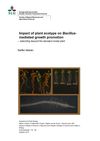
 Bacillus amyloliquefaciens can boost root hair growth in some Arabidopsis plants, potentially improving agriculture.
 January 2018 in “Stem cells in clinical applications”
 Exosomes show promise for tissue repair and regeneration with advantages over traditional cell therapies.
 December 2016 in “University of Birmingham Institutional Research Archive (University of Birmingham)”
 Steroid-producing capabilities in certain cancers may contribute to treatment resistance.

Skin stem cells are crucial for maintaining and repairing skin, with potential for treating skin disorders and improving wound healing.

Glycyrrhizic acid and licorice extract can significantly reduce unwanted hair growth.
 December 2015 in “University of Birmingham Institutional Research Archive (University of Birmingham)”
 AKR1C3 could be a treatment target for metabolic issues in PCOS.