 9 citations
,
June 2021 in “International Journal of Pharmaceutics”
9 citations
,
June 2021 in “International Journal of Pharmaceutics” Using polymeric micelles to deliver spironolactone topically could improve wound healing in skin affected by glucocorticoids.
 8 citations
,
December 2021 in “Military Medical Science Letters”
8 citations
,
December 2021 in “Military Medical Science Letters” Nanoemulgel is a promising method for delivering drugs, especially for those that don't dissolve well in water.
 8 citations
,
October 2020 in “Pharmaceutics”
8 citations
,
October 2020 in “Pharmaceutics” Dutasteride-loaded nanoparticles coated with Lauric Acid-Chitosan show promise for treating hair loss due to their controlled release, low toxicity, and potential to stimulate hair growth.
 7 citations
,
October 2024 in “AAPS PharmSciTech”
7 citations
,
October 2024 in “AAPS PharmSciTech” CA-SLN-Ngel significantly reduces cellulite more effectively than regular caffeine gel.
 5 citations
,
August 2025 in “Drug Delivery and Translational Research”
5 citations
,
August 2025 in “Drug Delivery and Translational Research” Lipid-polymer hybrid nanoparticles show promise for skin treatments but need better formulation strategies.
 4 citations
,
December 2009 in “Elsevier eBooks”
4 citations
,
December 2009 in “Elsevier eBooks” Breadfruit is nutritious and has potential health and medicinal benefits, but is currently underused.
 3 citations
,
April 2019 in “Journal of Dermatological Treatment”
3 citations
,
April 2019 in “Journal of Dermatological Treatment” Caffeine shows promise for treating some types of hair loss, but more research is needed.
 1 citations
,
September 2025 in “Scientific Reports”
1 citations
,
September 2025 in “Scientific Reports” The new gel improves treatment of tough skin infections.
 June 2026 in “Discover Nano”
 Lipid nanocarriers could effectively promote hair regrowth with fewer side effects.
 June 2026 in “International Journal of Drug Delivery Technology”
 Herbal remedies show promise for managing premature hair greying but need more research.
 May 2026 in “Commagene Journal of Biology”
 Anti-aging peptides can improve skin appearance but need better delivery methods and more research.

Azelaic acid helps with skin pigmentation issues, but its full effects are not completely understood.
 October 2024 in “International Journal of Pharmaceutical Sciences Review and Research”
 A 5% minoxidil spray could effectively treat male baldness with fewer side effects and better patient comfort.
 March 2024 in “Bioimpacts”
 400 nm particles penetrate hair follicles best, but mouse models aren't fully reliable for human studies.
 January 2023 in “International Journal of Pharmaceutical and Clinical Research”
 Follicular targeting could improve hirsutism treatment by focusing directly on hair follicles.
 March 2022 in “International journal of biology, pharmacy and allied sciences”
 Ayurvedic treatment with local herbal applications successfully regrew hair in a patient with alopecia areata.
 22 citations
,
March 1963 in “Archives of dermatology”
22 citations
,
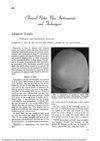
March 1963 in “Archives of dermatology” A woman regrew her hair significantly using a corticosteroid cream with a plastic cover.
 16 citations
,
November 2020 in “International journal of pharmaceutics”
16 citations
,
November 2020 in “International journal of pharmaceutics” Using longer PEG chains helps nanoparticles penetrate hair follicles better, improving drug delivery for conditions like alopecia.
 3 citations
,
October 2024 in “World Journal of Advanced Research and Reviews”
3 citations
,
October 2024 in “World Journal of Advanced Research and Reviews” Silver nanoparticles are useful in medicine and technology for their antibacterial properties and potential in drug delivery and dentistry.
 November 2024 in “International Journal of Research and Review”
 Nanotechnology improves cosmetics by enhancing ingredient delivery and effectiveness.

Proretinal nanoparticles are a safe and effective way to deliver retinal to the skin.
 76 citations
,
March 2005 in “Journal of Molecular Medicine”
76 citations
,
March 2005 in “Journal of Molecular Medicine” Certain mice without specific receptors or mast cells don't lose hair from stress.
110 citations
,
January 2014 in “Journal of Controlled Release” Phospholipid-coated nanoparticles penetrate hair follicles better than others, especially in pig ears.
405 citations
,
January 2004 in “Journal of Investigative Dermatology” Hair follicle size and distribution vary significantly across different body sites.
365 citations
,
March 2021 in “Frontiers in Bioengineering and Biotechnology” Nanocarriers can improve drug delivery through the skin by overcoming barriers.
29 citations
,
May 2007 in “International journal of pharmaceutics” Different compounds move through artificial sebum at different rates, which can help choose the best ones for targeting hair follicles.
21 citations
,
November 2020 in “European Journal of Pharmaceutics and Biopharmaceutics” Low-frequency skin massage helps nanoparticles penetrate hair follicles better.
 19 citations
,
May 2021 in “Clinical, Cosmetic and Investigational Dermatology”
19 citations
,
May 2021 in “Clinical, Cosmetic and Investigational Dermatology” Minoxidil and finasteride are the best for non-scarring hair loss; more research is needed for scarring hair loss treatments.
9 citations
,
January 2016 in “Journal of Controlled Release” Local hypobaric pressure can significantly improve drug delivery through the skin.
 January 2024 in “Skin appendage disorders”
 Environmental pollutants can damage hair health and cause hair loss.