47 citations
,
June 2013 in “Biology of blood and marrow transplantation” Mice with human fetal thymic tissue and stem cells developed symptoms similar to chronic graft-versus-host disease.
3 citations
,
February 2001 in “Infectious Diseases in Clinical Practice” Hair transplants can lead to serious infections, so avoid corticosteroids and ensure clean, well-managed wounds.
 9 citations
,
December 1984 in “The Journal of Dermatologic Surgery and Oncology”
9 citations
,
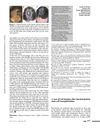
December 1984 in “The Journal of Dermatologic Surgery and Oncology” Layered suture closure for hair transplant donor sites results in smaller scars and easier future harvesting but takes more time and may temporarily increase hair shedding.
 May 2018 in “European Journal of Dermatology”
 Adjusting the medication tacrolimus resolved a boy's red nail beds after a stem cell transplant.
PRP can help regrow hair and improve hair transplant results.
1 citations
,
January 2021 in “SSRN Electronic Journal” Transplanted hair follicles can improve and remodel mature scars.

The device applies substances directly to body tissues, improving cell transplant and treatment processes.
29 citations
,
September 2019 in “Stem Cells International” The PRF/micrograft spray-on skin method effectively healed massive and chronic burns quickly.
2 citations
,
September 2017 Hair and scalp diseases can affect hair transplant success in Asians, and managing them is crucial.
30 citations
,
August 2004 in “British Journal of Plastic Surgery” Chest hair can be successfully used for scalp hair transplants, growing longer like scalp hair.
January 2026 in “Advanced Healthcare Materials” The new bioreactor improves skin grafts by evenly stretching cells and monitoring conditions for better growth.
21 citations
,
April 2021 in “Biofabrication” The study created a skin model with realistic blood vessels that improves skin grafts and testing for drug delivery.
 31 citations
,
January 2021 in “Experimental Dermatology”
31 citations
,
January 2021 in “Experimental Dermatology” Skin organoids are a promising new model for studying human skin development and testing treatments.
 2 citations
,
May 2010 in “Hair transplant forum international”
2 citations
,
May 2010 in “Hair transplant forum international” Different hair restoration techniques like follicular unit extraction, scalp reduction, and body hair transplantation can improve results for patients unhappy with their initial surgery, but they also have potential risks.
 November 2022 in “Journal of Investigative Dermatology”
 Human-induced stem cell-created skin models can help understand skin diseases by studying the skin's layers.
 6 citations
,
July 2011 in “Journal of Plastic Reconstructive and Aesthetic Surgery”
6 citations
,
July 2011 in “Journal of Plastic Reconstructive and Aesthetic Surgery” Eyebrow reconstruction using hair follicle grafts was successful in a man with a benign hereditary disorder affecting his eyebrows.
 13 citations
,
July 2012 in “Dermatologic Surgery”
13 citations
,
July 2012 in “Dermatologic Surgery” Platelet-rich plasma (PRP) may help promote hair growth and improve graft survival after hair transplantation, but more research is needed to confirm its effectiveness and determine the best dosage.
 March 2026 in “Dermatologic Surgery”
 Platelet-rich plasma speeds up wound healing after hair transplant surgery.
 January 2022 in “Journal of Orthopedic Practice”
 The modified skin board with channels improves skin graft knife performance.
10 citations
,
January 2015 in “PubMed” 
Non-transplantation methods can effectively restore hair.
 1 citations
,
April 2022 in “Dermatologic Surgery”
1 citations
,
April 2022 in “Dermatologic Surgery” The Progressive Loss Risk Scale is a system that shows the long-term risks of hair restoration surgery, which can change based on factors like age and transplant area.
 August 2009 in “Journal of Oral and Maxillofacial Surgery”
 Hair transplantation and micrografting are effective for cosmetic facial enhancement, requiring careful technique and postoperative care for successful outcomes.
January 2006 in “Zhongguo bingli shengli zazhi” Murine epidermal stem cells can develop into skin structures without rejection when implanted.
 1 citations
,
October 2021 in “Indian Journal of Plastic Surgery”
1 citations
,
October 2021 in “Indian Journal of Plastic Surgery” Hair transplant surgery in India has progressed from plugs and flaps to advanced techniques using micrografts and follicular unit extraction.
July 2005 in “Hair transplant forum international” July 2026 in “Acta Biomaterialia” A method was developed to create early-stage hair structures in lab-grown skin.
 1 citations
,
July 1999 in “Plastic and Reconstructive Surgery”
1 citations
,
July 1999 in “Plastic and Reconstructive Surgery” The article discusses how to fix bad results from hair restoration surgery, with different doctors suggesting methods like adding more grafts, moving transplanted hair, or using smaller grafts.
 November 2023 in “Journal of cosmetic dermatology”
 Fat transplants using a patient's own fat can rejuvenate and repair tissues effectively.
September 2016 in “Journal of dermatological science” Human induced pluripotent stem cells can be used to create cells that help grow hair.