 September 2024 in “Journal of the American Academy of Dermatology”
 The compounded topical solution is safe, stable, and effective for personalized alopecia treatment.
 September 2022 in “Medical Mycology”
 Three different methods were compared for creating Titan cells, a type of fungus cell. The OZ method made the most cells initially, but the number dropped quickly. The EB method also made a lot of cells, but the number also dropped. The AA method made fewer cells, but the number stayed steady. The methods also affected which genes were active in the cells.
 10 citations
,
January 2011 in “Case reports in dermatological medicine”
10 citations
,
January 2011 in “Case reports in dermatological medicine” Hair transplant surgery effectively treated a specific type of hair loss and is recommended as a primary treatment option.
9 citations
,
April 2024 in “The Oncologist” Sacituzumab govitecan improves quality of life and symptoms in breast cancer patients, except for causing more diarrhea.
18 citations
,
November 2016 in “Transgenic research” Overexpressing Tβ4 in cashmere goats improves hair fiber traits and increases cashmere yield.
3 citations
,
January 2018 in “Frontiers in bioscience” Daily subcutaneous testosterone effectively restores testosterone levels in men.
11 citations
,
March 2002 in “Pediatric Dermatology” Temporal triangular alopecia is a non-scarring hair loss seen in some Asian children.
 4 citations
,
January 2001 in “Archives of Biochemistry and Biophysics”
4 citations
,
January 2001 in “Archives of Biochemistry and Biophysics” Activated ras can protect kidney cells from a certain substance that causes cell death.
6 citations
,
July 1994 in “Journal of Dermatological Science” Introducing the rat OTC gene normalized hair growth in SPF-ASH mice.
January 2025 in “Open Veterinary Journal” PRP with TM bio-dressing improves skin graft healing in cats.
 6 citations
,
January 2019 in “Dermatology Research and Practice”
6 citations
,
January 2019 in “Dermatology Research and Practice” Many survivors of Stevens-Johnson Syndrome and Toxic Epidermal Necrolysis in Togo suffer long-term eye and skin problems.
9 citations
,
May 2014 in “Clinical Cosmetic and Investigational Dermatology” Using tazarotene with GliSODin improves facial skin more than tazarotene alone.
 23 citations
,
September 2009 in “Child Abuse & Neglect”
23 citations
,
September 2009 in “Child Abuse & Neglect” Checking family social conditions in tourniquet syndrome cases can help find neglect.
 193 citations
,
February 2015 in “Nature Communications”
193 citations
,
February 2015 in “Nature Communications” Fungi-produced compounds can change plant root growth.
50 citations
,
September 1998 in “Ecotoxicology and Environmental Safety” High thallium contamination severely harms small mammal populations, causing health issues and low population density.
15 citations
,
August 2011 in “Lasers in medical science” The 755-nm alexandrite laser effectively and quickly treats trichostasis spinulosa with minimal pain and no side effects.
 April 2012 in “Informa Healthcare eBooks”
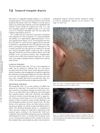
 Temporal triangular alopecia is a lifelong condition with hairless patches on the side of the head that may be present from birth.
 1 citations
,
April 2020 in “medRxiv (Cold Spring Harbor Laboratory)”
1 citations
,
April 2020 in “medRxiv (Cold Spring Harbor Laboratory)” The study found that Tourette Syndrome may be linked to certain immune system processes and synaptic signaling.
 28 citations
,
October 1992 in “JEADV. Journal of the European Academy of Dermatology and Venereology/Journal of the European Academy of Dermatology and Venereology”
28 citations
,
October 1992 in “JEADV. Journal of the European Academy of Dermatology and Venereology/Journal of the European Academy of Dermatology and Venereology” SIP is a better method for measuring hair growth accurately.
45 citations
,
August 2023 in “Trends in Cell Biology” Controlling cellular changes can enable safe rejuvenation without cancer risk.
26 citations
,
February 2021 in “FEBS Journal” Targeting regulatory T cells may help treat age-related diseases.
 November 2024 in “Experimental Dermatology”
 SKO-derived SKP-like cells may help with hair regeneration and skin restoration.
147 citations
,
August 2005 in “The Plant Cell” The TIP1 gene is crucial for normal plant cell growth in Arabidopsis.
A new mutation in the TRPS1 gene caused Trichorhinophalangeal syndrome in a 17-year-old, highlighting the need for genetic testing.
 1 citations
,
September 2024 in “Indian Journal of Postgraduate Dermatology”
1 citations
,
September 2024 in “Indian Journal of Postgraduate Dermatology” Trichoscopy effectively diagnoses temporal triangular alopecia in children.
 10 citations
,
May 2019 in “BMC Complementary and Alternative Medicine”
10 citations
,
May 2019 in “BMC Complementary and Alternative Medicine” The extract from Bacillus/Trapa japonica fruit helps increase hair growth and could be a potential treatment for hair loss.
1 citations
,
January 2024 in “Pharmaceuticals” A new carrier improves skin delivery of tofacitinib for treating inflammatory skin diseases.
1 citations
,
January 2008 January 2006 in “OpenCommons at University of Connecticut (University of Connecticut)” Overexpressing AVP1 and AtNHX1 in plants improves salt tolerance and root hair development.
1 citations
,
January 1989 in “Carcinogenesis” Dexamethasone reduces inflammation and delays skin cell changes caused by TPA.